The Muwekma Newsletter
Environment · Land · Law · Culture — Bay Area journalism from the Muwekma Ohlone Preservation Foundation
In twelve months, the Muwekma Ohlone Tribe raised its flag at San José City Hall, lit its first cultural burn in nearly 150 years, won state funding to buy about 154 acres of its homeland, and testified at the Capitol. Here is the year, month by month.
Latest
In twelve months, the Muwekma Ohlone Tribe raised its flag at San José City Hall, lit its first cultural burn in nearly 150 years, won state funding to buy about 154 acres of its homeland, and testified at the Capitol. Here is the year, month by month.
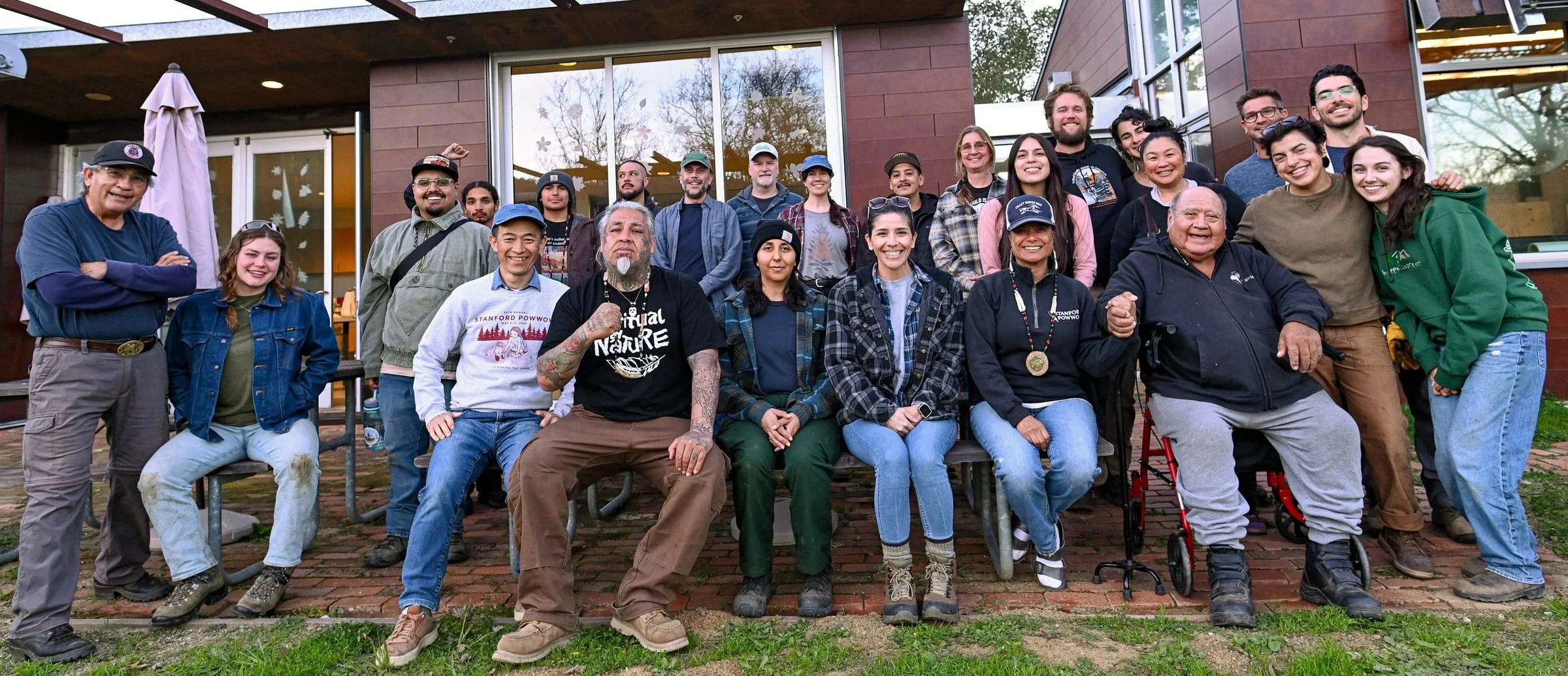
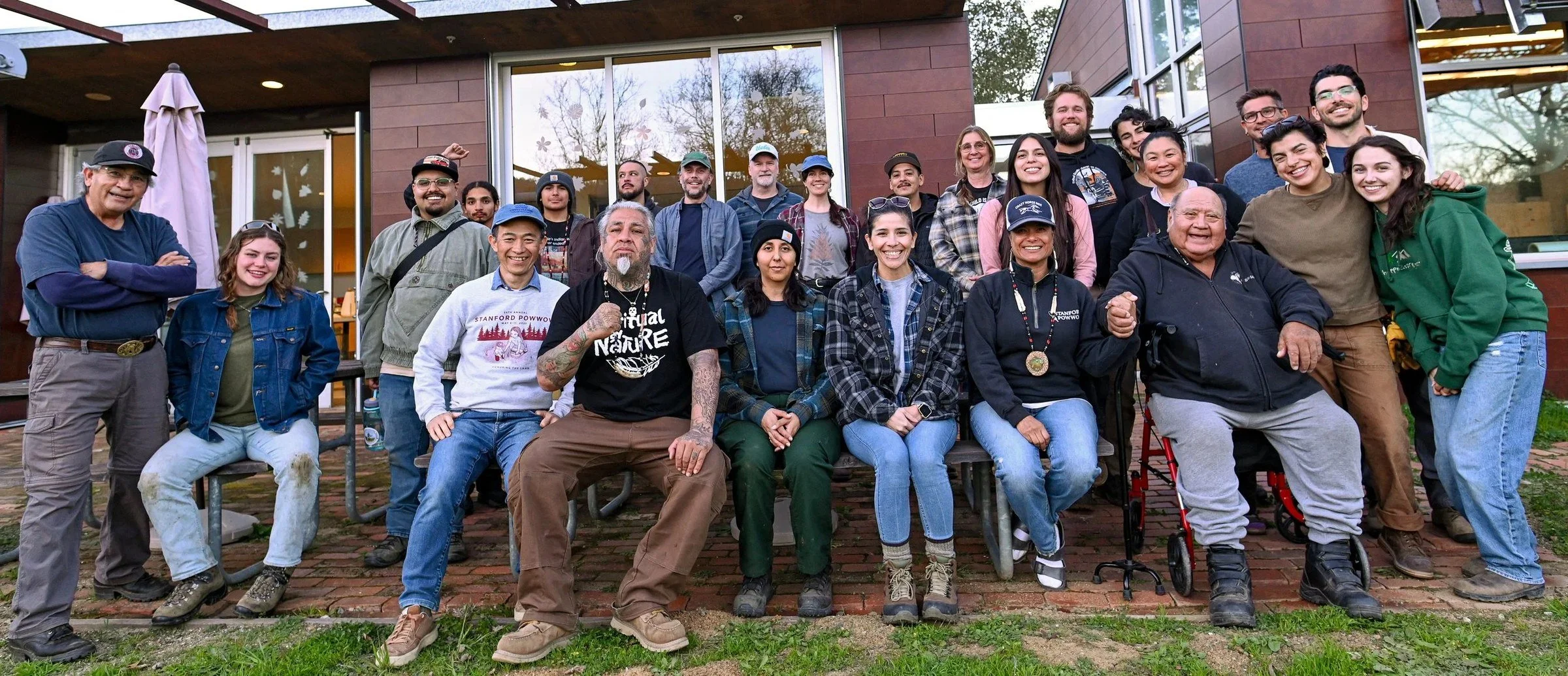
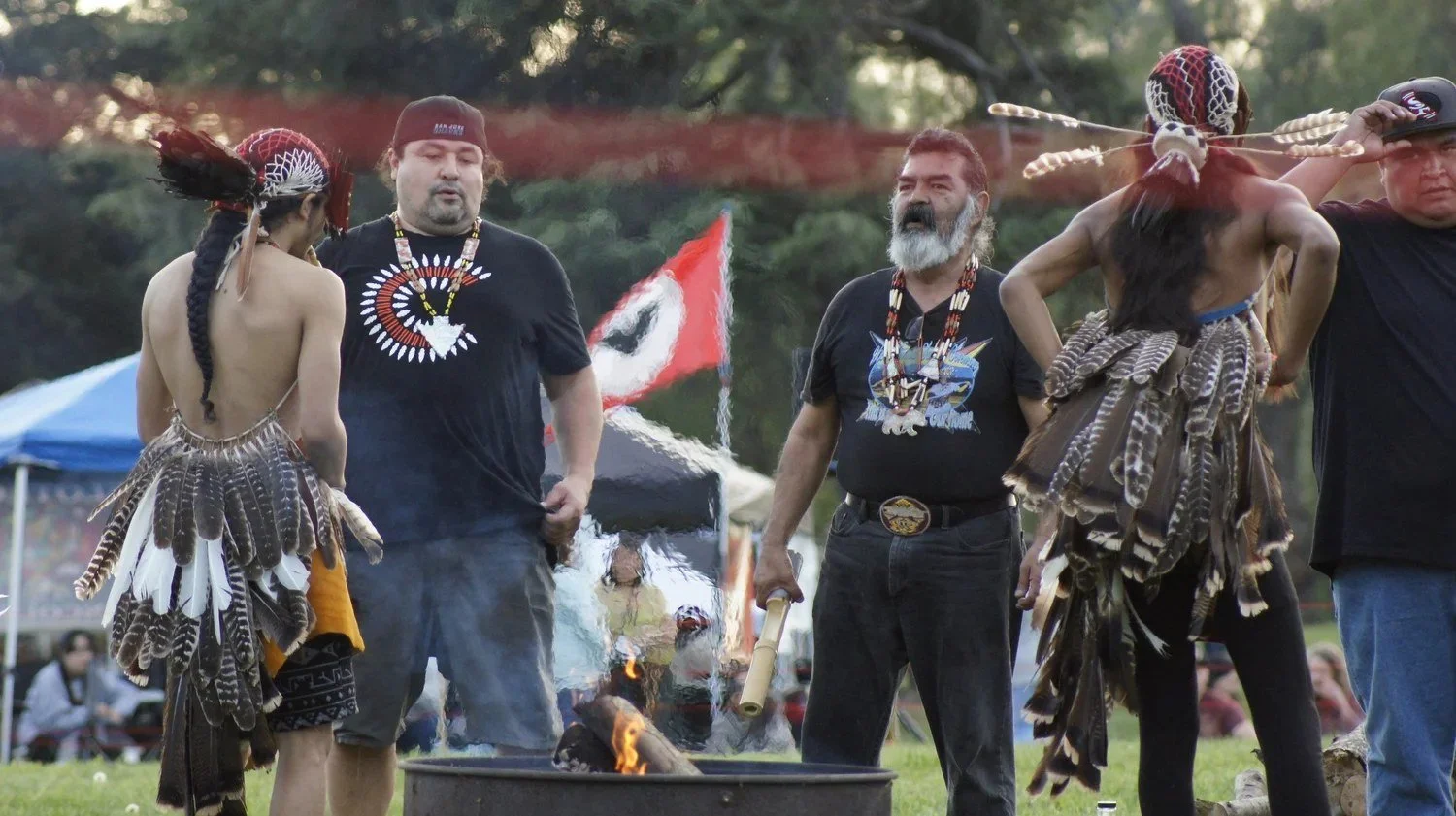
In January, on a Stanford preserve in the Santa Cruz foothills, the Muwekma Ohlone Tribe lit its first cultural burn in nearly a century and a half. Nine months later, the science is in print, and California is still deciding who gets to carry the fire.
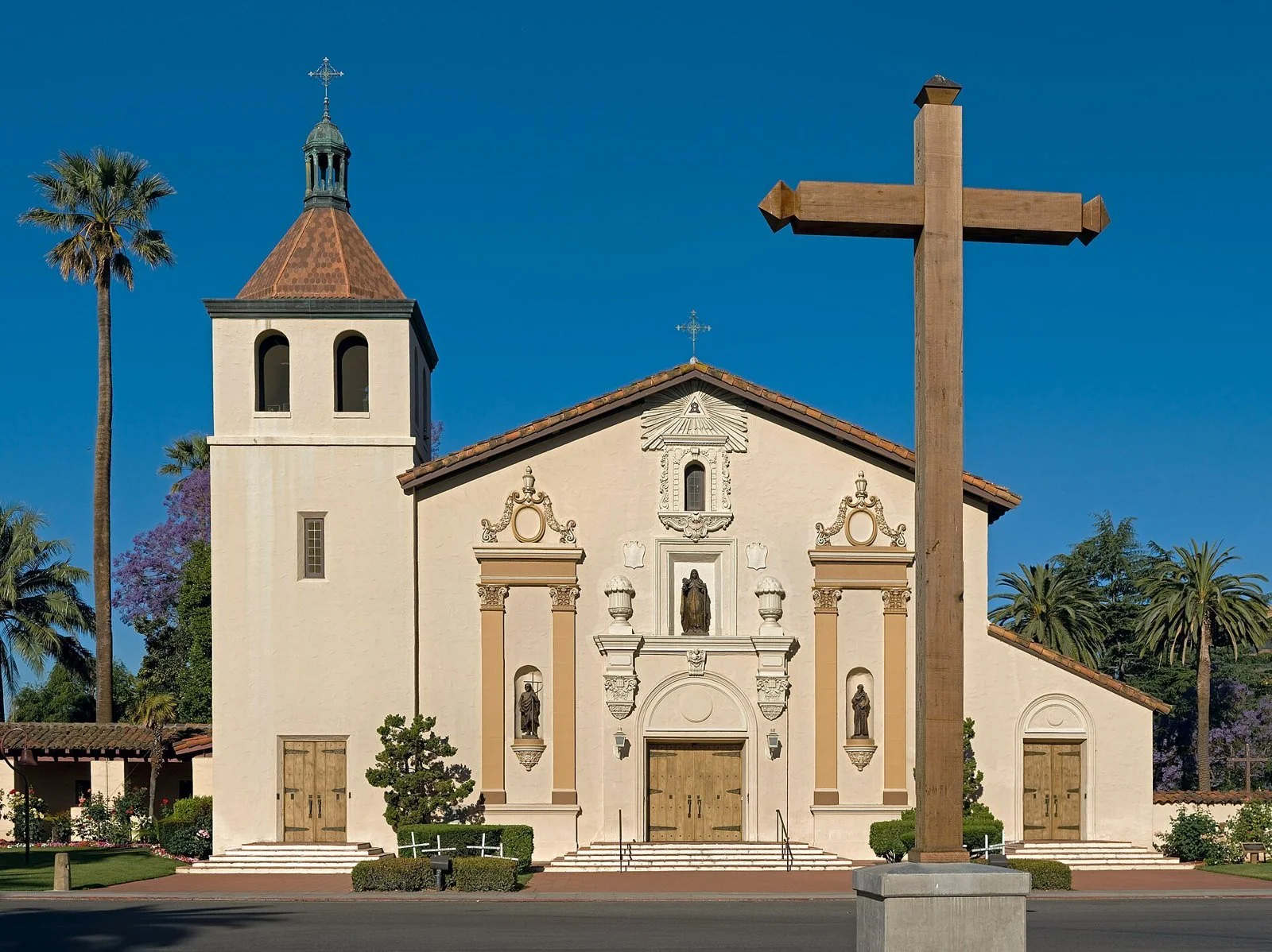
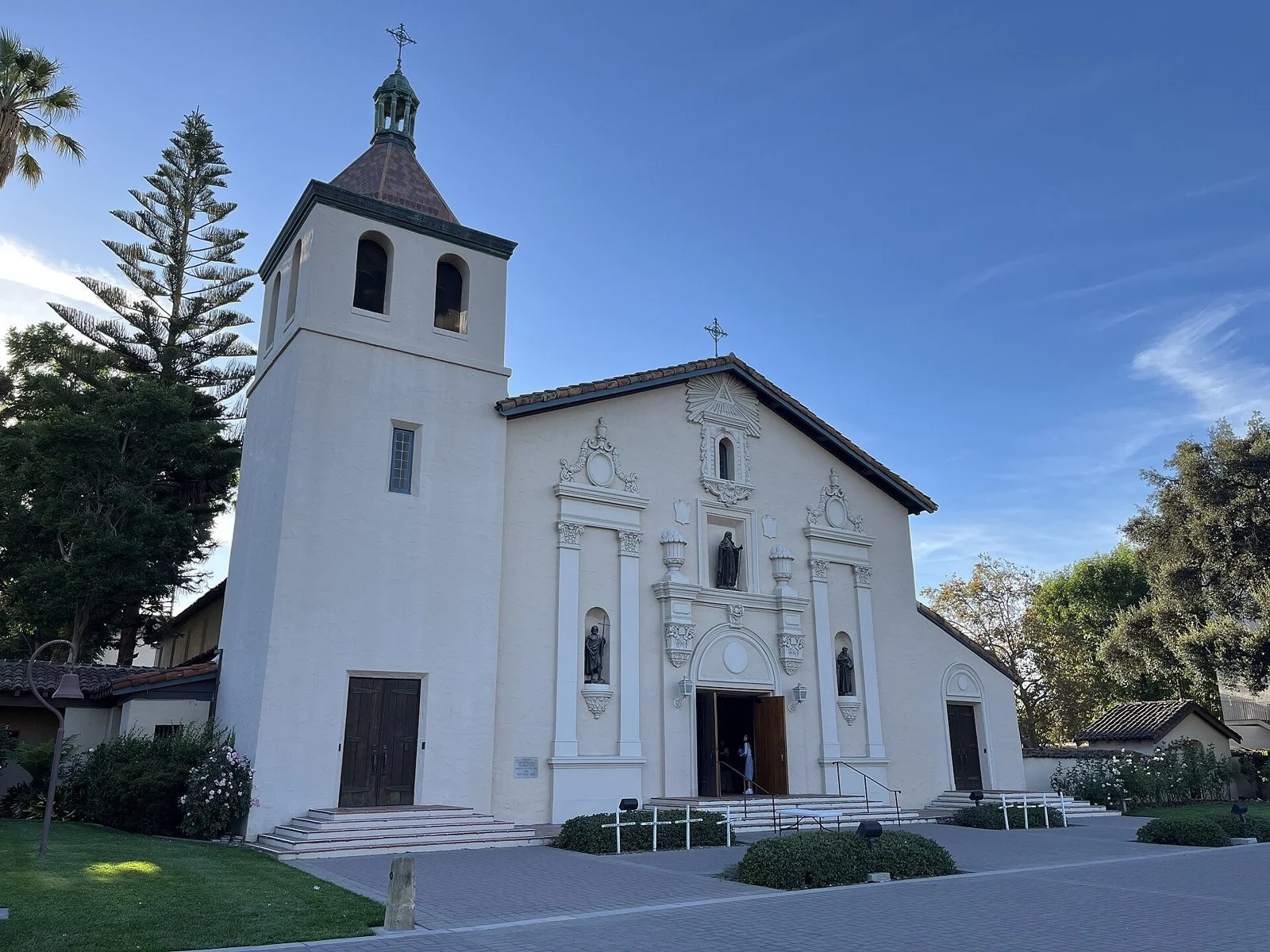
Before sunrise on Indigenous Peoples’ Day, Muwekma dancers and singers gathered in front of the Mission Church at Santa Clara University. The day, ÓTTÓY RÓOTE HUŠÍŠTAK, opened the mission’s 250th-anniversary year by starting with the time before the mission.
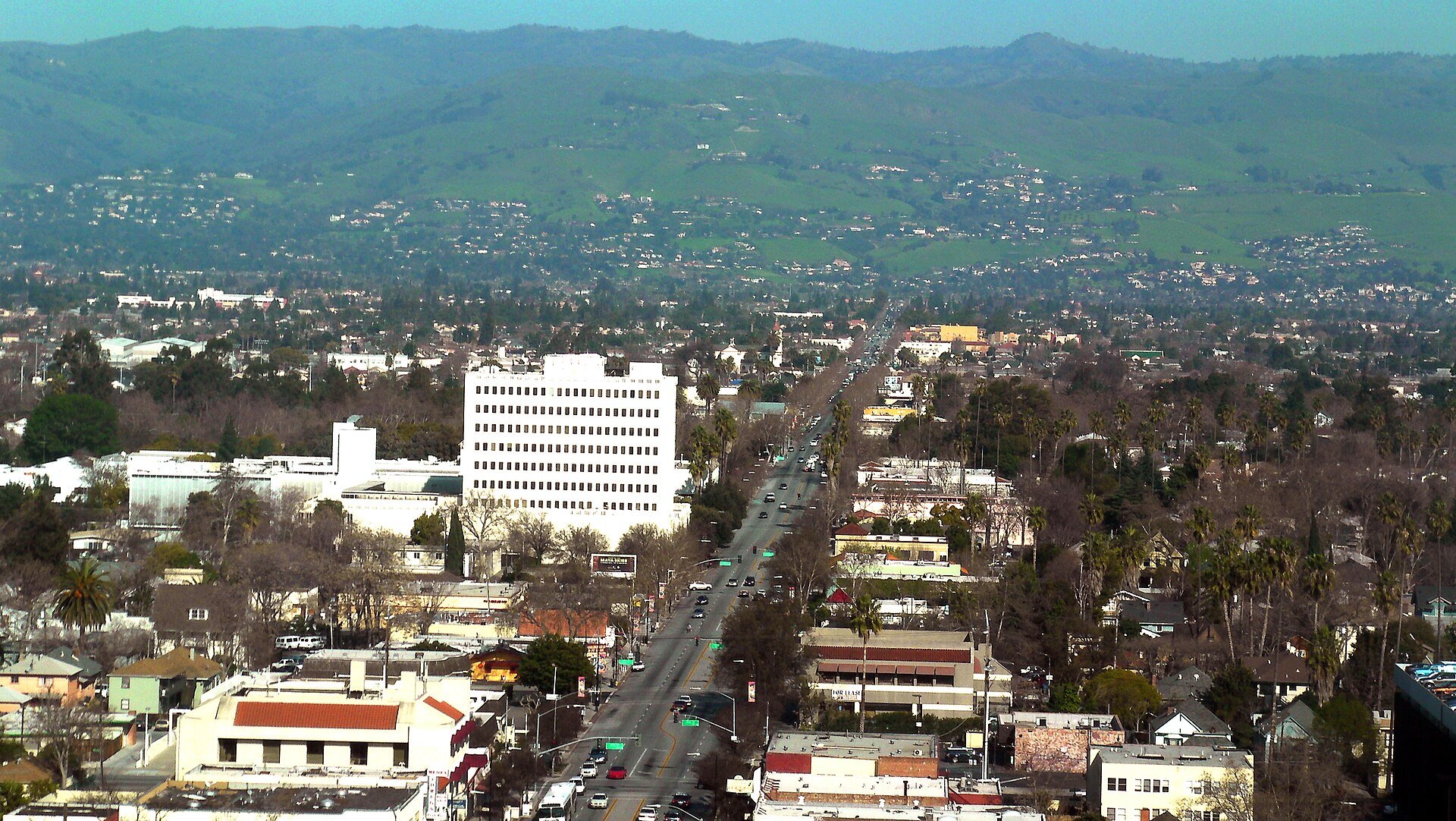
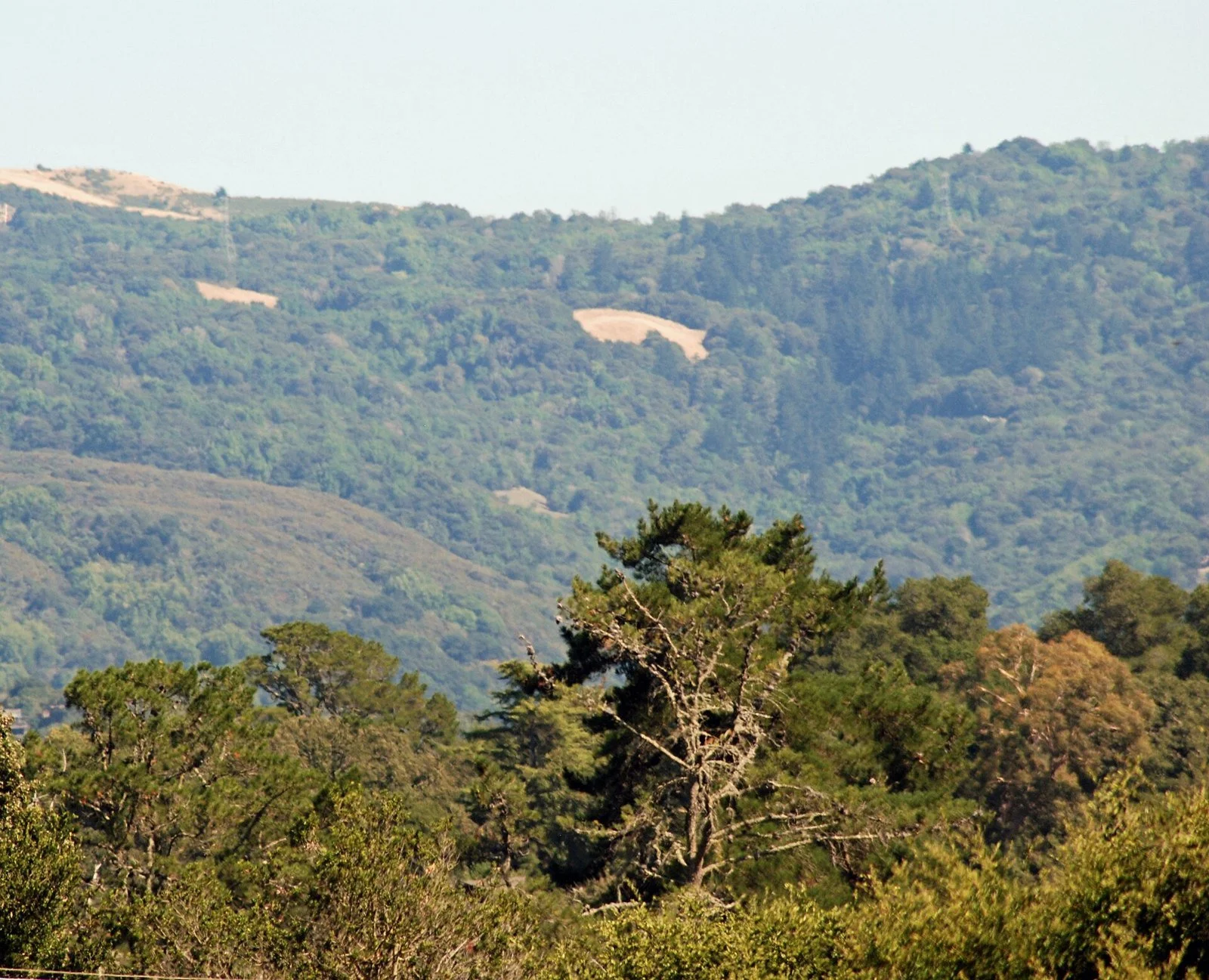
For generations, the first people of the Bay Area held no land of their own in their homeland. In August 2026, that changed. The Tribe announced that about 150 acres of grassland in the hills above East San José had come home.
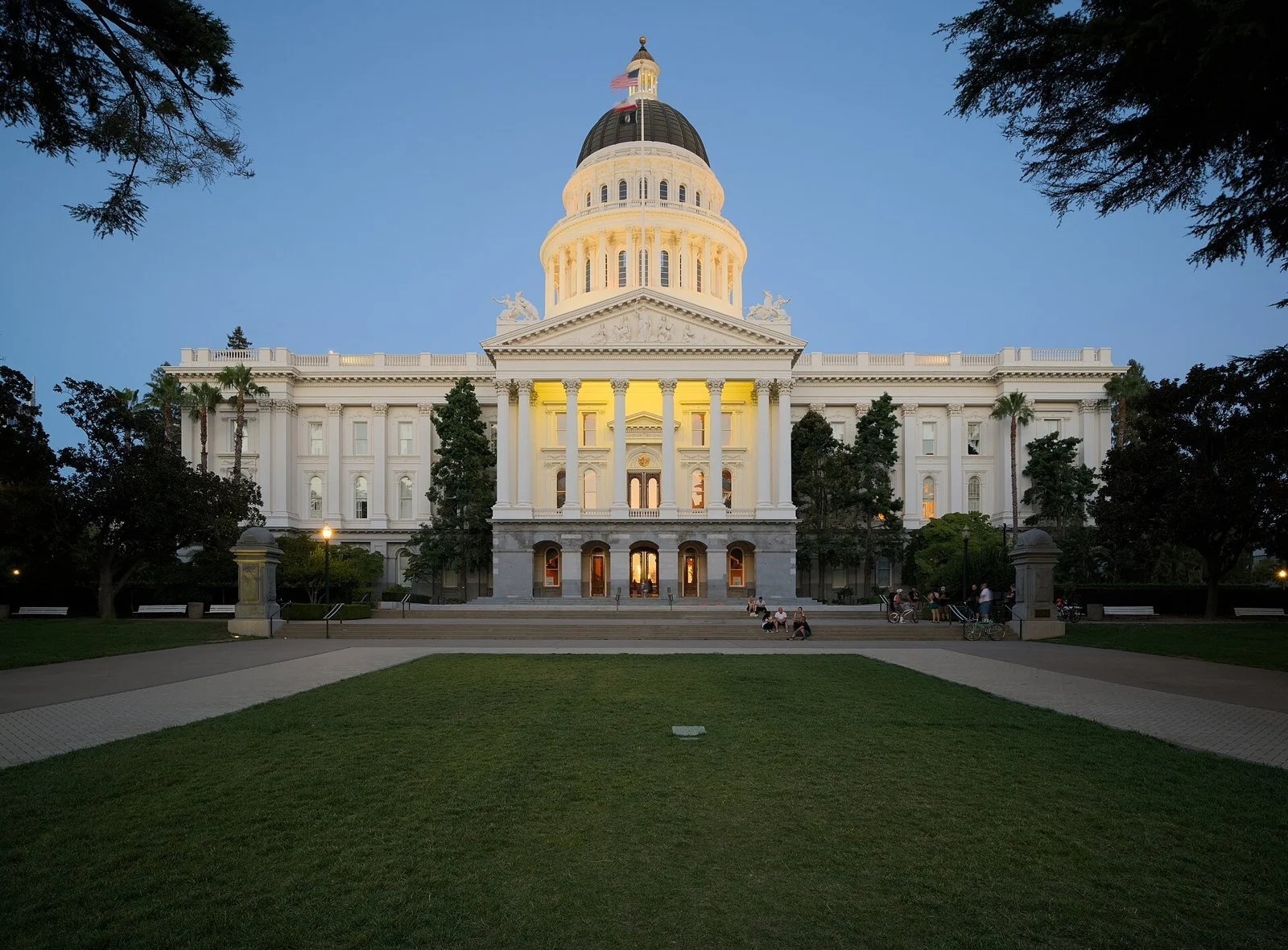
In Sacramento last August, state auditors told lawmakers the University of California could take until 2089 to return what it holds. Then the Muwekma Ohlone chairwoman stood up with the next generation behind her and told them what it would take.
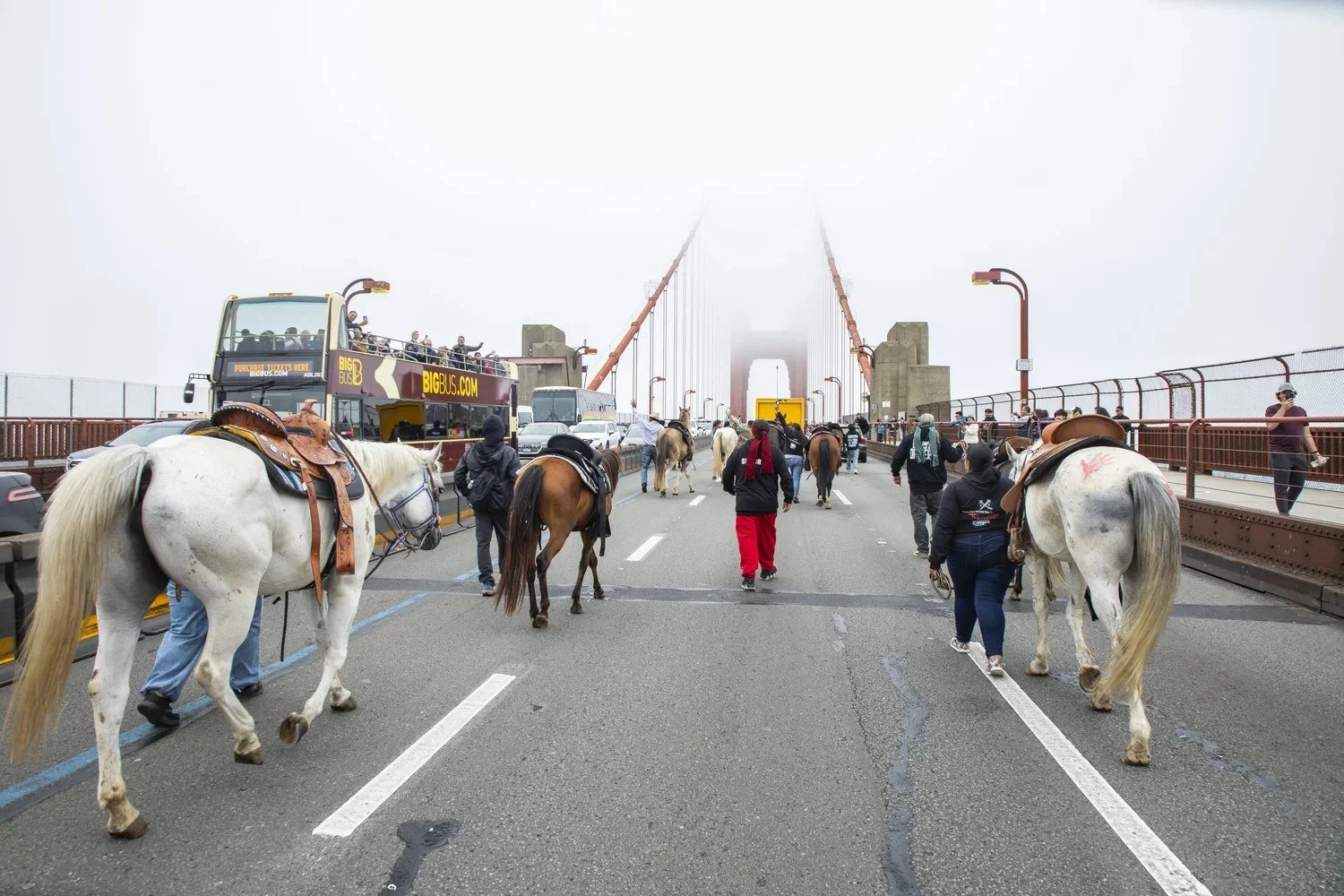
For a century, museums told the Ohlone story in the past tense. This summer, a small museum on Main Street in Los Gatos let the Muwekma Ohlone tell it in the present tense, from the horses of the Trail of Truth to the return of cultural fire.
The city named for Mission Santa Clara de Asís has formally asked the federal government to reinstate the people whose ancestors were brought into that mission. It started with tribal members at the public comment microphone.
More from the Newsletter
In twelve months, the Muwekma Ohlone Tribe raised its flag at San José City Hall, lit its first cultural burn in nearly 150 years, won state funding to buy about 154 acres of its homeland, and testified at the Capitol. Here is the year, month by month.
In January, on a Stanford preserve in the Santa Cruz foothills, the Muwekma Ohlone Tribe lit its first cultural burn in nearly a century and a half. Nine months later, the science is in print, and California is still deciding who gets to carry the fire.
Before sunrise on Indigenous Peoples’ Day, Muwekma dancers and singers gathered in front of the Mission Church at Santa Clara University. The day, ÓTTÓY RÓOTE HUŠÍŠTAK, opened the mission’s 250th-anniversary year by starting with the time before the mission.
For generations, the first people of the Bay Area held no land of their own in their homeland. In August 2026, that changed. The Tribe announced that about 150 acres of grassland in the hills above East San José had come home.
In Sacramento last August, state auditors told lawmakers the University of California could take until 2089 to return what it holds. Then the Muwekma Ohlone chairwoman stood up with the next generation behind her and told them what it would take.
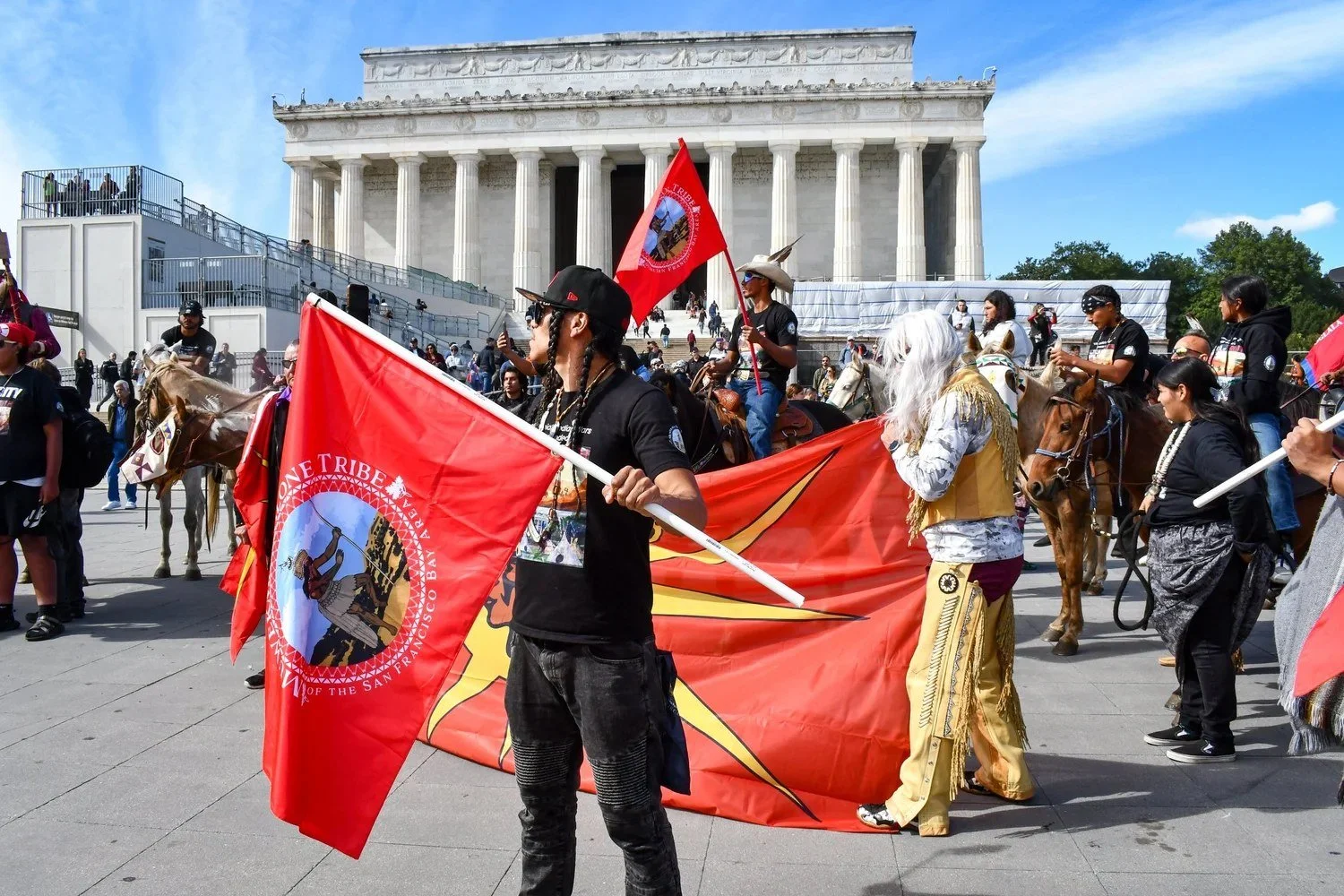
For a century, museums told the Ohlone story in the past tense. This summer, a small museum on Main Street in Los Gatos let the Muwekma Ohlone tell it in the present tense, from the horses of the Trail of Truth to the return of cultural fire.
The city named for Mission Santa Clara de Asís has formally asked the federal government to reinstate the people whose ancestors were brought into that mission. It started with tribal members at the public comment microphone.
In one week last May, Muwekma Ohlone leaders took the stage at Stanford’s business school to talk about land return, and Muwekma dancers opened the ceremony space at the 55th Stanford Powwow. The two events shared a theme: the hosts were home.
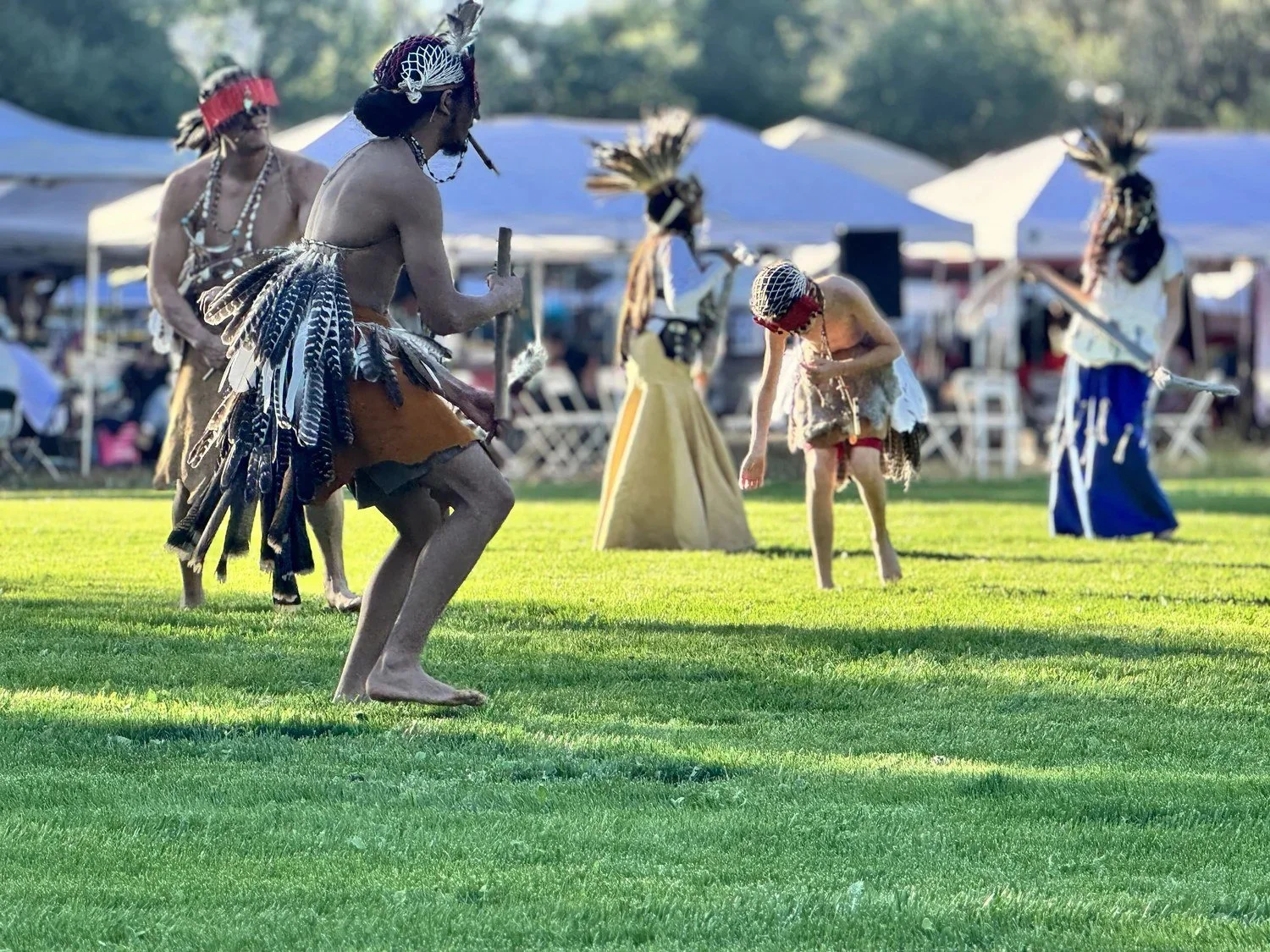
Every March, San José’s Mexica dancers give the night before their new year to the Native nations of California. This year the Muwekma Ohlone danced on their own homeland until the Bear Dance welcomed spring.
In Milpitas, it was a tradition renewed. In San José, it was a first. In the last weeks of 2025, two South Bay cities raised the red flag of the Muwekma Ohlone Tribe, and the Tribe’s chairwoman told one of them what should come next.
Last November, a Stanford field station handed its podium to the people whose land it sits on. Chairwoman Charlene Nijmeh told the story of the Trail of Truth, and Bernadette Quiroz taught a room full of strangers to say hello in Chochenyo.