
“Rematriation is a justice that can be bold, transformative, even magical.”
-Tribal Chairwoman Charlene Nijmeh
For more than 10,000 years, the land we know today as the Presidio has been one of our most sacred places.
For generations, indigenous justice was viewed with a sense of impossibility.
Today’s generation of leadership understands that dismantling colonial legal architecture is very possible — and entirely necessary.
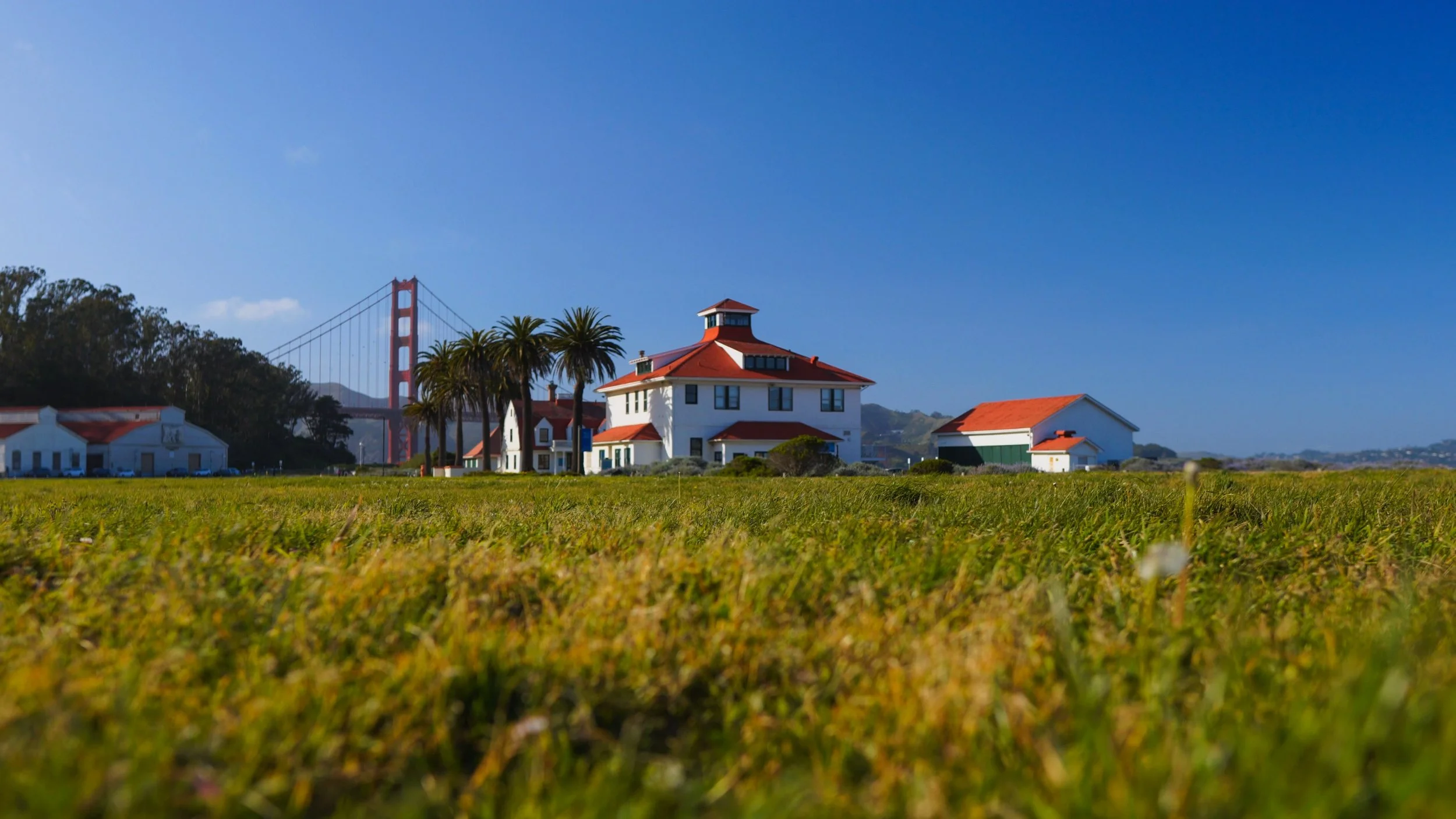
In March of 2025, we launched a #LandBack initiative to rematriate the Presidio—a 1,491-acre national park and former U.S. military base in San Francisco, California—to the tribe. The base ancestral Yelamu homeland, where they have stewarded the land for over 10,000 years. Amid an executive order threatening to disband the Presidio Trust (the federal entity managing the site), the tribe formally petitioned President Donald J. Trump and Interior Secretary Doug Burgum to transfer control to the Tribe, establishing it as a sovereign reservation for cultural revitalization, education, ecological restoration, and community housing.
Supported by allies like the Lakota People's Law Project, the petition calls for public signatures to amplify the demand, emphasizing that return would repatriate sacred sites and empower the Muwekma to thrive on our unceded territory.
As of December 2025, the initiative remains active with ongoing advocacy, though no federal transfer has yet been granted, continuing the tribe's fight for recognition and justice.
Four Ohlone villages stood atop what is not the San Francisco Presidio.
The Spanish stole the land to build a military fort, from which they launched military crusades to burn all of our Ohlone Villages across the Bay Area. They used the Presidio as a prison, where we were held captive before being enslaved at Missions Dolores, Santa Clara, and San Jose — where we were moved around like cattle in a forced labor system.
We’ve never ceded, deeded, or surrendered the Presidio.
For over 13,500 years, the land now known as the Presidio of San Francisco has been the ancestral home of the Ohlone people, specifically the Yelamu, a subtribe of the Ramaytush Ohlone who stewarded the northern San Francisco Peninsula. This fog-shrouded promontory at the Golden Gate was a vibrant hub of Indigenous life, where small villages dotted the bayshore and forested ridges. The Yelamu, numbering perhaps 2,000 in the region, lived in dome-shaped huts of willow and tule reeds, sustaining themselves through a profound reciprocity with the land. They harvested acorns from valley oaks, netted salmon and sturgeon in tidal streams, gathered shellfish from the rocky coves, and hunted deer and rabbits in the coastal scrub. Seasonal migrations followed the rhythms of tule elk herds and duck flocks, while basketry, shell beadwork, and oral traditions wove their cosmology into the landscape—stories of Coyote the trickster shaping the bay's contours.
Archaeological evidence, including middens layered with abalone shells and obsidian tools, attests to this deep-time presence, revealing trade networks stretching to the Sierra Nevada. Ceremonial dances under the stars honored ancestors, and healers invoked spirits from sacred springs like those in today's Presidio uplands.
European contact shattered this equilibrium. In 1776, Spanish explorers under Lieutenant Colonel Juan Bautista de Anza arrived, establishing the Presidio as a military outpost to guard the harbor and Mission Dolores, just miles inland. The Yelamu were coerced into the mission system, baptized en masse, and compelled to labor building adobe structures and tending fields—exchanging their hunter-gatherer freedom for Christian doctrine and European diseases. Smallpox, measles, and syphilis decimated their population; from thousands, survivors dwindled to hundreds by the early 1800s. Villages like Pruristac, near the Presidio's edge, were abandoned as families were herded to missions, their languages suppressed and ceremonies outlawed.
Under Mexican rule (1821–1848) and American conquest, further dispossession followed. Ranchos fragmented the land, and by the Gold Rush, the Ohlone were marginalized as "Mission Indians," many fleeing to urban fringes or intermarrying to survive. Yet resilience endured: descendants like those of the Muwekma Ohlone Tribe trace unbroken lineages to these Yelamu forebears, advocating for federal recognition since the 1980s.
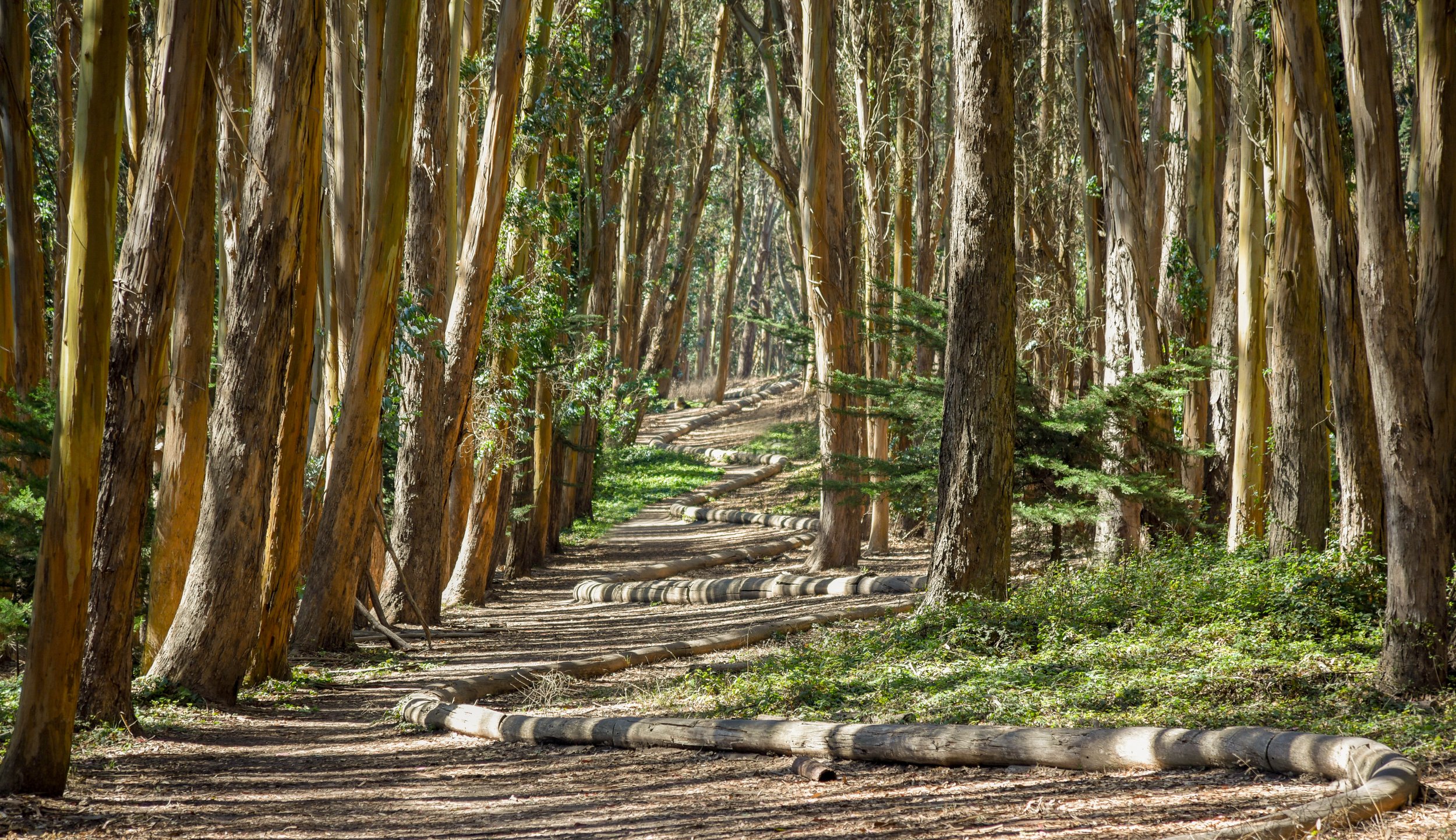
Today, the Presidio—once a fortress of empire—echoes with Ohlone ghosts. Archaeological digs unearth grinding stones amid eucalyptus groves, and tribal consultations guide park restoration, planting native bunchgrass to heal scarred soils. Rematriation calls grow louder, envisioning a future where Yelamu stewards reclaim their role, transforming military relics into centers of cultural revival. In this sacred ground, the Ohlone's history is not relic but living testament: a call to honor the original caretakers whose wisdom could mend our fractured earth.
This justice is long overdue.
The decommissioning of the Presidio of San Francisco under the Base Realignment and Closure (BRAC) Act marked a pivotal moment for the Muwekma Ohlone Tribe, whose Yelamu ancestors stewarded the land for millennia before Spanish colonization in 1776. Selected for closure in 1988 and fully transferred to the National Park Service (NPS) in 1994, the Presidio's shift from military base to national park ignited the tribe's formal reclamation efforts, intertwined with their broader fight for federal recognition.
In the late 1980s, as the U.S. Army prepared to hand over the 1,491-acre site to the Department of the Interior, Tribal Chair Rosemary Cambra sent a letter to the Secretary of the Army in 1989, asserting the Muwekma's "right of first refusal" as aboriginal titleholders. This bold claim, echoing similar assertions for the Hunters Point Naval Shipyard and Alameda Naval Air Station, was summarily ignored amid the rush to establish the Presidio Trust in 1996 for self-sustaining park management. Undeterred, the tribe filed a federal recognition petition with the Bureau of Indian Affairs (BIA) that same year, documenting descent from the federally acknowledged Verona Band (disenfranchised in 1927 without termination). Recognition was crucial: without it, land claims under the Indian Reorganization Act were untenable.
The 1990s saw stalled progress. San Francisco's Board of Supervisors recognized the Muwekma as the city's original people in the early 1990s, yet NPS planning sidelined them, inviting Monterey-area Ohlone groups instead—a point of contention the tribe boycotted.
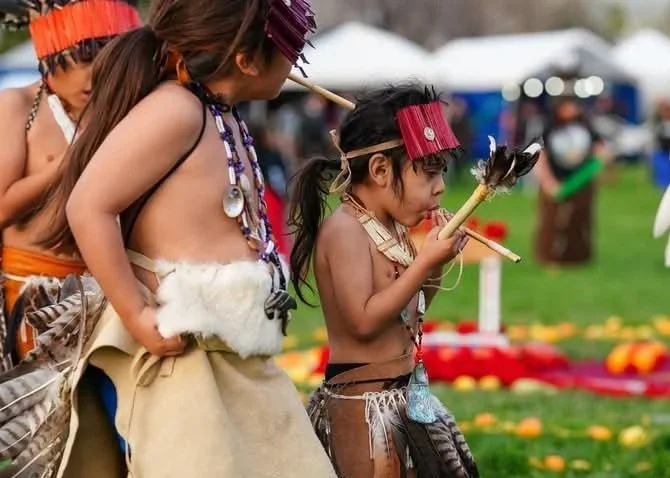
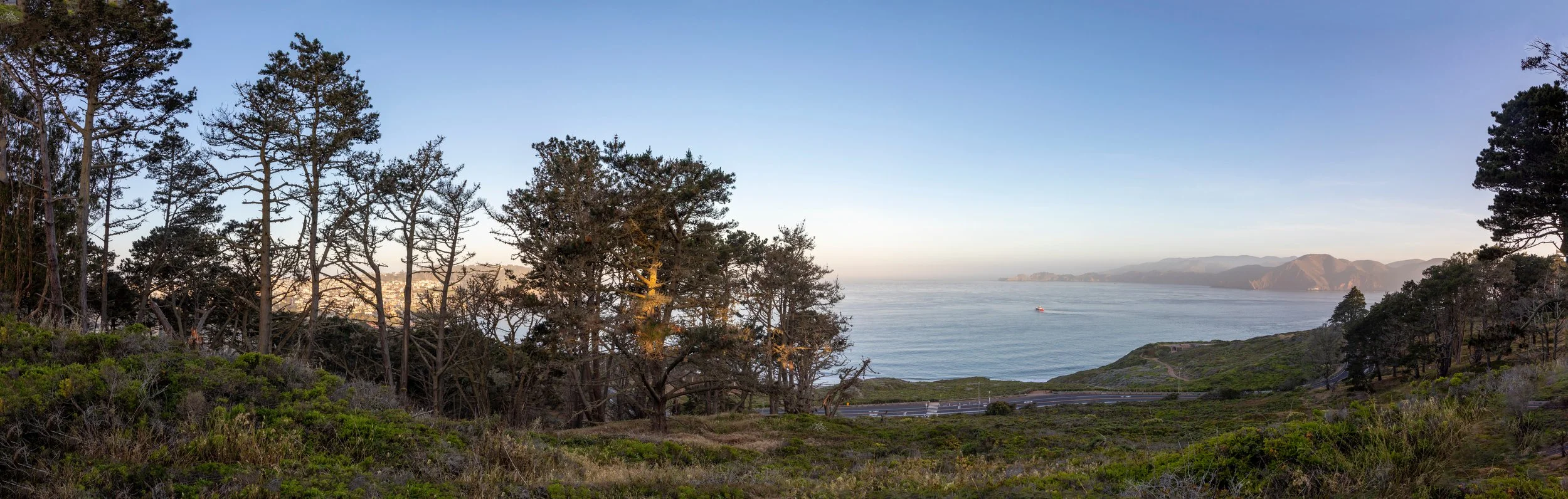
The Presidio needs a kind of healing that only the Ohlone People can bestow,”
— Joseph Torres, Ohlone Culture Bearer
Justice is Possible
President Trump can return the Presidio to the Muwekma Ohlone Tribe via executive action. Direct Secretary of the Interior Doug Burgum to dissolve the Presidio Trust under Executive Order 14217, then proclaim the land a new reservation using Section 7 of the Indian Reorganization Act of 1934. This enables rematriation without congressional approval, fostering indigenous stewardship and reconciliation.
The Presidio can be so much more.
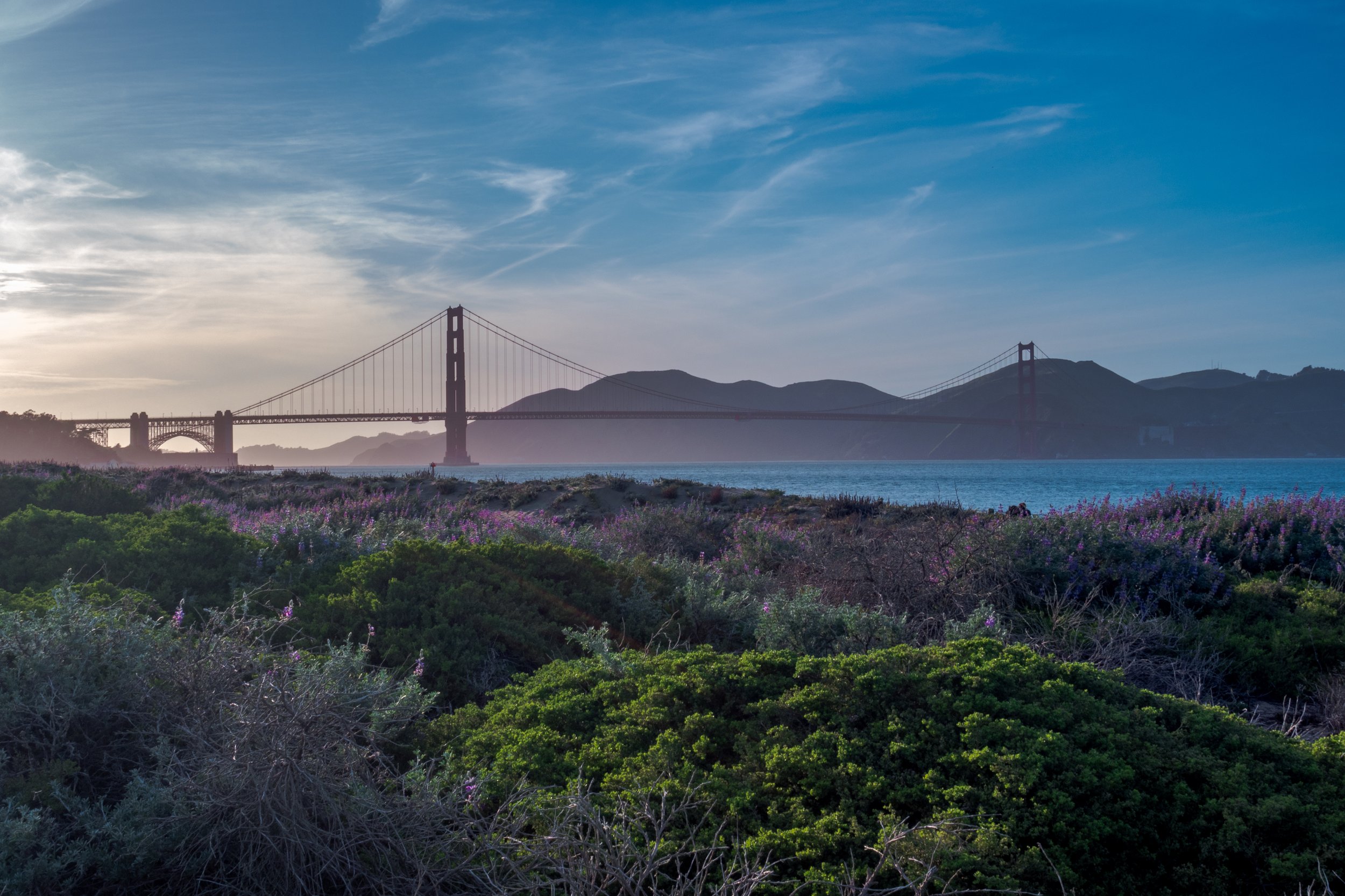
We will foster sustainable conservation that nurtures ecological and cultural integrity through reciprocity with the land. This rematriation enables cultural renaissance via heritage centers, guided ancestral tours, and events celebrating Ohlone artistry and spirituality. Economically, it cuts federal costs, boosts tourism, and creates local jobs without displacing tenants, promoting reconciliation and efficient, indigenous-led governance.
Now is the time.
Now, in 2026, President Trump's Executive Order 14217 paves the way to dissolve the Presidio Trust, facilitating rematriation without congressional hurdles. The Muwekma Ohlone's 2025 petition has ignited national momentum for reconciliation, rectifying centuries of dispossession. Amid escalating climate threats, tribally led management promises superior, sustainable stewardship—slashing federal costs, reviving cultural heritage, and amplifying eco-tourism.