
The Night Before the New Year
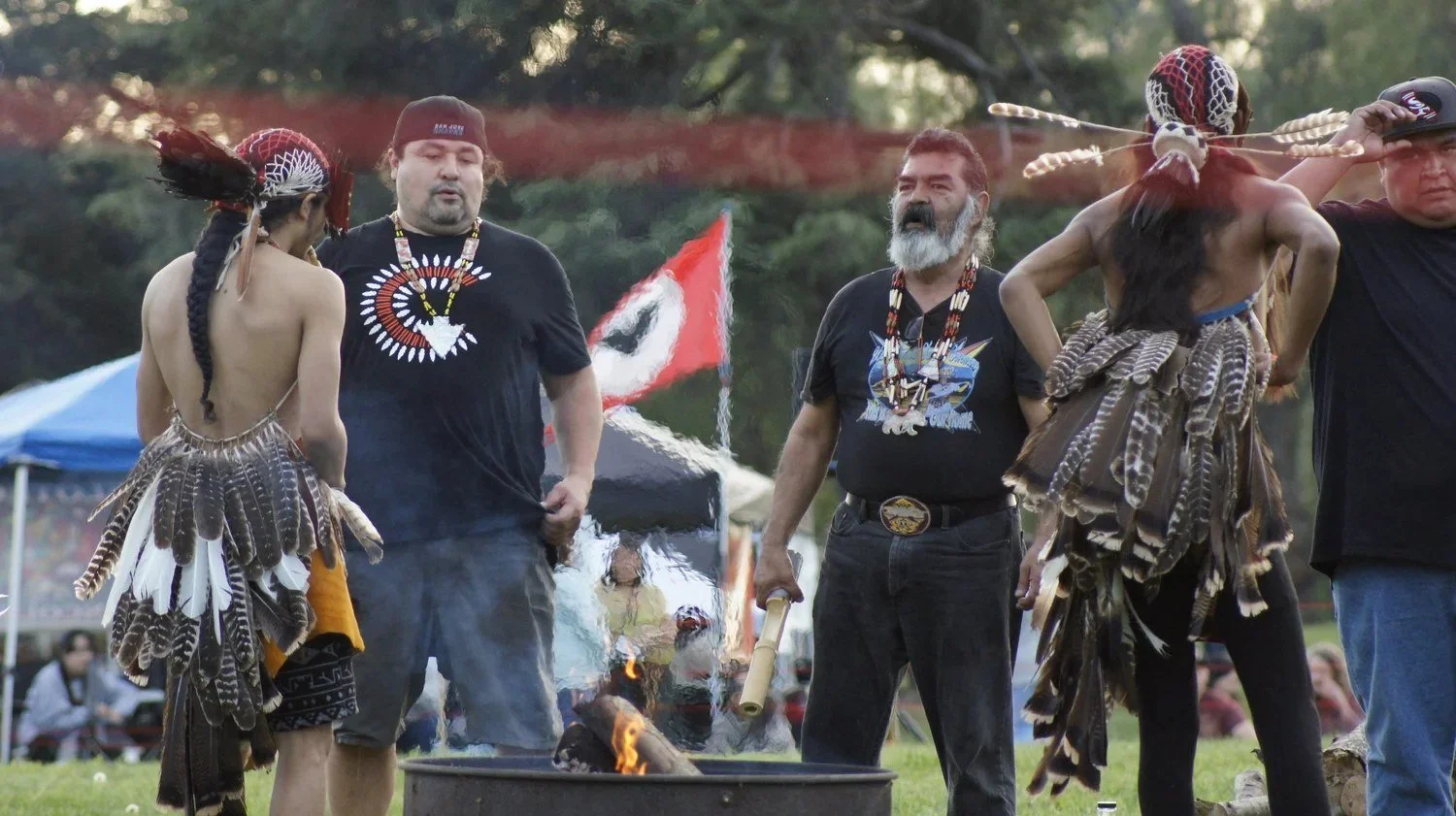
Dancers and singers at the fire during the 5th Annual Cali Native Nights, Emma Prusch Farm Park, San José, March 2026. Photo: Tiffany Williams / Muwekma Ohlone Preservation Foundation
Every March, San José’s Mexica dancers hand the night before their new year to the Native nations of California. This year, the Muwekma Ohlone danced on their own homeland until the Bear Dance welcomed the spring.
Emma Prusch Farm Park is an unlikely piece of countryside, a city-owned farm with a white farmhouse, a barn and a big lawn, wedged in among the freeway interchanges of East San José. For one weekend every March, the lawn becomes a dance ground.
The occasion is the Mexica New Year, hosted by Calpulli Tonalehqueh, the San José danza community. The 2026 celebration was the 28th. Its name, according to Santa Clara University’s profile of one of its teachers, means “community of guardians who accompany the sun.” In the Mexica calendar, the year ends with five nameless days, considered unlucky. Then the new year arrives with the new agricultural cycle.
Before that, though, the hosts do something generous. They give the first night to someone else.
A Day Given
“The Mexica — Tonalehqueh — offered a day before their new year, the Mexica New Year, to open up that space for our dance so that we can gather and celebrate the rebirth of spring,” Chairwoman Charlene Nijmeh of the Muwekma Ohlone Tribe told reporters from The Smoke Signal, whose account of the weekend was published in September.
That night has a name now: Cali Native Nights. In 2026 it was the fifth. It began on Friday evening, March 13, with a land acknowledgment, and then the circle belonged to the nations of California. The Smoke Signal reported performances by Muwekma dancers, Round Valley Covelo and Pomo. Thousands of people came out over the weekend.
Dancers in regalia came into the fenced circle through an arch made of grass. Inside, singers kept time on wooden instruments, and a fire burned at the center. The Smoke Signal’s writers caught the feeling of it. For the dancers to wear their regalia and play their music in public, they wrote, “sent the message that they have survived the pain history has inflicted upon them — and that they will continue to survive.”
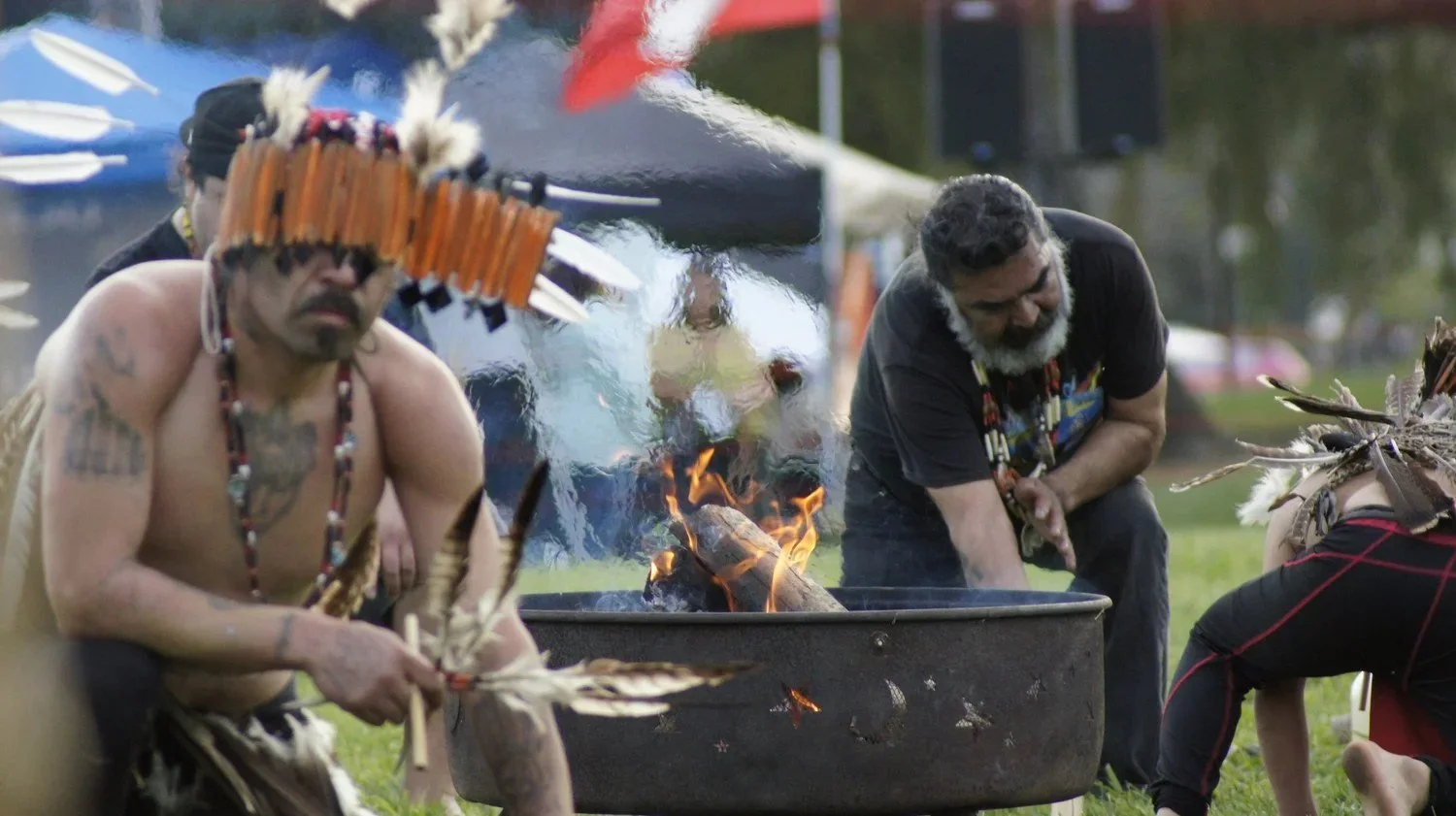
Tending the fire at the center of the circle. Photo: Tiffany Williams / Muwekma Ohlone Preservation Foundation
The Bear Dance
The night ended the way the season begins. The last dance was the Bear Dance, a celebration of spring’s arrival, when the bear wakes from its long sleep.
Nijmeh drew the obvious parallel and made it moving. “The Ohlone people went to sleep for a short period of time, but now we’re reawakened, and we’re coming together again to dance and sing and pray together,” she said. “We have a lot more relatives this year who have joined us in dance and prayer and song around that fire — just like our ancestors did.”
“The Ohlone people went to sleep for a short period of time, but now we’re reawakened, and we’re coming together again to dance and sing and pray together.” —Chairwoman Charlene Nijmeh
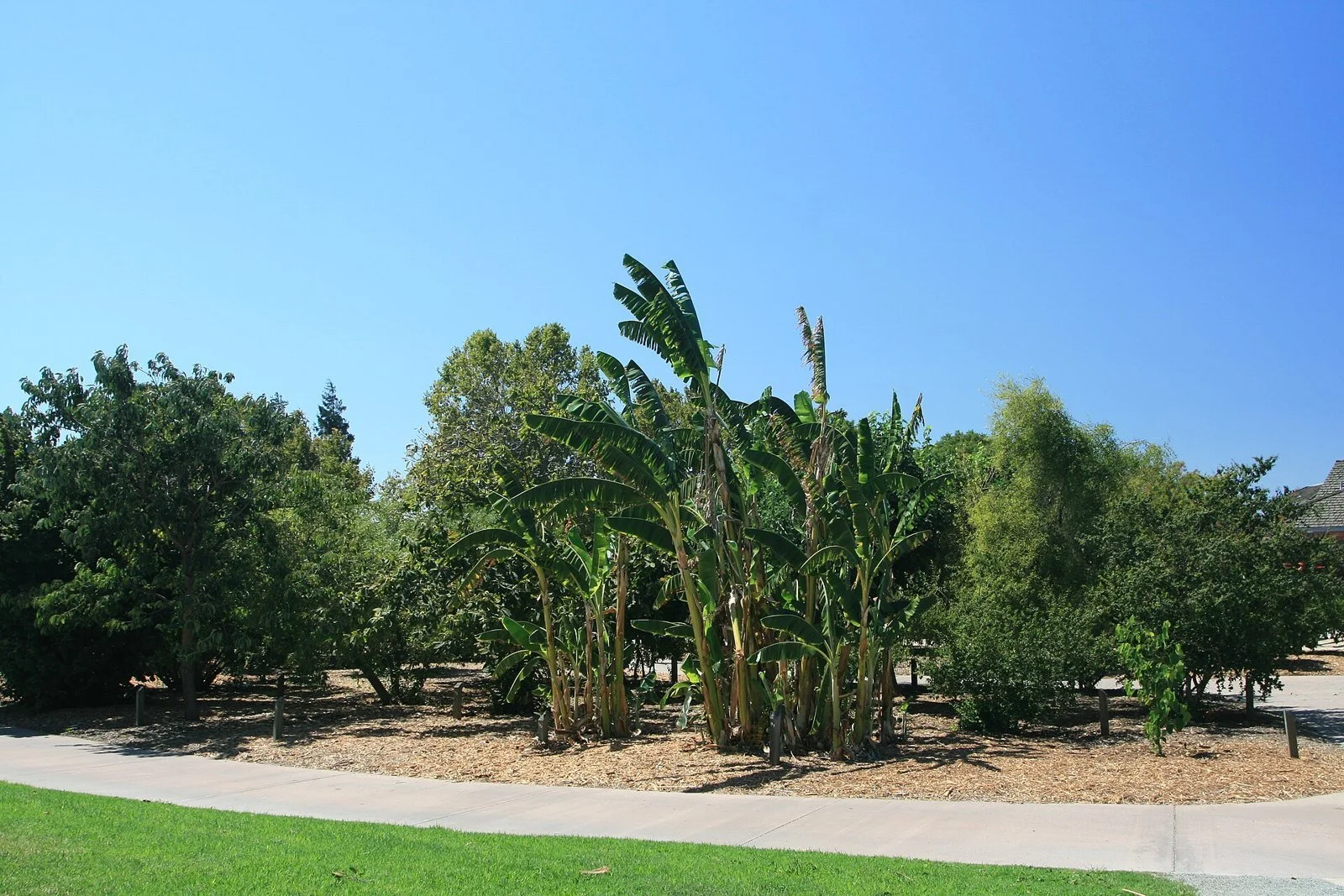
The rare-fruit orchard at Emma Prusch Farm Park. Photo: Grey3k / Wikimedia Commons, CC BY 3.0
“A lot more relatives this year” is worth hearing as a fact, not just a sentiment. Ohlone dance was suppressed at the missions and nearly lost in the century after. The Tribe’s cultural programs, led by culture bearer and dance captain Joseph “Joey” Iyolopixtli Torres, have spent years bringing song, dance and regalia-making back to the center of Muwekma life and passing them to the young. A bigger circle at Emma Prusch is one way to measure that work.
Relatives From Across the State
For the Tribe, the weekend was about relationship as much as performance. In its photo gallery of the night, the Muwekma Ohlone Preservation Foundation wrote that “Cali Native Nights has become a space to stand in relationship with relatives from across the state, to dance on Ohlone land, and to keep cultural traditions strong for the next generation.” The Tribe and the Foundation also set up tables over the weekend, shared information and spent time with the people who came out to support them.
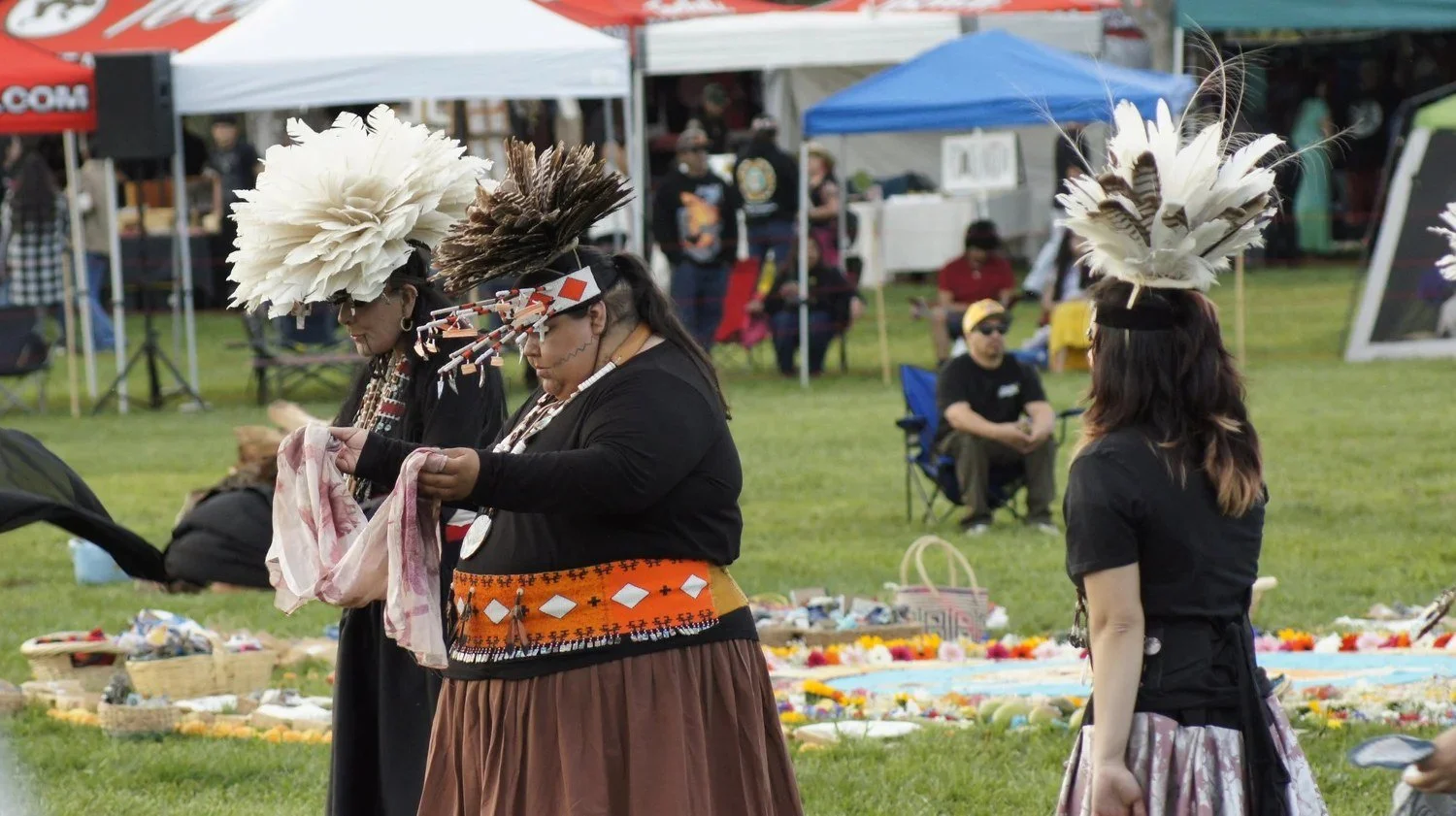
Women dancers in regalia at Cali Native Nights. Photo: Tiffany Williams / Muwekma Ohlone Preservation Foundation
The two days that followed belonged to the Mexica. Danzantes in feathered headdresses, with ayoyotes, seed-pod rattles, around their ankles, danced around the same fire pit to drums and woodwinds. Under the hot sun, members of Calpulli Tonalehqueh handed out water and citrus to the dancers. A danza teacher with the group, Yei Tochtli Mitlalpilli, has described the work as representing the Indigenous peoples of the hemisphere, from Alaska to Chile, as one people. That idea was on display all weekend at the farm park: two Indigenous communities, one of them with roots in this valley going back thousands of years and the other with roots far to the south, sharing a single circle.
The partnership has kept going. In October, Mitlalpilli joined Nijmeh, Torres and others on a panel about Indigenous solidarity at Santa Clara University’s Indigenous Peoples’ Day.
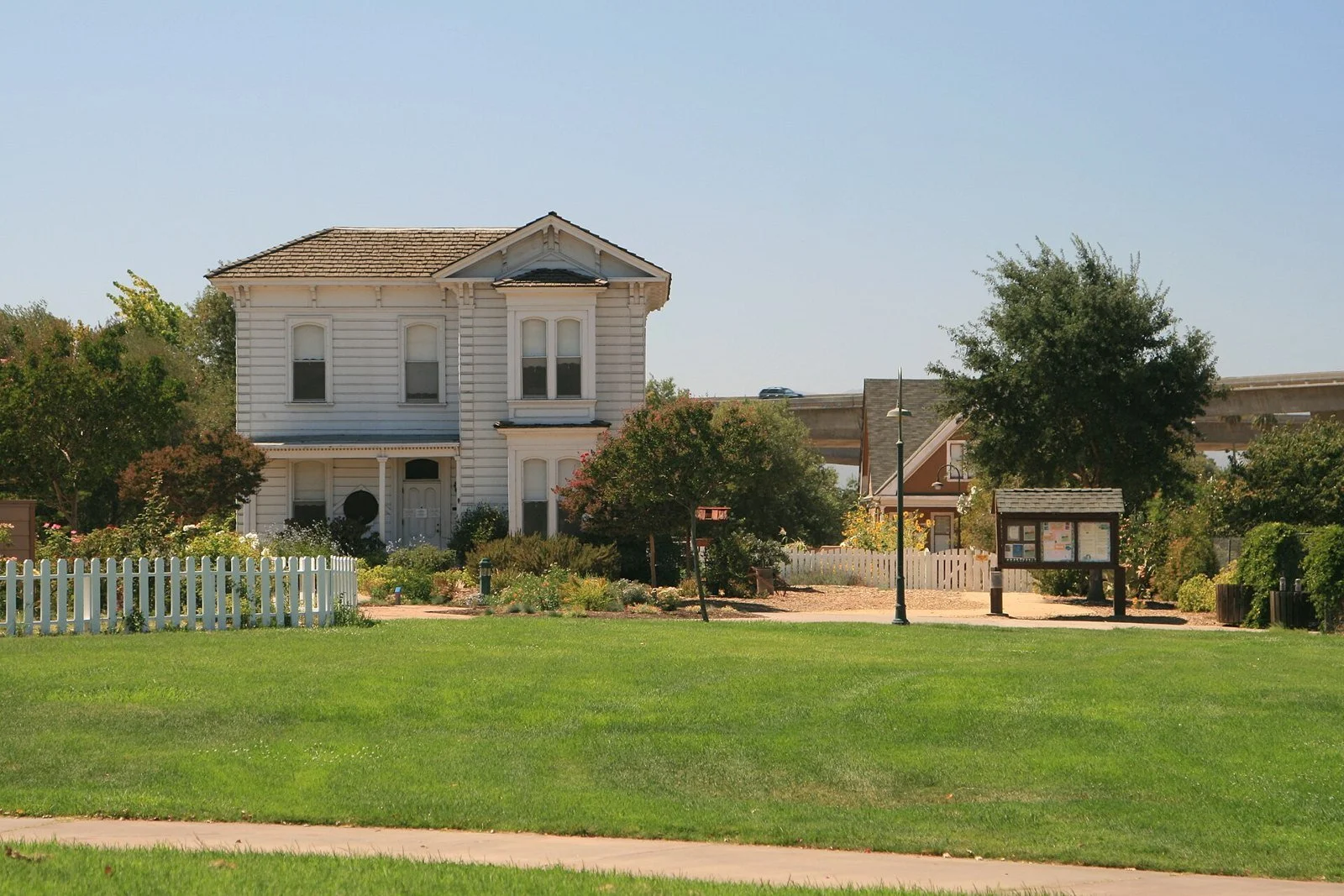
The preserved farmhouse at Emma Prusch Farm Park in East San José, home to the Mexica New Year and Cali Native Nights. Photo: Grey3k / Wikimedia Commons, CC BY 3.0
Thank You
The Foundation is grateful to Calpulli Tonalehqueh for opening its new year to California’s first peoples; to Round Valley and Pomo relatives for dancing alongside Muwekma; and to the supporters and volunteers who made the night possible. Thanks also go to photographer Tiffany Williams, whose pictures appear on this page and in the Foundation’s gallery.
The bear has woken up. See you in the circle next spring.
Editor’s note: Quotations from Chairwoman Nijmeh, and descriptions of the program, come from The Smoke Signal’s Sept. 6, 2026 report by Cecilia Cheng and Finn McCarthy. Charlene Nijmeh is president of the Muwekma Ohlone Preservation Foundation, which publishes this newsletter, and Joseph Torres is its Director of Cultural Programs.