
The Mission City Says Reinstate
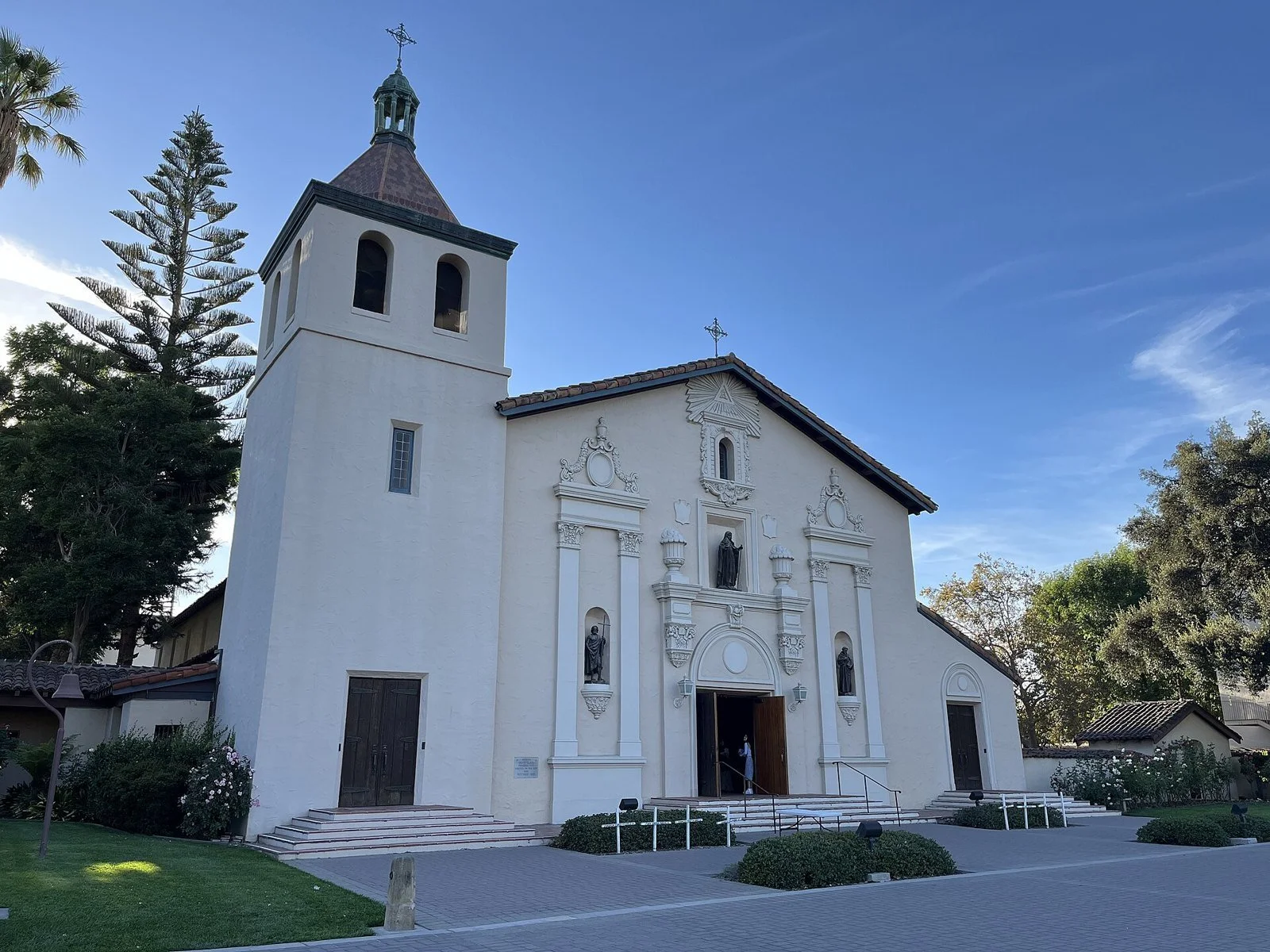
Mission Santa Clara de Asís, the mission that gave the city its name. In June 2026 the city asked Washington to reinstate the Muwekma Ohlone Tribe. Photo: Antony-22 / Wikimedia Commons, CC BY-SA 4.0
The city named for Mission Santa Clara de Asís has formally asked the federal government to reinstate the people whose ancestors were brought into that mission. It started with tribal members at the public comment microphone.
Santa Clara calls itself the Mission City. The name comes from Mission Santa Clara de Asís, founded in 1777 on the river the Spanish called the Guadalupe. Thousands of Ohlone people were baptized, worked, and buried there, among them the ancestors of today’s Muwekma Ohlone Tribe.
On June 9, 2026, the city that took the mission’s name took a position on the mission’s people.
The Vote
That evening the Santa Clara City Council adopted Resolution No. 26-9569. It urges “the United States Congress, the Department of the Interior, and the Bureau of Indian Affairs to formally acknowledge the Muwekma Ohlone Tribe of the San Francisco Bay Area as a federally recognized, sovereign tribe” and “to take all necessary steps to reinstate the Tribe on the list of federally recognized tribes.” The resolution’s title also names the White House.
The certified copy records the vote. Councilmembers Raj Chahal, Kelly Cox, Albert Gonzalez, Suds Jain and Kevin Park voted yes, along with Mayor Lisa Gillmor. Councilmember Karen Hardy abstained. Nobody voted no. According to the city’s legislative record, Cox made the motion and Gonzalez, the vice mayor, seconded it. The resolution directs the city manager to send copies to the Bay Area’s congressional delegation and to the Secretary of the Interior.
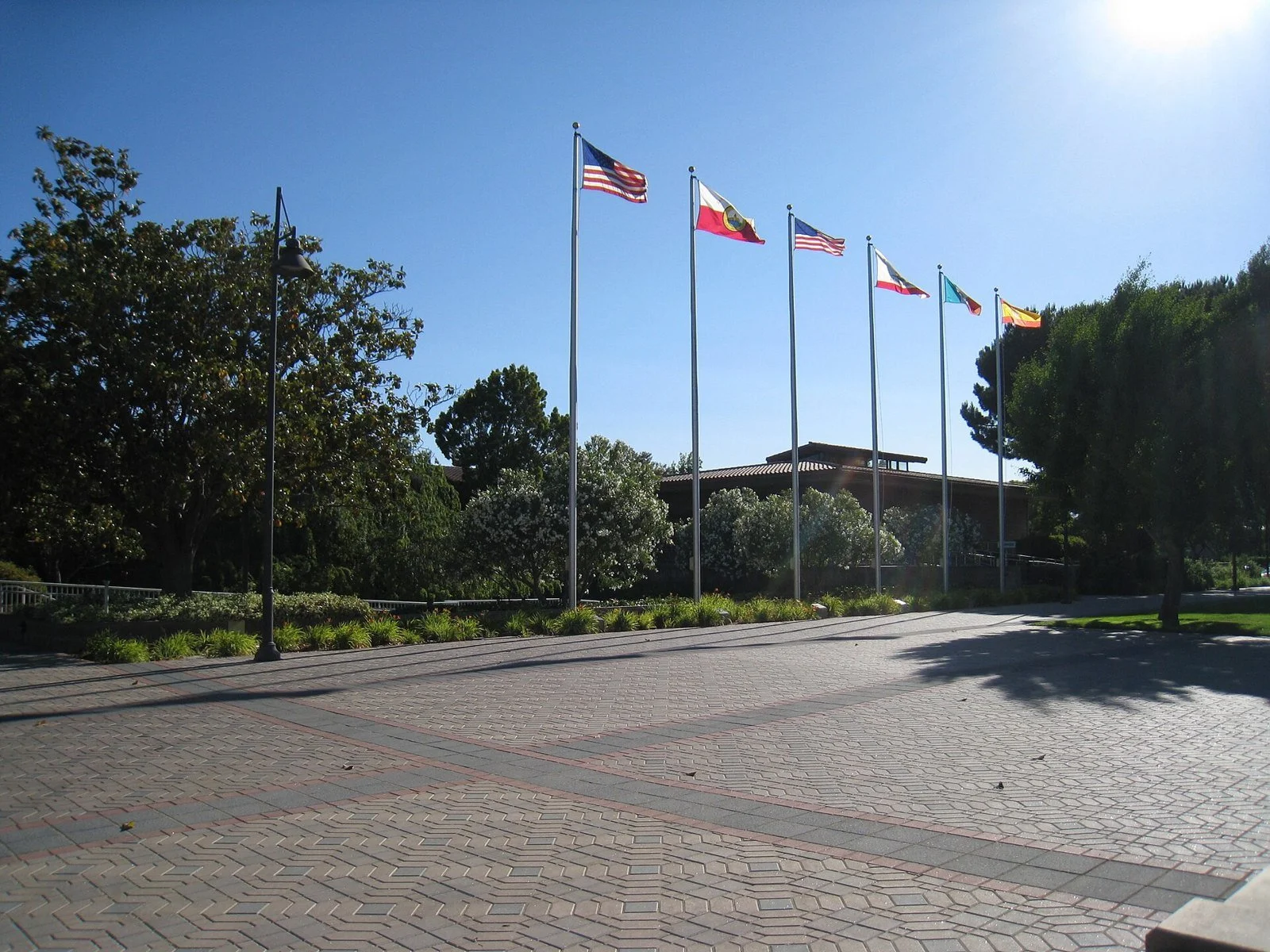
Flags in front of Santa Clara City Hall, where the council adopted Resolution 26-9569 on June 9, 2026. Photo: Dvortygirl / Wikimedia Commons, CC BY-SA 3.0
The Word That Matters
Santa Clara could have passed something polite, a general expression of goodwill toward a petition. It chose a sharper verb instead: reinstate.
That word tells a history the federal government has itself documented. The resolution states that “federal records identified a Native community known as the Verona Band of Alameda County,” that today’s Muwekma members “have documented descent from individuals listed in these federal records,” and that the Verona Band “appeared in federal Indian censuses and was included in federal actions concerning landless California Indians.” City staff’s presentation to the council went further, describing the Verona Band as a community the federal government had previously recognized, whose status changed in the early 20th century through administrative actions of the Bureau of Indian Affairs.
Washington has never disputed the first half of that story. In 2002 the Interior Department found that the Tribe had “unambiguous previous Federal acknowledgement until 1927,” and then denied its petition anyway. The Muwekma position has always been simple. A tribe the United States recognized, and that Congress never terminated, should not have to prove it exists all over again. In June, Santa Clara agreed.
The resolution urges Washington “to take all necessary steps to reinstate the Tribe on the list of federally recognized tribes.” —City of Santa Clara, Resolution No. 26-9569
How It Got There
The item did not start at City Hall. It started at the public comment microphone.
At the council’s March 24 meeting, several Muwekma members stood up during public comment and asked the council to take up the Tribe’s request. Gonzalez moved on the spot to put it on a future agenda. As the Silicon Valley Voice reported, two councilmembers objected on procedural grounds because the request came outside the usual slot for new business. The city attorney said council policy and the Brown Act allowed it, and the referral went forward. Eleven weeks later, both of the councilmembers who had objected voted yes.
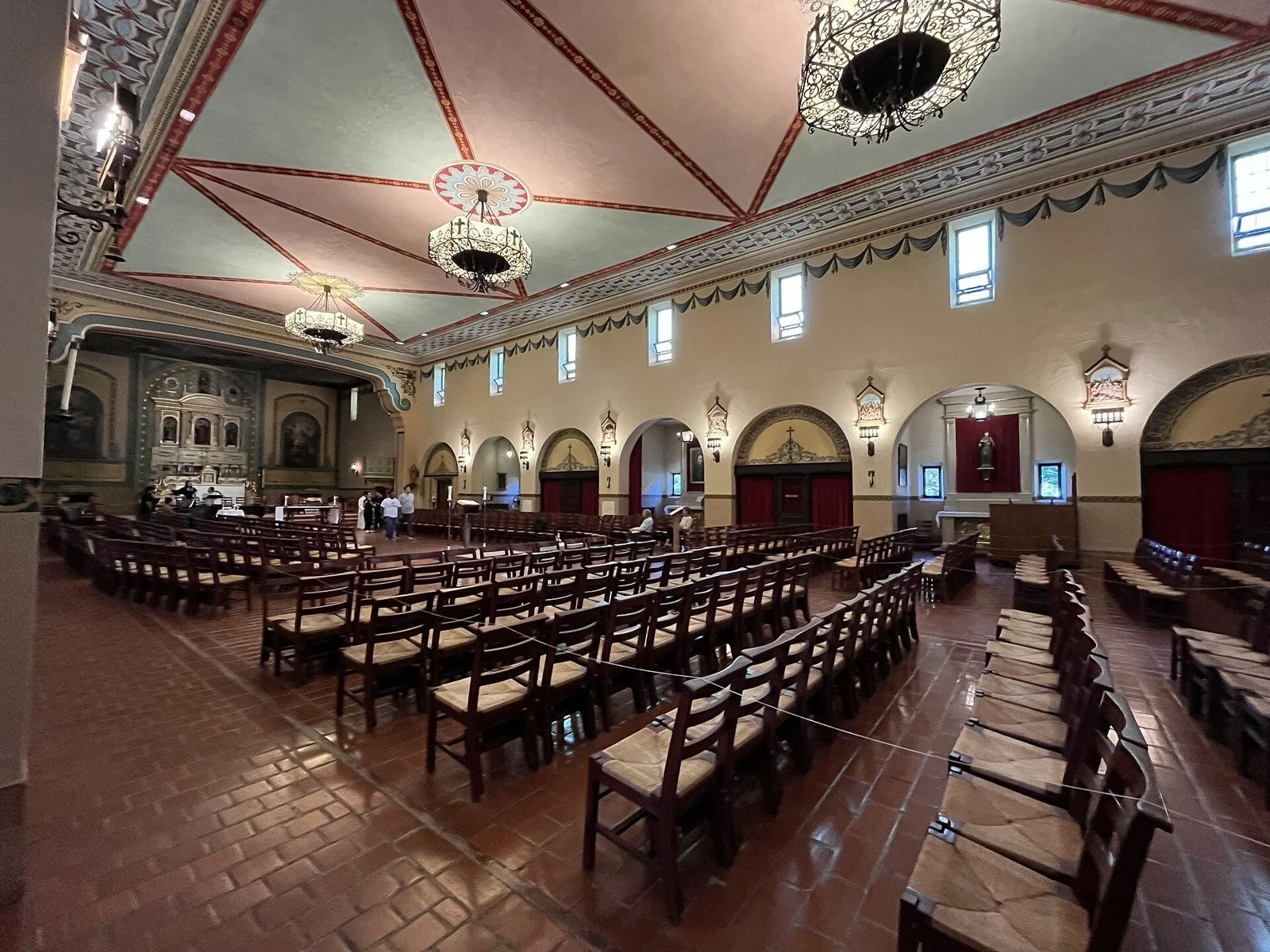
Inside Mission Santa Clara de Asís, 2024. Photo: Antony-22 / Wikimedia Commons, CC BY-SA 4.0
Assistant City Manager Paulina Morales presented the staff report, which put the Tribe’s history in front of the council, including its 1989 petition under the federal acknowledgment rules. The agenda packet held the precedents. Union City adopted a resolution on July 22, 2025 and sent it to Interior Secretary Doug Burgum and BIA Director Bryan Mercier. On Aug. 4, 2025, Livermore Mayor John Marchand wrote to Burgum urging a thorough review and noting that Muwekma members “have honorably served in the United States Armed Forces.”
The packet also contained the strongest argument on the other side: 2024 letters to the San José City Council from Rep. Zoe Lofgren and then-Rep. Anna Eshoo opposing a similar resolution there. Lofgren wrote that Congress “has never granted federal recognition to a tribe that was denied by BIA and exhausted all appeals.” That describes past practice, not a legal limit. Congress has plenary authority over Indian affairs and has recognized tribes by statute many times. Santa Clara’s council read the letters and voted for reinstatement anyway.
Who Comes Next
Young people in the South Bay are trying to make sure Santa Clara isn’t the last city to act. In September, the Los Altos Town Crier reported on a student coalition pushing cities to pass resolutions of their own. “The main goal for legislative affairs is to get more cities involved from the larger Bay Area, so we can show the federal government that we are standing behind (the Muwekma Ohlone Tribe),” the coalition’s co-president, Sudhanva Belur, told the paper.
The Tribe has been building toward this for a while. Standing in San José’s council chamber the previous December, Chairwoman Charlene Nijmeh asked for exactly this kind of resolution, and told the council that other cities were planning similar resolutions. Santa Clara turned out to be one of them. One of the yes votes, Councilmember Suds Jain, had brought the city’s welcome to Santa Clara University’s Native American Symposium the previous October.
A city resolution has no legal force in Washington. It does carry weight. When the Bay Area’s members of Congress opened their mail this summer, they found a resolution from a city of nearly 130,000 people, named for the mission where the Tribe’s ancestors were baptized, telling them that the Tribe belongs back on the federal list and asking them to put it there.
Thank you, Santa Clara. Who’s next?
Editor’s note: Resolution text and the vote come from the certified copy of Resolution No. 26-9569 and the city’s legislative record. Chairwoman Nijmeh’s remarks in San José are paraphrased from that city’s caption transcript of its Dec. 16, 2025 meeting. Quotations from the Livermore and Lofgren letters come from the documents in the June 9 agenda packet. Charlene Nijmeh is president of the Muwekma Ohlone Preservation Foundation, which publishes this newsletter.