
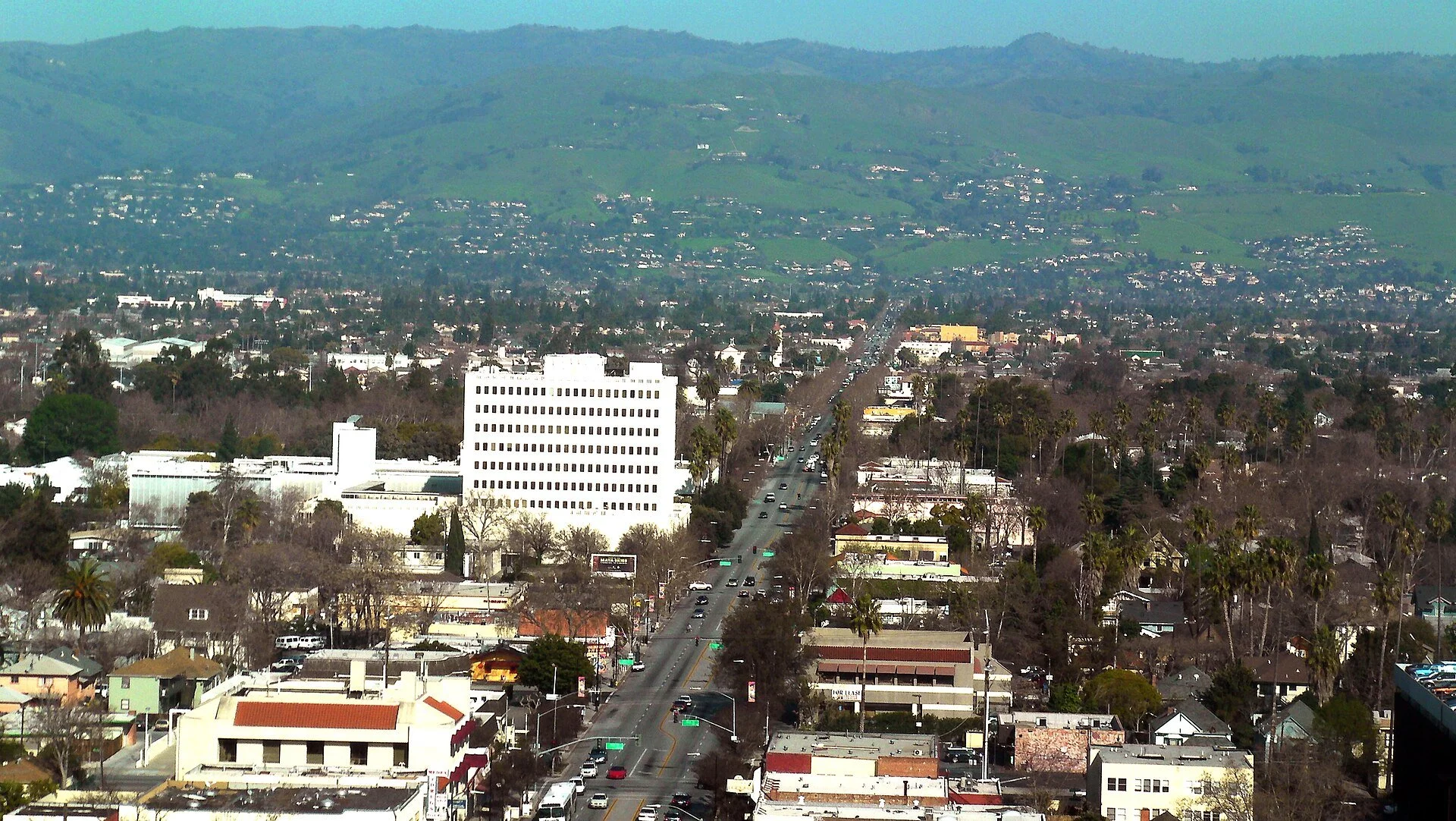
The eastern foothills rise above East San José. Representative view of the landscape around Bella Madeira, not the property itself. Photo: XAtsukex / Wikimedia Commons, CC BY 3.0
Bella Madeira: Coming Home to the Hills Above San José
For the first time in generations, a piece of the Muwekma Ohlone homeland has been returned to the Tribe. Bella Madeira is about 150 acres of grassland and open hillside in the foothills of East San José. The Tribe plans it as a place to gather, to pray, to plant, to tend fire, and to raise the next generation on the land their ancestors never stopped knowing.
When the Tribe shared the news on August 8, 2026, it said:
“The return of 150 acres of ancestral land is more than the return of a place, it is an act of rematriation, restoring the relationship between the people and their homeland after generations of separation. This land will become a place where culture is strengthened, language is revitalized, ceremonies continue, and future generations can reconnect with the homeland their ancestors have always known. To every Tribal member, ancestor, partner, and supporter who made this moment possible this homecoming belongs to all of you.” — Muwekma Ohlone Tribe
The Land and What It Means to Us
Bella Madeira sits in the eastern foothills that look out over the Santa Clara Valley. State grant documents describe it as a property of about 154 acres bordering the City of San José; the Tribe’s announcement says 150 acres. In recent years it was used as cattle-grazing land, and Joseph D. Grant County Park is among its neighbors in the eastern foothills.
These hills are Thámien Ohlone territory. They were home to the Ohlone-speaking peoples of the Santa Clara Valley, whose descendants were taken into Missions Santa Clara, San José, and San Francisco and whose lineages carry on in the Muwekma Ohlone Tribe today. The land of San José holds deep spiritual and historical meaning for our people. Many sacred places in the valley have been lost to development. That loss is why one protected landscape in these hills, returned to the Tribe, matters so much.
The Muwekma Ohlone Tribe was federally recognized as the Verona Band of Alameda County, and Congress never terminated it. Even so, the Tribe was left landless in its own 10,000-year homeland. Bella Madeira begins to change that.
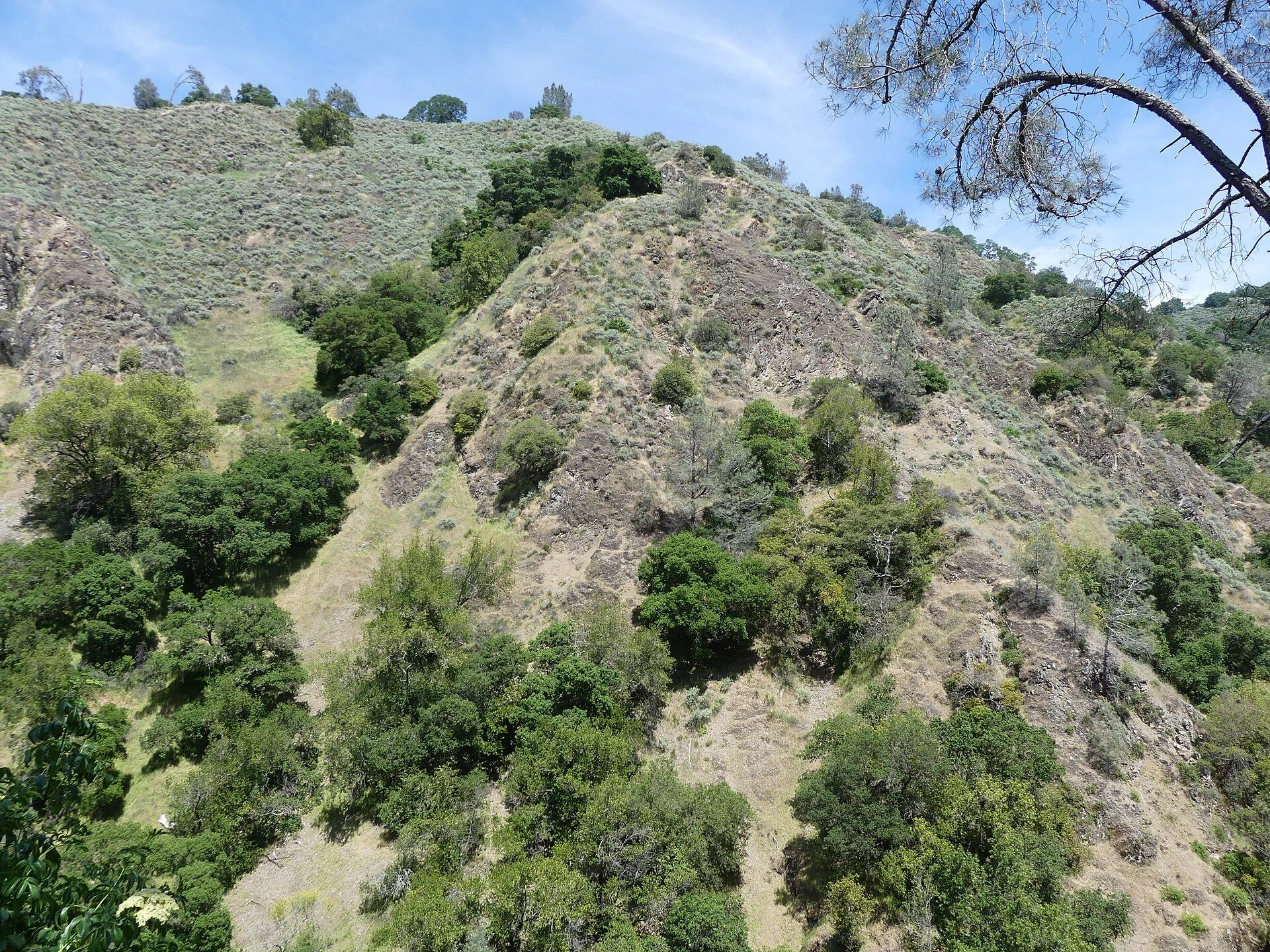
Coast live oak, foothill pine and California sagebrush share a hillside at nearby Alum Rock Park. Representative view, not the Bella Madeira property. Photo: Advyth Ramachandran / Wikimedia Commons, CC BY-SA 4.0
How Rematriation Happened
Without these hills being returned, the property faced a different future. It was zoned for rural residential use and could have been split into five-acre estate lots. State reviewers counted 37 potential development rights that the project would retire. Instead, the land will stay open.
The return was made possible by California’s Sustainable Agricultural Lands Conservation (SALC) Program, which the California Department of Conservation (DOC) administers with the California Natural Resources Agency for the California Strategic Growth Council. The program is funded by California Climate Investments, which come from the state’s Cap-and-Invest program. SALC protects farmland and rangeland that is at risk of development. That includes lands that Tribes use to grow traditional foods, herbal medicines, fibers, and dyes.
On October 8, 2025, the Strategic Growth Council approved DOC staff’s recommendation to award the Muwekma Ohlone Tribe of the San Francisco Bay Area $4,470,000 in SALC Round 10 funding. The grant was for a fee-title purchase of the roughly 154-acre property. Staff rated it “project ready” and found that it qualified for 100% SALC funding.
On December 10, 2025, the Council approved a second, separate grant: $250,000 in SALC capacity funding to build the Tribe’s Conservation Office. As described in the state’s project summary, it is meant to support training for tribal members in ecological restoration, land management, and traditional cultivation, and to create paid positions for the next generation of Tribal leaders.
When the Round 10 awards were announced, Department of Conservation Director Jennifer Lucchesi said of the program: “Once we lose California’s agricultural lands and open space, we can never recover them. The SALC program protects our state’s agriculture, greenhouse gas emission reduction and biodiversity for generations to come.”
We are deeply grateful to the Department of Conservation and the Strategic Growth Council, and to every Tribal member, ally, and partner who carried this work forward.
Our Vision for Bella Madeira
Bella Madeira will be cared for the way our ancestors cared for these hills, with reciprocity, patience, and respect. As set out in the Tribe’s state grant, the land will be used for:
Traditional foods, medicines, and basketry materials: restoring and cultivating the plants that feed, heal, and clothe our people.
Ceremony and cultural practice: a protected place for gathering, ceremony, and the passing of knowledge from elders to youth.
Traditional Ecological Knowledge in action: cultural burning, polyculture plantings, and supplemental grazing to bring the grasslands back to health.
Healing the land: reviving native plants, conserving wildlife habitat, and protecting ecologically sensitive areas.
Feeding our neighbors: the Tribe has committed to donating any surplus from its harvests to local food banks serving low-income families in East San José.
A cultural management and land stewardship plan, also funded through SALC, will guide this work.
The Foundation also lists the Bella Madeira Horse Medicine Ranch among its enterprise initiatives, which it says will generate revenue and jobs for Tribal members.
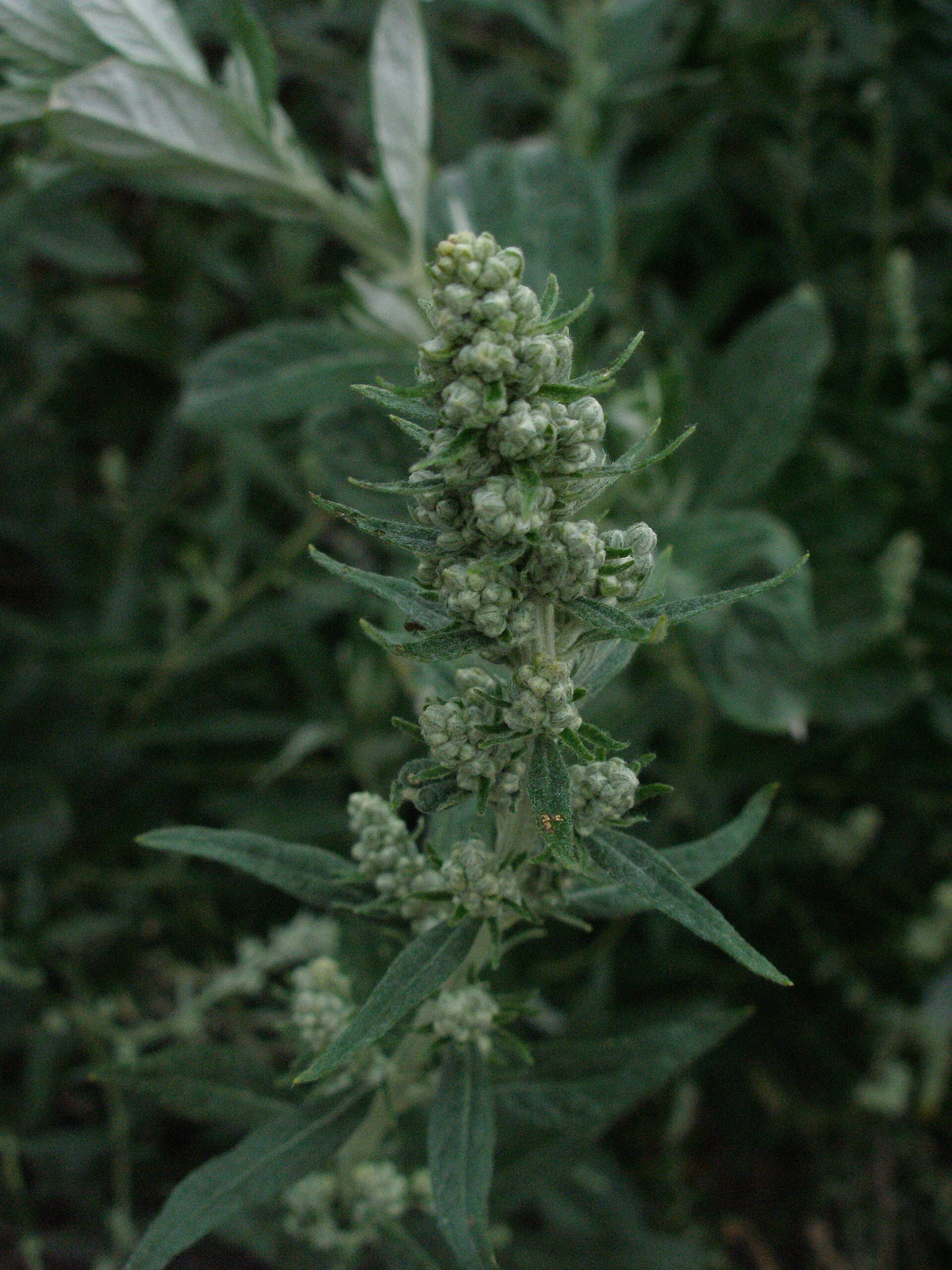
California mugwort (Artemisia douglasiana), one of the native plants Muwekma people have long gathered. Illustrative photo. Photo: stonebird / Wikimedia Commons, CC BY-SA 2.0
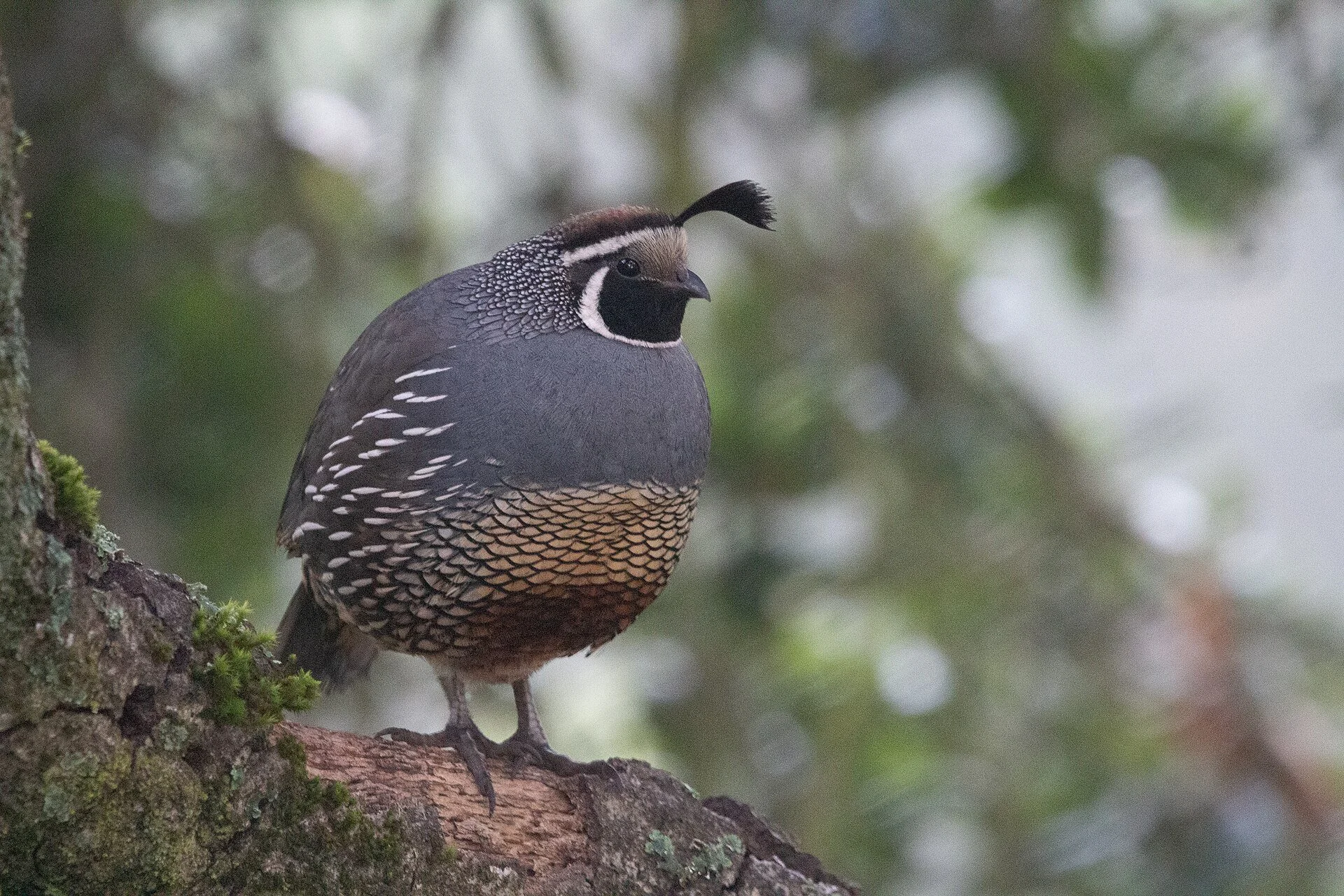
A California quail in Joseph D. Grant County Park, near Bella Madeira. Representative view, not the property. Photo: Karl Voelker / Wikimedia Commons, CC BY-SA 4.0
Help Us Care for Bella Madeira
Getting land back is a beginning, not an ending. Restoring native plants, bringing cultural burning back to the land, raising up young land stewards, and holding ceremony on these hills will take years of work and love. Here is how you can stand with us:
Give. Your gift helps the Foundation care for Bella Madeira and grow the Tribe’s land base. Donate to the Muwekma Ohlone Preservation Foundation.
Take action. Add your voice to the Tribe’s fight for federal recognition and land return. Take action.
Return more land. If you are a landowner, a conservation organization, or a public agency, learn about land gifts, easements, and partnerships, or write to land@muwekmafoundation.org.
Muwékma means “the People.” These hills have always known us. Thank you for helping us come home.
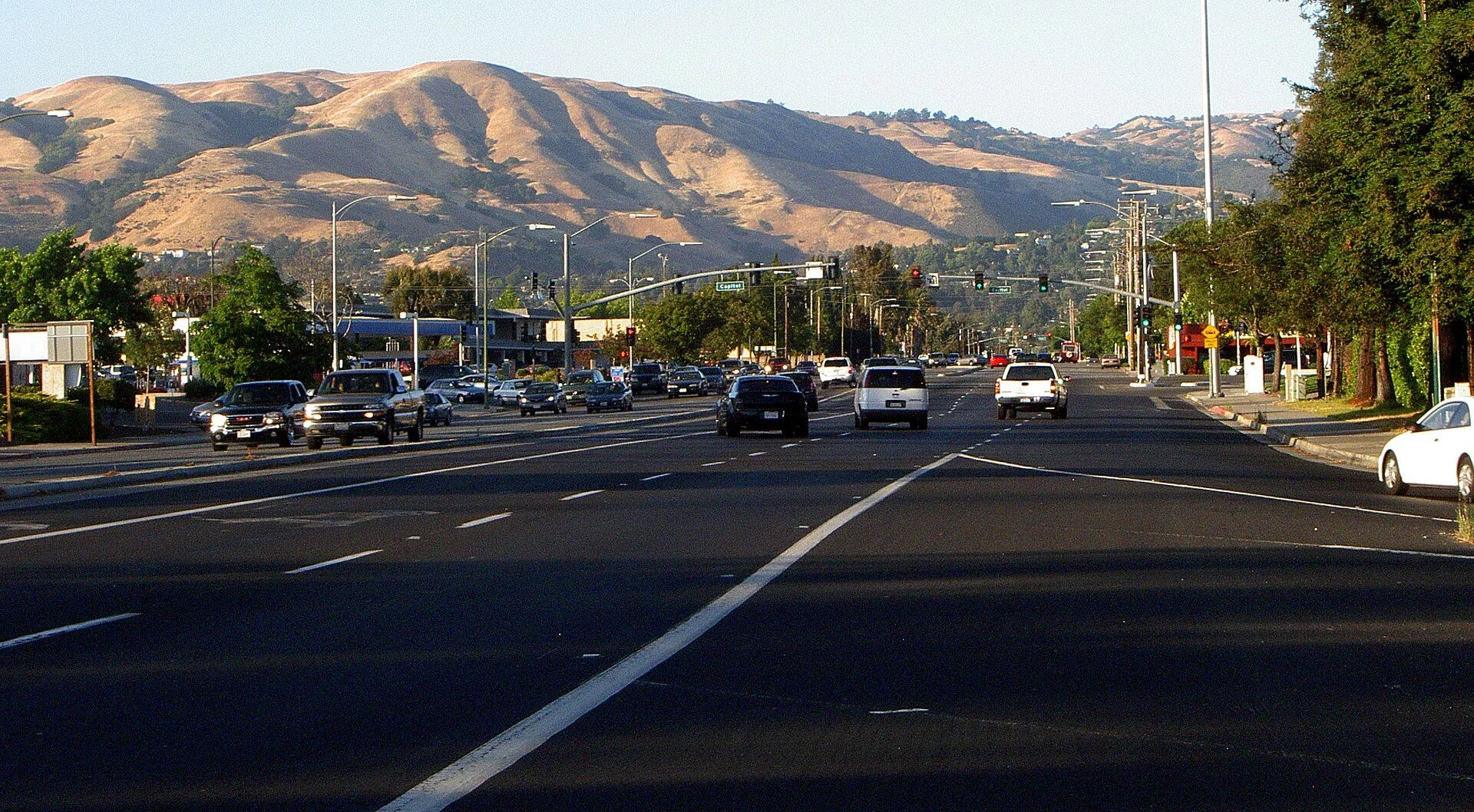
The eastern foothills of San José turn gold in early summer. Representative view, not the Bella Madeira property. Photo: XAtsukex / Wikimedia Commons, CC BY 3.0