
Tasked by the Tribe.
Accountable to the land.
The Land Acquisition Committee is a standing subcommittee of the Muwekma Ohlone Preservation Foundation Board of Directors. It was established at the direction of the Muwekma Ohlone Tribe to strategically identify, acquire, and hold land in perpetuity for the direct benefit of the Tribe and the advancement of its wide-ranging strategic objectives.
The Committee operates with the understanding that land is not a commodity but a sacred relative — the foundation upon which cultural continuity, ecological health, community resilience, and sovereign self-determination rest. All acquisitions are pursued in close coordination with Tribal leadership and in alignment with the Tribe’s vision for rematriation, cultural revitalization, and long-term stewardship.
Strategic Objectives for Every Acquisition
Each parcel is evaluated not only for its ecological and cultural value, but for its capacity to advance the full spectrum of the Tribe’s priorities.
Restoring Balance to the Human-Land Relationship
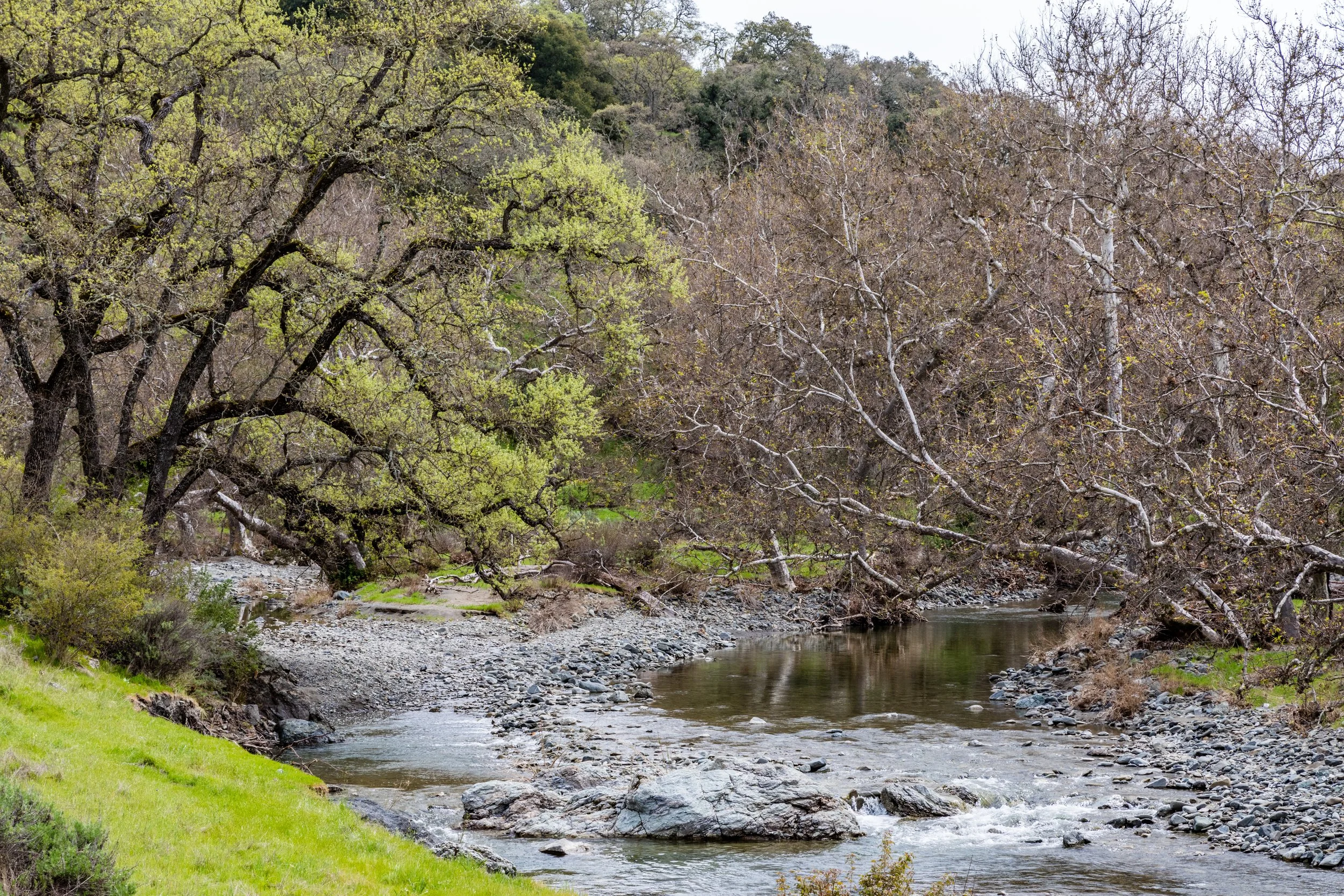
The Muwekma Ohlone Preservation Foundation’s Land Acquisition Committee places high priority on acquiring large, connected landscapes for restoration of sustainable human–land relationships. These lands safeguard core ancestral territories, protect ecosystems, preserve scenic and cultural resources, and maintain the ecological integrity of the San Francisco Bay Area and greater Diablo Range region for future generations.
Landscape-scale acquisitions create protected areas that support biodiversity hotspots, critical watersheds, wildlife corridors, and the long-term health of oak woodlands, grasslands, shrublands, riparian zones, and coastal interfaces. They provide buffers against climate impacts and urban encroachment while enabling large-scale restoration and traditional land care practices. Held in perpetuity by the Foundation for the benefit of the Tribe, these lands form the backbone of a resilient, interconnected network of protected territories.
Restoring balance to the human–land relationship is foundational to Muwekma Ohlone sovereignty and cultural continuity. These vast landscapes allow for the full expression of traditional lifeways, including seasonal gathering, ceremony, and spiritual connection to place. They ensure that the Muwekma people can continue their role as caretakers of the land, passing on knowledge and responsibilities to youth while contributing to regional conservation goals through Indigenous-led stewardship.
By strategically acquiring lands, the Committee advances the Tribe’s vision of large-scale rematriation and protected cultural landscapes — including contributions toward proposals such as an Muwekma Ohlone National Park. These conserved lands become living legacies: places where biodiversity thrives, cultural practices endure, and the Muwekma Ohlone people maintain a permanent, sovereign presence as the original stewards of this territory.
Wildlife Protection & Habitat Restoration
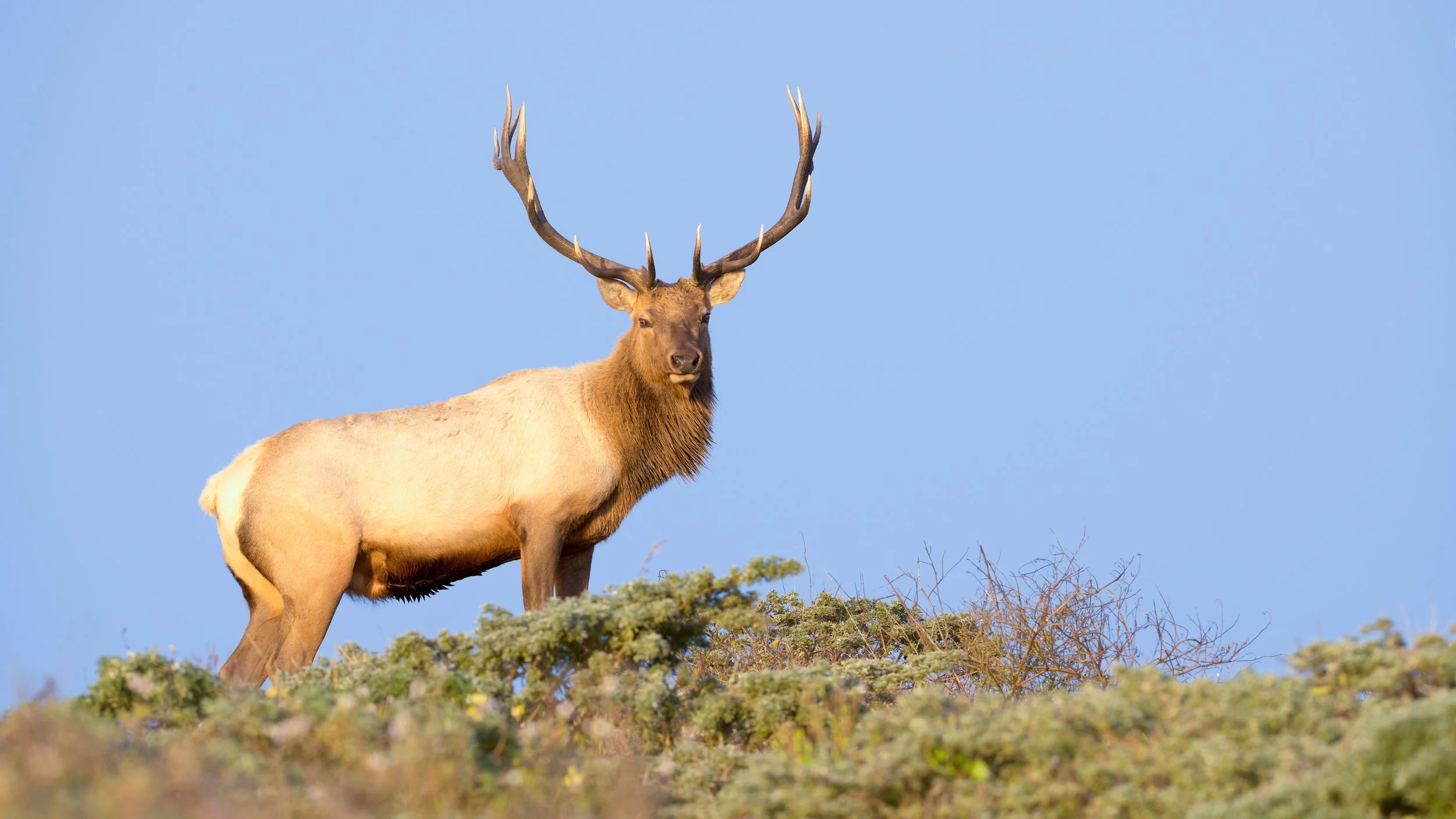
The Muwekma Ohlone Preservation Foundation’s Land Acquisition Committee prioritizes the acquisition of lands critical for wildlife protection and habitat restoration. These sites support the recovery of culturally significant species — including Tule Elk, beaver, salmon, and a rich diversity of birds, pollinators, and native plants — while re-establishing healthy, connected ecosystems across Muwekma ancestral territories.
Acquired lands enable large-scale habitat restoration through Indigenous-led practices such as cultural burning, riparian planting, oak woodland regeneration, and the creation of wildlife corridors. They protect essential watersheds, wetlands, and migration routes, enhancing biodiversity and climate resilience. By holding these lands in perpetuity, the Committee ensures long-term protection from development while creating opportunities for community involvement in monitoring, restoration work, and traditional resource management.
Wildlife protection and habitat restoration are inseparable from Muwekma cultural survival. Many species hold deep spiritual, ceremonial, and practical importance; their return signals the healing of the land and the strengthening of reciprocal relationships between people and all living beings. These efforts also support educational programs for tribal youth, research partnerships grounded in Traditional Ecological Knowledge, and the broader vision of protected cultural landscapes.
Through strategic land acquisition, the Committee advances a model of Indigenous-led conservation that benefits the entire region. These protected lands become thriving sanctuaries where wildlife flourishes, habitats are restored to balance, and the Muwekma Ohlone people can once again live in right relationship with their animal relatives and the ecosystems that have sustained them since time immemorial.
Revival of Native Food Systems
Acquired lands enable the restoration of oak woodlands, riparian corridors, and grasslands where culturally significant food plants can flourish. They support community harvesting, acorn processing, native gardens, and educational programs that teach youth traditional foodways, seasonal rounds, and sustainable harvesting practices rooted in reciprocity and respect. By holding these lands in perpetuity, the Committee ensures long-term food sovereignty, improved nutritional health, and the continuation of food-centered ceremonies and cultural practices.
Native food systems are foundational to Muwekma identity, health, and resilience. They reconnect families with the land, reduce dependence on industrialized food systems, and strengthen intergenerational bonds through shared harvesting, processing, and meals. These sites also integrate with broader stewardship goals — enhancing biodiversity, supporting pollinators and wildlife, and demonstrating the value of Indigenous land management for climate adaptation and ecological restoration.
Through strategic land acquisition for native food systems, the Committee advances the Tribe’s vision of self-determination and cultural revitalization. These lands become vibrant centers of life and learning — places where the Muwekma Ohlone people can once again gather, prepare, and share the foods of their ancestors, nourishing both body and spirit while fulfilling responsibilities to the land that has always provided for them.
Cultivation of Medicinal Plants
Medicinal plant gardens and gathering areas on acquired lands enable the revival and expansion of traditional pharmacopeia, supporting physical, spiritual, and emotional wellness for tribal members. They serve as living repositories of knowledge, where elders can teach youth the identification, respectful harvesting, preparation, and ceremonial uses of plants. By securing these lands in perpetuity, the Committee ensures long-term access free from contamination, development pressure, or over-harvesting, while integrating traditional ecological knowledge with careful land management practices such as cultural burning and habitat restoration.
This work is deeply interconnected with broader tribal goals of food sovereignty, cultural revitalization, and environmental health. Medicinal plant cultivation sites often overlap with native food systems (mak-’amham) and ceremonial areas, creating multi-functional landscapes that strengthen community resilience and self-determination. They also position the Muwekma Ohlone Tribe as leaders in Indigenous-led conservation and ethnobotany, opening opportunities for research partnerships, educational programs, and the sharing of knowledge with allies who respect tribal intellectual property and protocols.
Through strategic land acquisition for medicinal plants, the Committee helps restore the intimate relationship between the Muwekma Ohlone people and the plant relatives that have provided healing for thousands of years. These lands become sanctuaries of continuity — places where ancestral wisdom is actively practiced, where future generations can learn to care for the medicines of the earth, and where the land itself is healed through reciprocal stewardship.
Environmental Research & Indigenous Science
Acquired research lands support partnerships with universities, conservation organizations, and tribal scientists to monitor watersheds, restore native habitats, study the impacts of cultural burning, track culturally significant species such as Tule Elk, and test innovative approaches like fog harvesting and native plant cultivation. By providing secure, long-term access to ancestral territories, the Committee ensures that research is conducted under tribal leadership and benefits the Muwekma Ohlone people first and foremost — informing land management decisions, strengthening federal and state advocacy, and contributing to broader ecological knowledge.
This work embodies the principle of reciprocity: the land that has taught the Muwekma Ohlone people for millennia now becomes a space where Indigenous science can flourish and guide future generations. Research sites also double as outdoor classrooms for youth education, language revitalization tied to the natural world, and community-based monitoring programs that empower tribal members as stewards and knowledge keepers.
Through land acquisition for environmental research and Indigenous science, the Committee helps build the evidence base needed to protect larger cultural landscapes, secure grants and policy support, and demonstrate the superior outcomes of Indigenous-led conservation. These lands become bridges between ancient wisdom and modern challenges — ensuring that Muwekma Ohlone knowledge systems remain vibrant, respected, and central to the stewardship of the San Francisco Bay Area’s natural heritage for generations to come.
Tribal Housing & Community Resilience
Tribal housing initiatives on acquired lands will support multi-generational living arrangements that honor Ohlone values — incorporating traditional architectural elements, native plant landscaping for food and medicine, and designs that integrate cultural practices into daily life. These spaces foster community cohesion, elder care, youth mentorship, and the everyday practice of language, ceremony, and traditional lifeways. By securing land for housing, the Committee addresses the long-term impacts of displacement and supports the Tribe’s vision of a permanent, thriving presence on its homelands.
Beyond housing, these acquisitions advance broader community resilience. They create opportunities for economic development tied to land stewardship (such as native food systems, eco-tourism, and cultural education programs), climate adaptation through traditional ecological knowledge, and strengthened intergovernmental and philanthropic partnerships. All development will be guided by tribal leadership to ensure ecological sustainability, cultural appropriateness, and alignment with the Tribe’s strategic goals for sovereignty and self-determination.
Acquiring land for tribal housing and community resilience is a vital step toward reversing historical dispossession and building a future where the Muwekma Ohlone people can fully exercise their inherent rights to live, thrive, and care for the land as their ancestors have for millennia. These lands will serve as anchors of stability, healing, and prosperity — places where families grow strong, culture flourishes, and the next generations inherit not only stories of survival but the reality of home on their own territory.
Dignified Reburial of Ancestral Remains
These lands will often serve as permanent, dignified resting places where ancestors can be returned to the earth with proper ceremony and care. Reburial sites are chosen for their cultural significance, privacy, and ecological suitability, ensuring they remain undisturbed in perpetuity. The Committee works closely with tribal spiritual leaders, Most Likely Descendants, and cultural resource experts to uphold traditional practices, support repatriation efforts from institutions, and facilitate healing ceremonies that honor the ancestors and strengthen the living community.
Acquiring land for reburial is more than a logistical responsibility — it is an act of justice, cultural revitalization, and reciprocity. It allows the Muwekma Ohlone people to fulfill their obligations to those who came before, heal intergenerational trauma caused by dispossession and disturbance of burial sites, and restore balance to the relationship between the people and the land. Once established, these sacred sites are held in trust by the Foundation for the benefit of the Tribe, protected from future development or desecration.
By prioritizing reburial lands within the Tribe’s ancestral territories, the Committee advances the broader vision of rematriation: returning not only the living but also the ancestors to their rightful home. Every protected site becomes a place of reverence, resilience, and continued spiritual connection — ensuring that future generations can visit, honor, and learn from the ancestors who have walked this land for millennia.
Ceremony and the Tribe's Spiritual Life
Access to such lands is foundational to the practice of innu heeme (culture) and the fulfillment of reciprocal responsibilities to the land and all of Creation. Secure sites allow for uninterrupted ceremonies, the safe transmission of spiritual knowledge from elders to youth, the harvesting of traditional materials, and the maintenance of fire-keeping and other time-honored protocols. By acquiring and holding these lands in perpetuity, the Committee helps ensure that spiritual practices can occur with dignity, privacy, and freedom from external interference.
This work is central to rematriation and sovereignty. It counters generations of disconnection caused by land loss and supports the revitalization of living traditions that sustain Muwekma identity. Ceremonial lands also serve as gathering places for the broader community — enabling youth education, elder gatherings, seasonal observances, and the strengthening of bonds between people, ancestors, and the natural world.
Through thoughtful acquisition and stewardship grounded in Traditional Ecological Knowledge, the Committee helps restore the conditions for the Muwekma Ohlone people to thrive spiritually on their ancestral homelands. These sites become living sanctuaries where culture is not only preserved but actively lived, ensuring that future generations can continue the sacred work of their ancestors in relationship with the land that has always cared for them.
A principled, strategic approach.
Close Coordination with Tribal Leadership
Every opportunity is evaluated against the current strategic priorities of the Muwekma Ohlone Tribe. The Committee does not act independently; it serves as an instrument of the Tribe’s will.
Flexible Legal Structures
We pursue fee-simple title for lands requiring active cultural use or community development, and conservation easements where permanent protection with compatible uses best serves long-term goals. All structures ensure the land remains under the beneficial ownership of the Tribe in perpetuity.
Strategic Geographic Focus
Priority is given to lands within core ancestral territories of the Muwekma Ohlone people — particularly the San Francisco Bay Area and the greater Diablo Range / Tuuyshtak region — with an eye toward contributing to larger protected cultural landscapes such as the Tribe’s vision for a Muwekma Ohlone National Park.
Partnership & Collaboration
We work respectfully with willing landowners, conservation organizations, public agencies, and philanthropic partners who understand that Indigenous-led stewardship produces the highest ecological and cultural outcomes.
Transparent. Accountable. Grounded in reciprocity.
The Land Acquisition Committee reports directly to the full Board of Directors of the Muwekma Ohlone Preservation Foundation. All major decisions require Board approval and are made in alignment with guidance from the Muwekma Ohlone Tribe’s elected leadership.
Members of the Committee bring together deep expertise in land trust operations, conservation finance, Indigenous law and policy, ecology, real estate, and — most importantly — traditional Muwekma Ohlone knowledge systems and lived experience on the land.
Regular public reporting on acquisitions, stewardship activities, and fund utilization ensures transparency to tribal members, donors, and partners. The Foundation’s land holdings are managed as a sacred trust for the benefit of the Muwekma Ohlone people, not as an institutional asset.
Building a lasting land base for cultural resurgence.
Through strategic acquisitions, the Committee contributes to the Tribe’s broader vision of a permanent, protected land base that supports ceremonies, language revitalization, youth education, elder gatherings, native food and medicine gardens, ecological research, and — eventually — culturally appropriate housing that allows the Muwekma Ohlone people to live once again in relationship with their ancestral lands.
Presidio Rematriation — Supporting the Tribe’s historic petition for the return of the Presidio as a foundational act of justice and cultural restoration.
Diablo Range / Tuyshtak Vision — Contributing to large-scale protected cultural landscapes that honor 10,000+ years of continuous Ohlone presence.
Priority Acquisitions — Focused opportunities in the East Bay, South Bay, and Peninsula that enable immediate cultural access, habitat restoration, and long-term community benefit.
Help us bring ancestral lands home.
Your support — whether through donation, land gift, or partnership — directly advances the Tribe’s ability to care for the land as it has cared for us since time immemorial.
Donate to the Land Fund
Your tax-deductible gift supports due diligence, acquisition costs, legal fees, and long-term stewardship of newly acquired lands.
Donate Land or an Easement
Landowners who gift property or place a conservation easement with the Foundation may receive significant tax benefits, including:
Deduction of fair market value
Avoidance of capital gains tax
Estate tax relief & legacy planning
State tax credits where available
Partner or Introduce an Opportunity
We welcome conversations with private landowners, conservation organizations, public agencies, foundations, and individuals who share our commitment to Indigenous-led land return and stewardship in the San Francisco Bay Area and beyond.
The Land Acquisition Committee
-
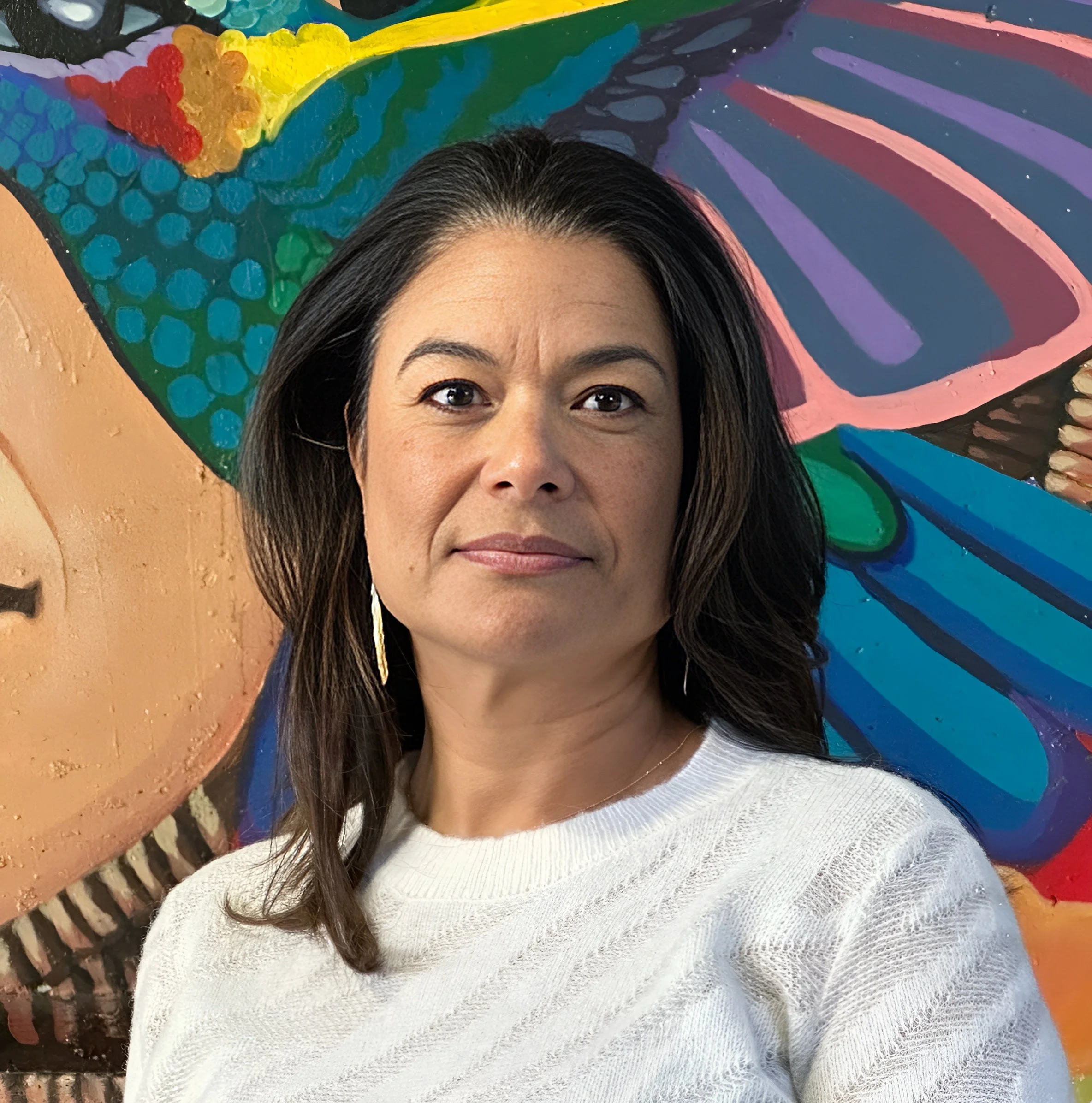
Charlene Nijmeh
Charlene C. Nijmeh, President of the Muwekma Ohlone Preservation Foundation and Chairwoman of the Muwekma Ohlone Tribe of the San Francisco Bay Area, steers initiatives in cultural revitalization, land stewardship, and education for the Tribe. Elected Chairwoman in 2018, she upholds her mother Rosemary Cambra's 40-year legacy as the former Chairwoman. Charlene represents the eighth generation of a direct matrilineage back to intermarried ancestors who were missionized into Missions San Francisco and San Jose from the Jalquin/Yrgin, Saclan, Napian/Carquin, and Ilamne tribes from the greater San Francisco Bay Area. Her direct ancestors were members of the historic Verona Band which became federally recognized under the Congressional California Homeless Indians Acts of 1906 and Later years, as well as other federal actions. Her grandmother and mother were also enrolled with the Bureau of Indian Affairs under the 1928 California Indian Jurisdictional Act.
-
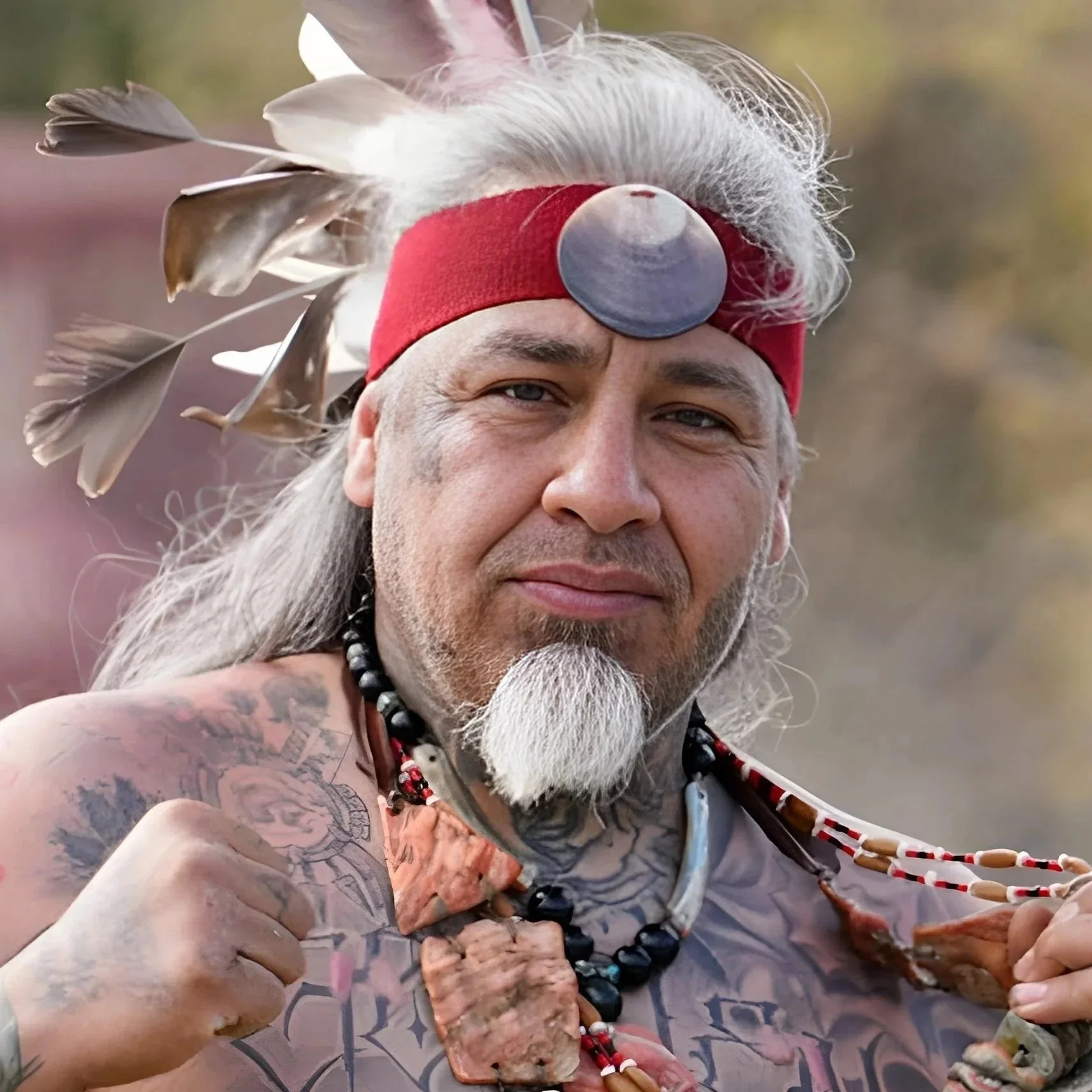
Joseph Torres
Joseph Torres, Muwekma Ohlone Culture Bearer, Dance Captain, and Board Member of the Preservation Foundation,. Joseph’s great-grandmother Dolores Sanchez was born on the Sunol Rancheria in 1911 and baptized at Mission San Jose in 1912 along with other tribal members until the 1920s. In 1932, Dolores Sanchez enrolled with her siblings with the Bureau of Indian Affairs (BIA). Dolores’ mother Ramona Marine was born on the Alisal Rancheria in 1893. They along with the other lineages of the Verona Band were members of the historic federally recognized tribe. Joseph’s grandmother Julie Lopez and his mother Geraldine Torres were also enrolled with the BIA. In following in the footsteps of his tribal ancestors. A spiritual leader, he mentors youth in song, dance, and regalia-making, organizing gatherings and securing lands for ceremonies. He is a father of three children, he embodies artistry, music, and cultural vitality as a Traditional California Native dancer.
-
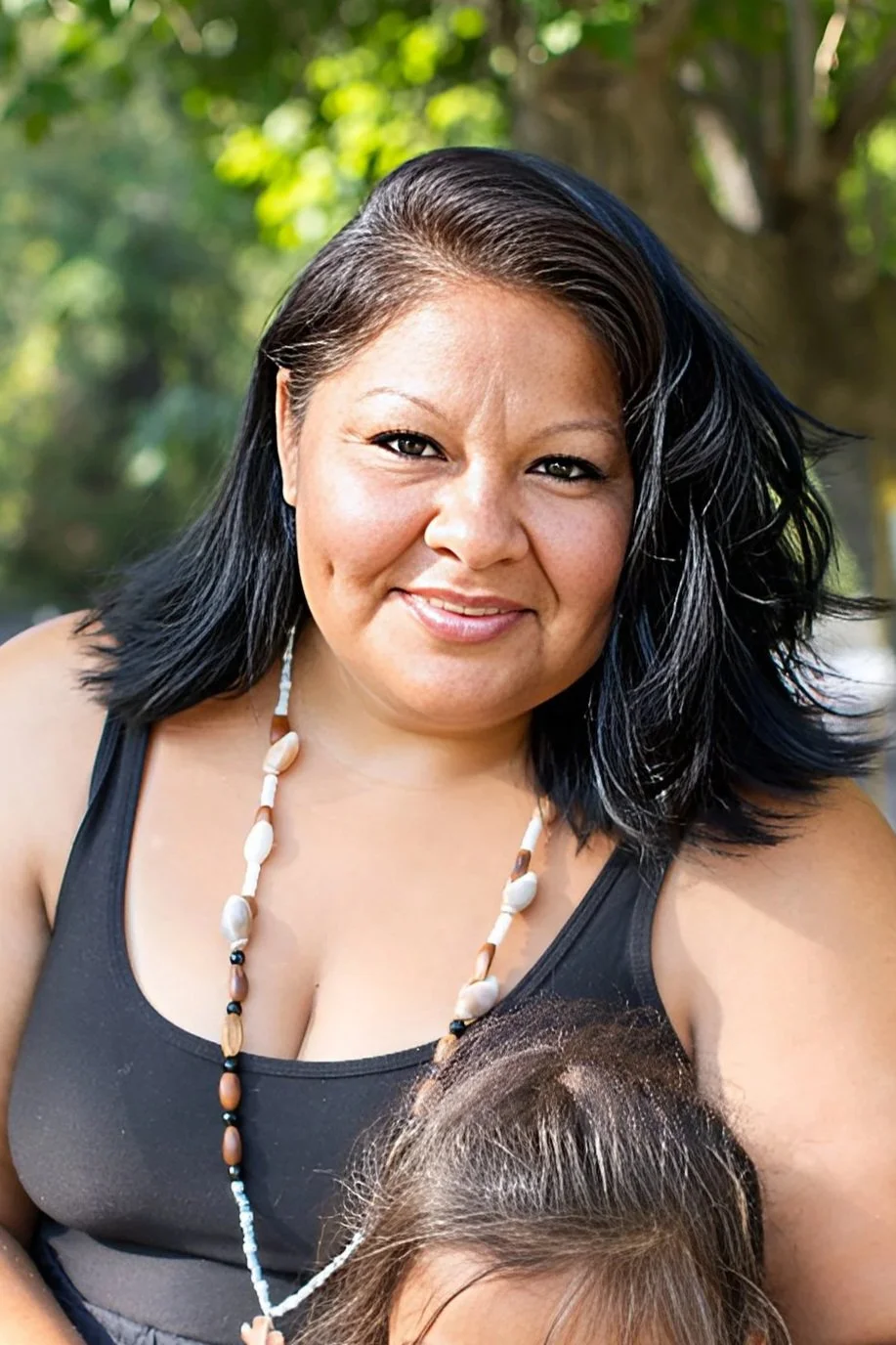
Bernadette Quiroz
Bernadette Quiroz, Muwekma Ohlone Tribal Member and Board Member of the Preservation Foundation, chairs Language Revitalization efforts to revive the endangered Chochenyo language through innovative online tools and cultural integration. Bernadette’s great-grandmother Dolores Sanchez was born on the Sunol Rancheria in 1911 and baptized at Mission San Jose in 1912. Dolores enrolled with her siblings in 1932 with the Bureau of Indian Affairs. Dolores’ mother Ramona Marine was born on the Alisal Rancheria in 1893. Both were members of the historic federally recognized Verona Band. Bernadette is a passionate mother of three, she supports fundraising and cherishes hearing her people speak their native tongue.
-
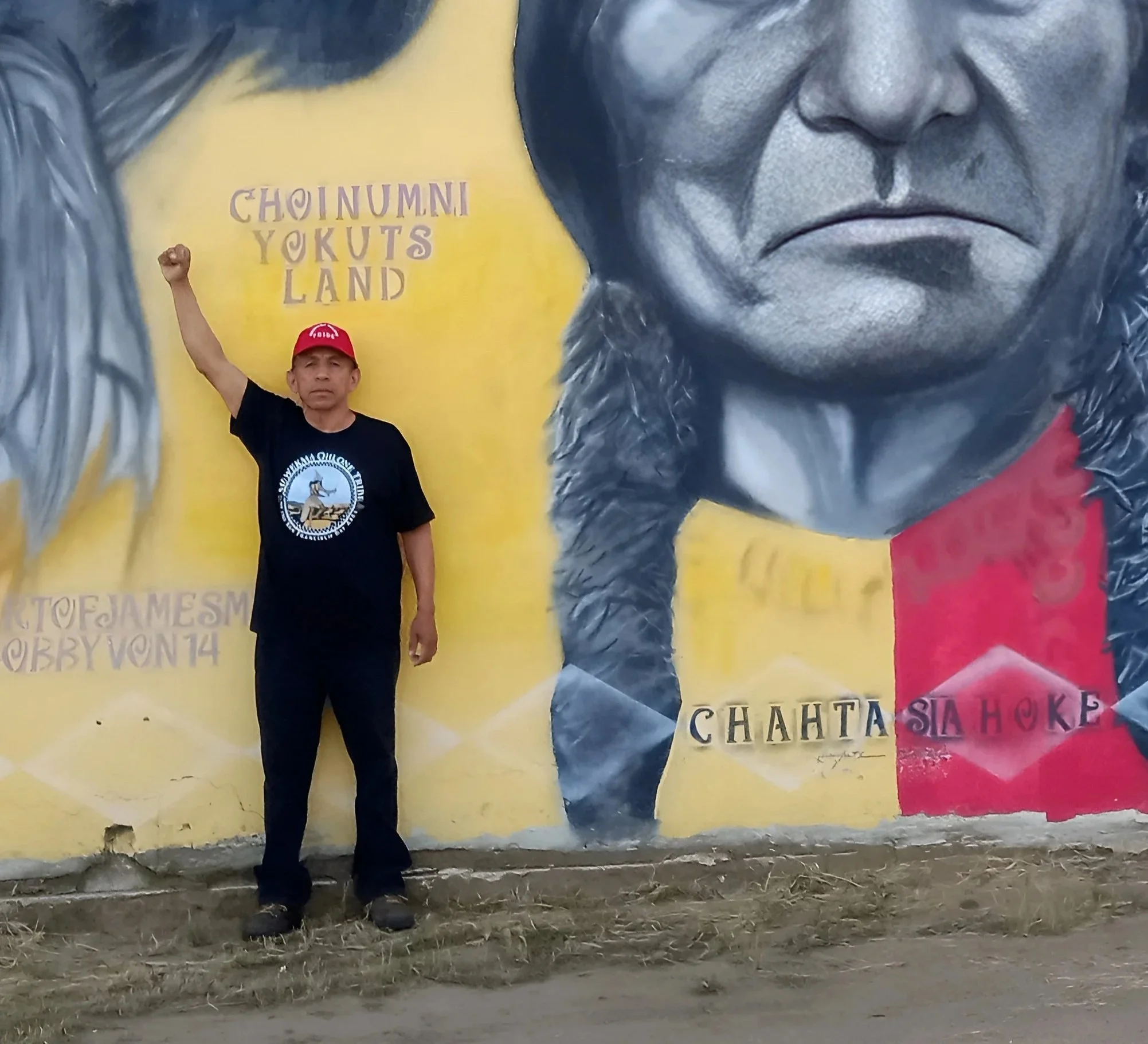
Thomas Martinez
Thomas Martinez of the Marine Sanchez lineage, Board Member of the Muwekma Ohlone Preservation Foundation, is an enrolled tribal member and son of enrolled tribal member Candelario T. Martinez, Dolores Sanchez's eldest son who served in the U.S. Marine Corps during the Korean War in the 1950s. Thomas who is a San Jose native and an honorably discharged Army veteran, has a daughter and granddaughter—dual citizens of Muwekma Ohlone and Tohono O’odham Nations. He delivers food to seniors via a nonprofit and resides in Fresno.
-

Lee Panich
Lee Panich, Board Member of the Muwekma Ohlone Preservation Foundation, is Professor of Anthropology at Santa Clara University. An archaeologist and historical anthropologist, he has collaborated with the Tribe for over 20 years on repatriation, heritage preservation, and federal recognition, employing archaeological, ethnographic, and archival methods to reclaim indigenous histories.
-
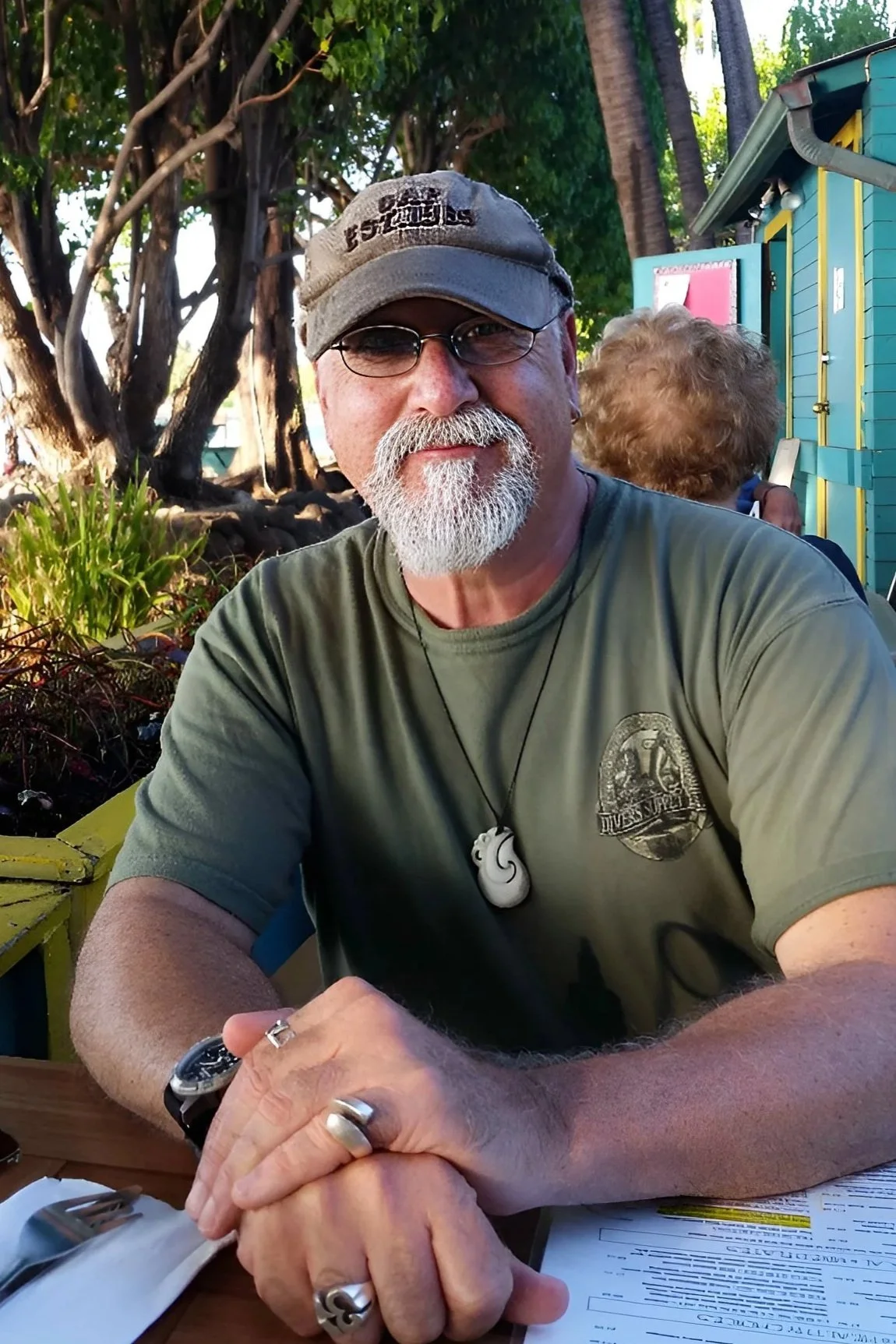
Alan Leventhal, Tribal Ethnohistorian
Alan Leventhal, Board Member and Tribal Ethnohistorian of the Muwekma Ohlone Preservation Foundation, is an Emeritus Lecturer in Anthropology at San Jose State University. For over 42 years, he has partnered with the Muwekma Ohlone Tribe as senior archaeologist, driving repatriation, cultural heritage preservation, and federal recognition through ethnohistorical research, genomics studies, and collaborative exhibits.
-
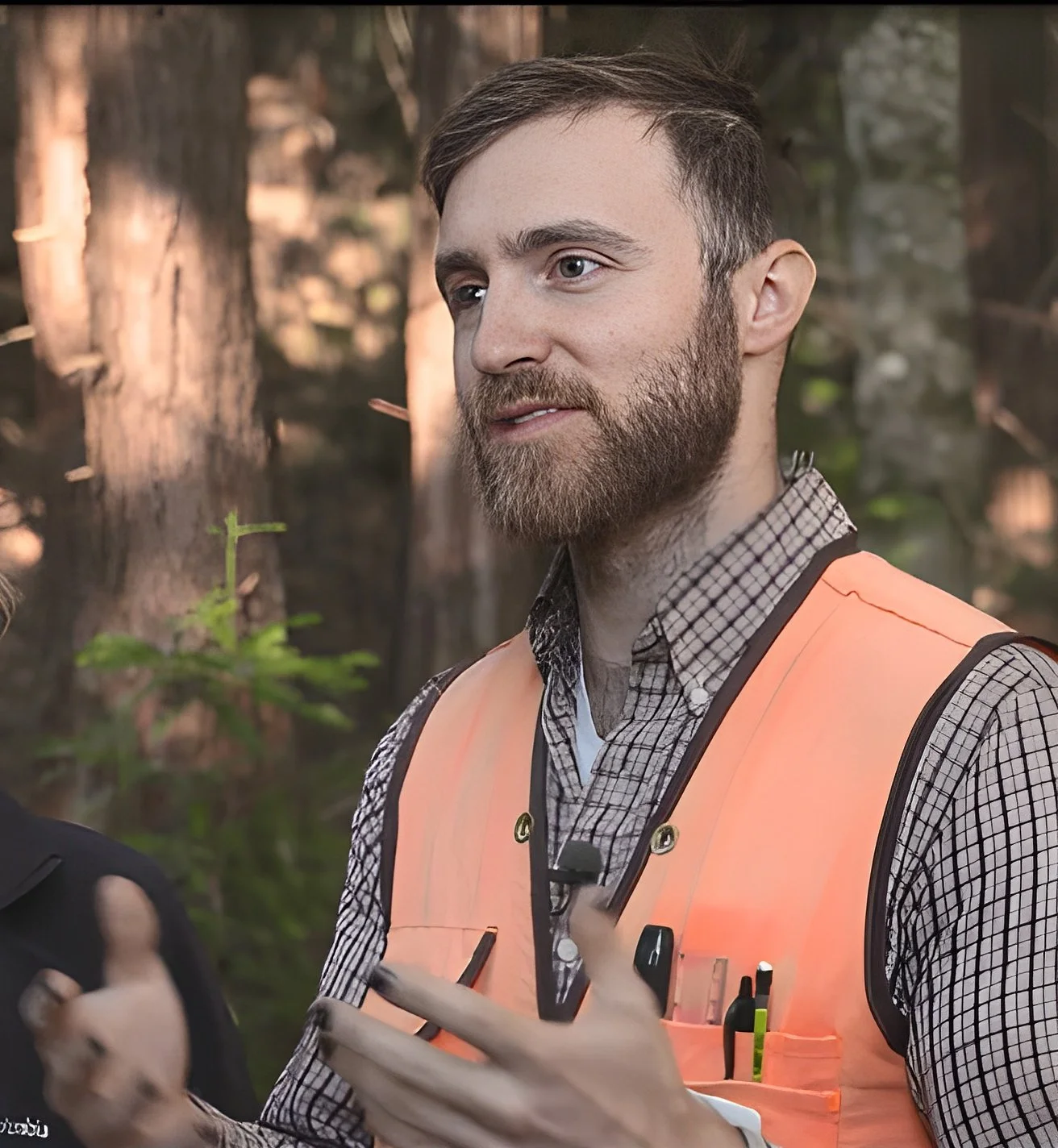
Aaron Hebert
Aaron Hébert, Board Treasurer of the Muwekma Ohlone Preservation Foundation, is an ecologist and Natural Resources Manager at the Santa Clara Valley Open Space Authority. He manages cultural resources with Native American communities, forging Bay Area conservation partnerships and sharing land trust expertise to bolster tribal revitalization and sovereignty.
-
Mike Williams
Bio coming soon
-
Jacob Chavez
Bio coming soon
Our Team
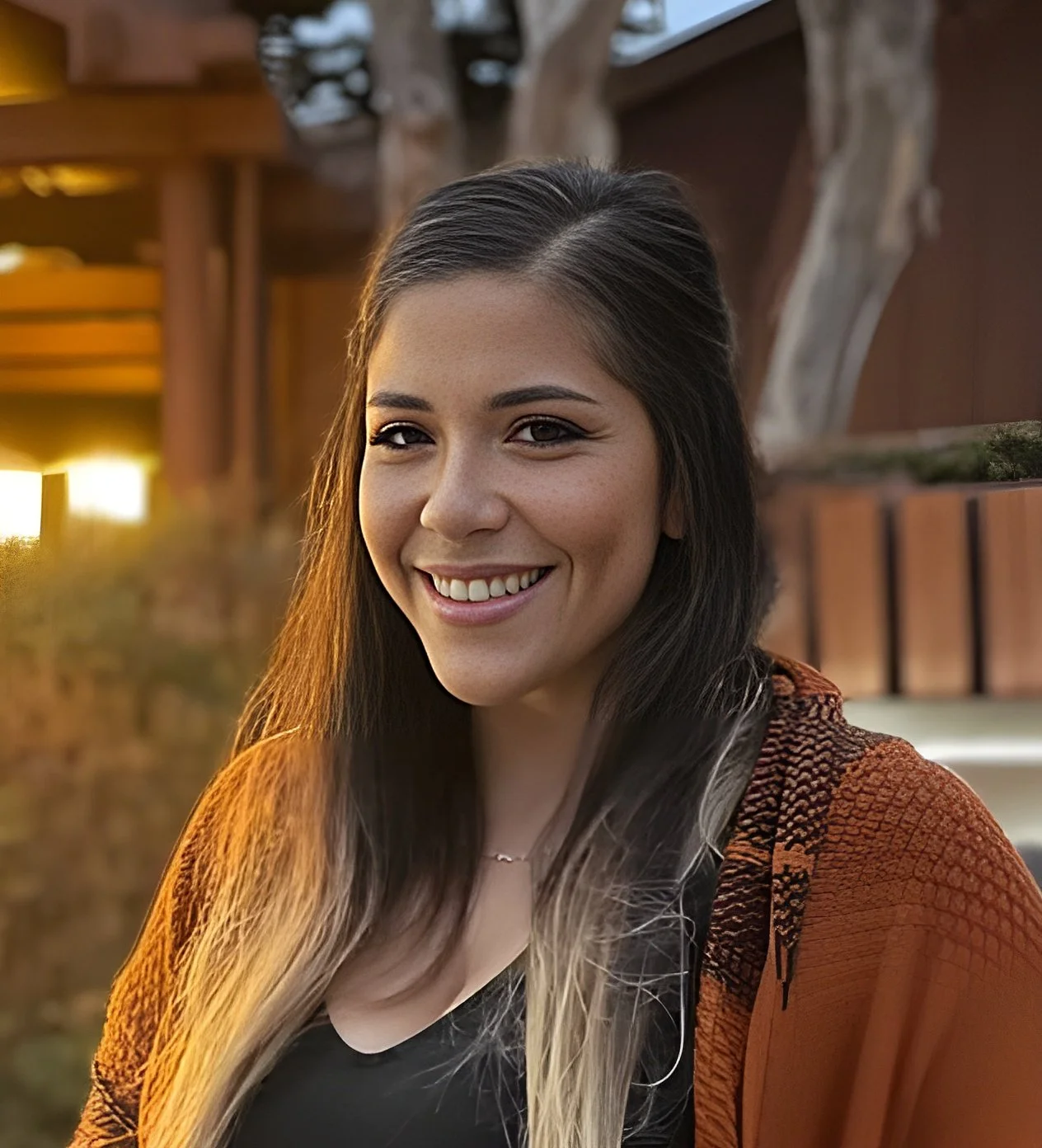
Jill Morales
Jill Morales, Operations Manager at the Muwekma Ohlone Preservation Foundation, joined in 2024 to lead outreach, educational programs, and administration. Expert in business development, graphic design, and conflict resolution, she crafts impactful cultural initiatives for schools and communities, supporting tribal revitalization. A San Martin, CA resident, she advances strategic efforts for indigenous resilience and sovereignty.
jill.morales@muwekmafoundation.org
Operations ManagerReady to help return the land?
The Land Acquisition Committee welcomes inquiries from tribal members, allies, landowners, and partners.