
We’re Not Going Anywhere
In Sacramento last August, state auditors told lawmakers the University of California could take until 2089 to return what it holds. Then the Muwekma Ohlone chairwoman stood up with the next generation behind her and told them what it would take.
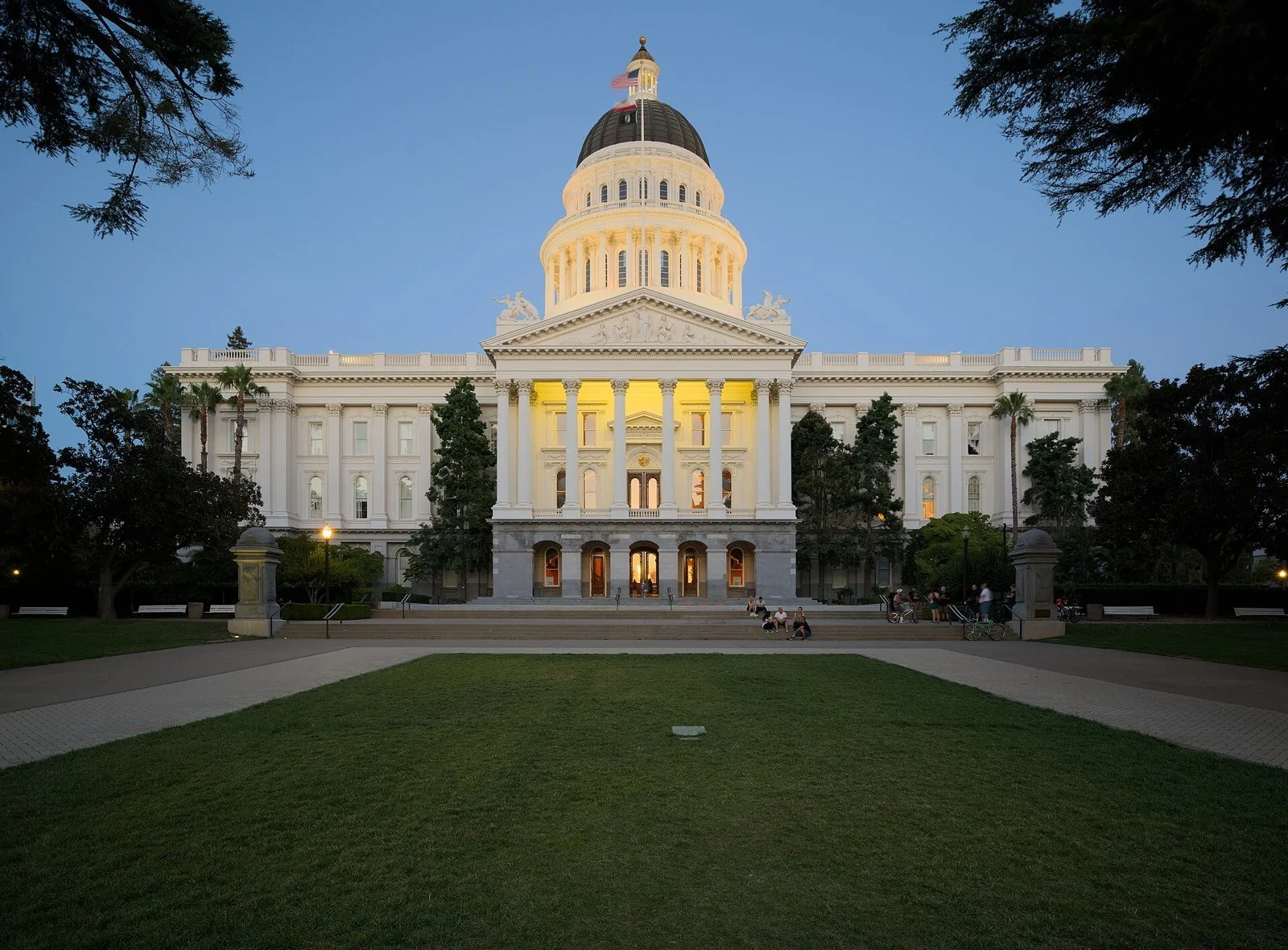
The California State Capitol in Sacramento, where Chairwoman Nijmeh testified on Aug. 4, 2026. Photo: Dllu / Wikimedia Commons, CC BY-SA 4.0
It was hot in Sacramento on Aug. 4, hot enough that a legislator remarked on it while introducing the last panel of the day. Inside the Capitol, two Assembly committees were holding a long joint hearing on a question California has been asking for more than 30 years: Why hasn’t the University of California given the ancestors back?
The Numbers
The hearing brought together the Assembly Select Committee on Native American Affairs, chaired by Assemblymember James Ramos, and the Joint Legislative Audit Committee, chaired by Assemblymember John Harabedian. On the table was the State Auditor’s follow-up on its report 2024-047, which examined UC’s compliance with the federal Native American Graves Protection and Repatriation Act, NAGPRA, and its California counterpart, CalNAGPRA.
The auditor’s figures were blunt. Of 19 recommendations the office had made, 12 were still open a year later. Based on the pace of repatriation from November 2022 to December 2024, the auditor projected that UC San Diego would not finish returning what it holds until 2037. UC Riverside would take until 2041 and UC Santa Barbara until 2053. UC Berkeley, which has the largest collection in the system, would need to triple its rate just to return 75 percent of its holdings by 2089.
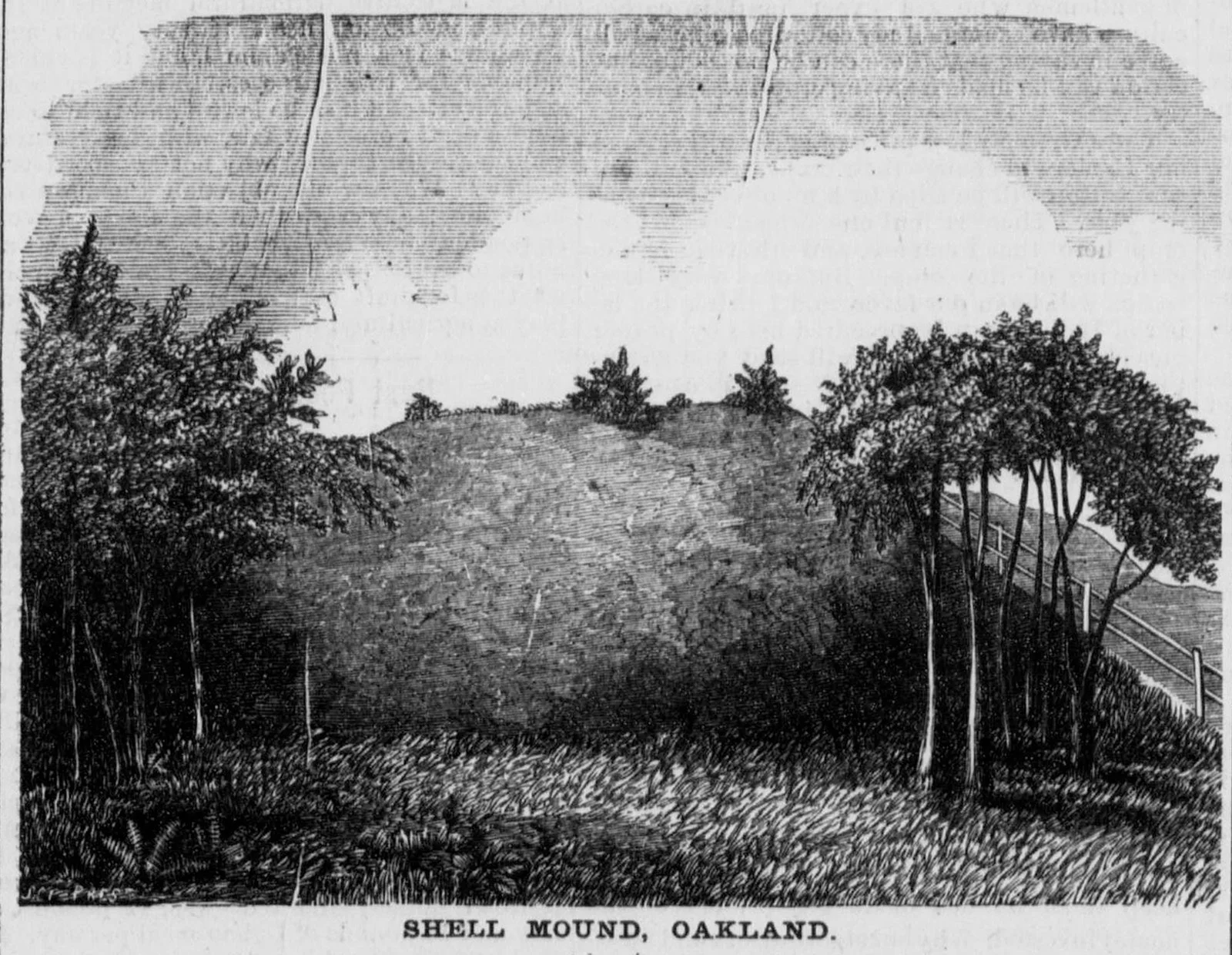
“Shell Mound, Oakland,” an engraving from the Pacific Rural Press, Dec. 26, 1874. Bay Area shellmounds held generations of Ohlone burials, many later dug up and taken to university collections. Illustration: Pacific Rural Press, 1874 / Wikimedia Commons, public domain
A representative from the auditor’s office told the committees that “the UC system has significant work remaining.”
The Chairwoman
Late in the day, Ramos called the final panel of tribal leaders. Among them, alongside leaders from Table Mountain Rancheria, Soboba, Morongo, Santa Rosa Rancheria and Redding Rancheria, was Charlene Nijmeh, chairwoman of the Muwekma Ohlone Tribe of the San Francisco Bay Area.
She began in Chochenyo. Then she introduced her nation as “a sovereign tribe previously recognized as the Verona Band of the Alameda County, never terminated by any act of Congress,” and her people as “the living embodiment of a people who have survived missionization, genocide, forced assimilation, and the deliberate erasure of our federal recognition.”
Before turning to the audit, she answered something Ramos had said that morning about coming back again and again to the same issue. She was 53 years old, she said, and for her people the fight went back to before she was born, “going back to the early sixties to protect our Ohlone Cemetery in Fremont.” Her people have protested and been arrested over it, she said, “because this is how serious we take this.”
Then came the lines at the heart of her testimony. “We are the next generation standing before this body. We’re not going anywhere. I’m that next generation.” And she added: “The people behind me are the next generation.”
“We are the next generation standing before this body. We’re not going anywhere.” —Chairwoman Charlene Nijmeh, Assembly hearing on UC repatriation, Aug. 4, 2026
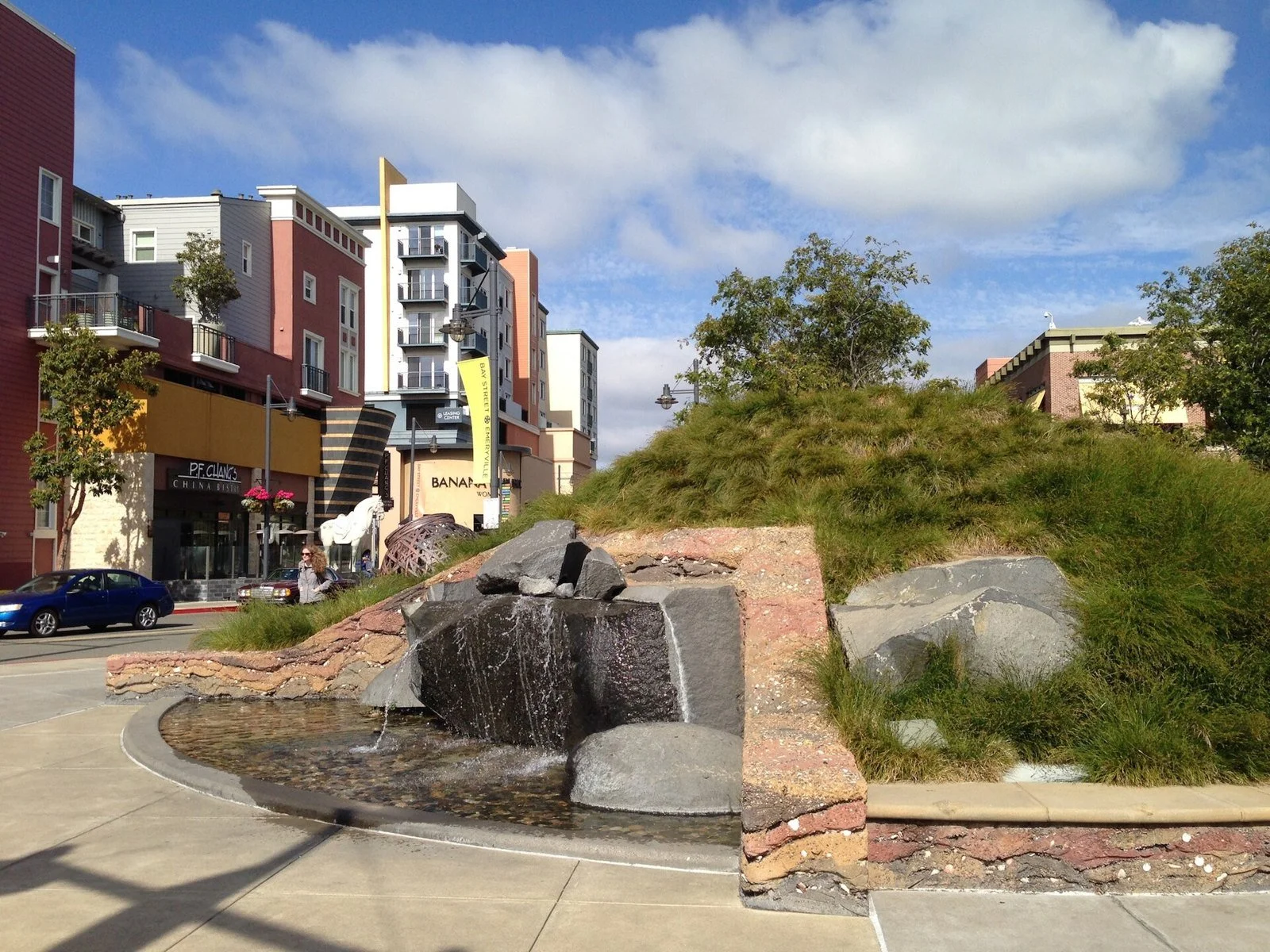
The Emeryville Shellmound memorial, 2015. The mound itself was leveled in the 1920s. Photo: Smerdis / Wikimedia Commons, CC BY-SA 4.0
Credit Where It’s Due, and a Trap
Nijmeh gave credit first. Some institutions had shut the Muwekma out of repatriation, she said, “but others, like Stanford University, repatriated thousands of our ancestors to us before NAGPRA became law.” She also said UC Berkeley “seems to be sincere in their newfound desire to repatriate to Muwekma,” but that “it appears their hands have been tied.”
What tied them, she argued, was the 2024 rewrite of the federal NAGPRA regulations. Under the new rule, museums and federal agencies can no longer return human remains or funerary objects directly to a tribe that isn’t on the federal list. “The 2024 NAGPRA changes severed the lifeline Cal NAGPRA was supposed to provide,” she said. The only option left for a tribe like hers, she said, is to ask federally recognized tribes to include it in a joint claim, “an arrangement that places our sovereignty and our ancestors at the mercy of another government’s goodwill.”
The stakes are specific. “UC Berkeley’s 2023 notice covering more than 4,400 remains and 25,000 items from the San Francisco Bay Area sites, items our tribe has claimed as direct lineal ancestors, now hangs in limbo precisely because of this rule,” she told the committees.
The Ask
Nijmeh did not stop at the complaint. She came with a remedy. Because the 2024 exclusion is a federal rule, she said, it “can be reversed by statute.” Her proposal was a California-specific amendment to federal NAGPRA that writes in the operative text and principles of CalNAGPRA. There is precedent, she noted: “Public law 280 is one clear example of a California specific federal carve out.” Such an amendment, she said, would restore direct pathways for unrecognized tribes and “finally allow Cal NAGPRA to function as a legislator intended.”
Then she asked the Assembly members in the room to help carry it to Washington by calling on Sens. Alex Padilla and Adam Schiff “to introduce and advance this amendment.”
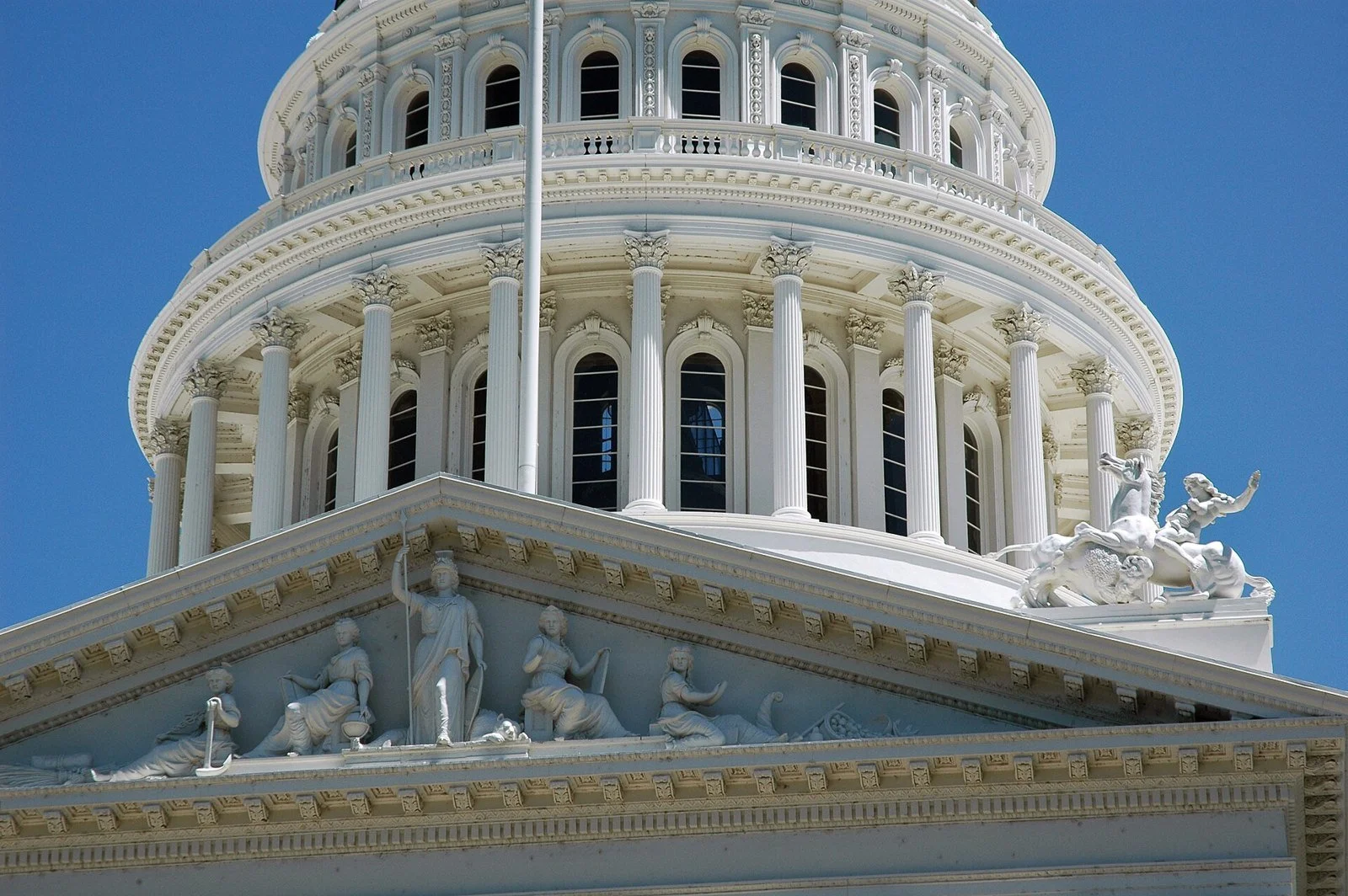
The dome and pediment of the State Capitol. Photo: DimiTalen / Wikimedia Commons, CC0
Bringing Them Home
The hearing made news. KALW, KPBS and the Sacramento Bee all covered it. A few days later, the Tribe posted a video of the chairwoman’s remarks with a few lines that sum up why she went. “Repatriation is more than the return of ancestral remains,” the Tribe wrote. “It is about restoring dignity, honoring our ancestors, and bringing them home to rest on their homeland.” And: “for the Muwekma, bringing our ancestors home is part of bringing our community home.”
The Foundation thanks Assemblymember Ramos for convening the hearing and inviting the Tribe to speak, and the tribal leaders who shared the table. Nijmeh closed with thanks in Chochenyo. The work she described will outlast the committee hearing, and maybe the people in the room, which is why she brought the next generation with her.
Editor’s note: Hearing quotations were checked word for word against the published Digital Democracy transcript of the Aug. 4, 2026 hearing (CalMatters); the Tribe’s words come from its Aug. 10, 2026 post. Charlene Nijmeh is president of the Muwekma Ohlone Preservation Foundation, which publishes this newsletter.