
One Hundred Fifty Acres
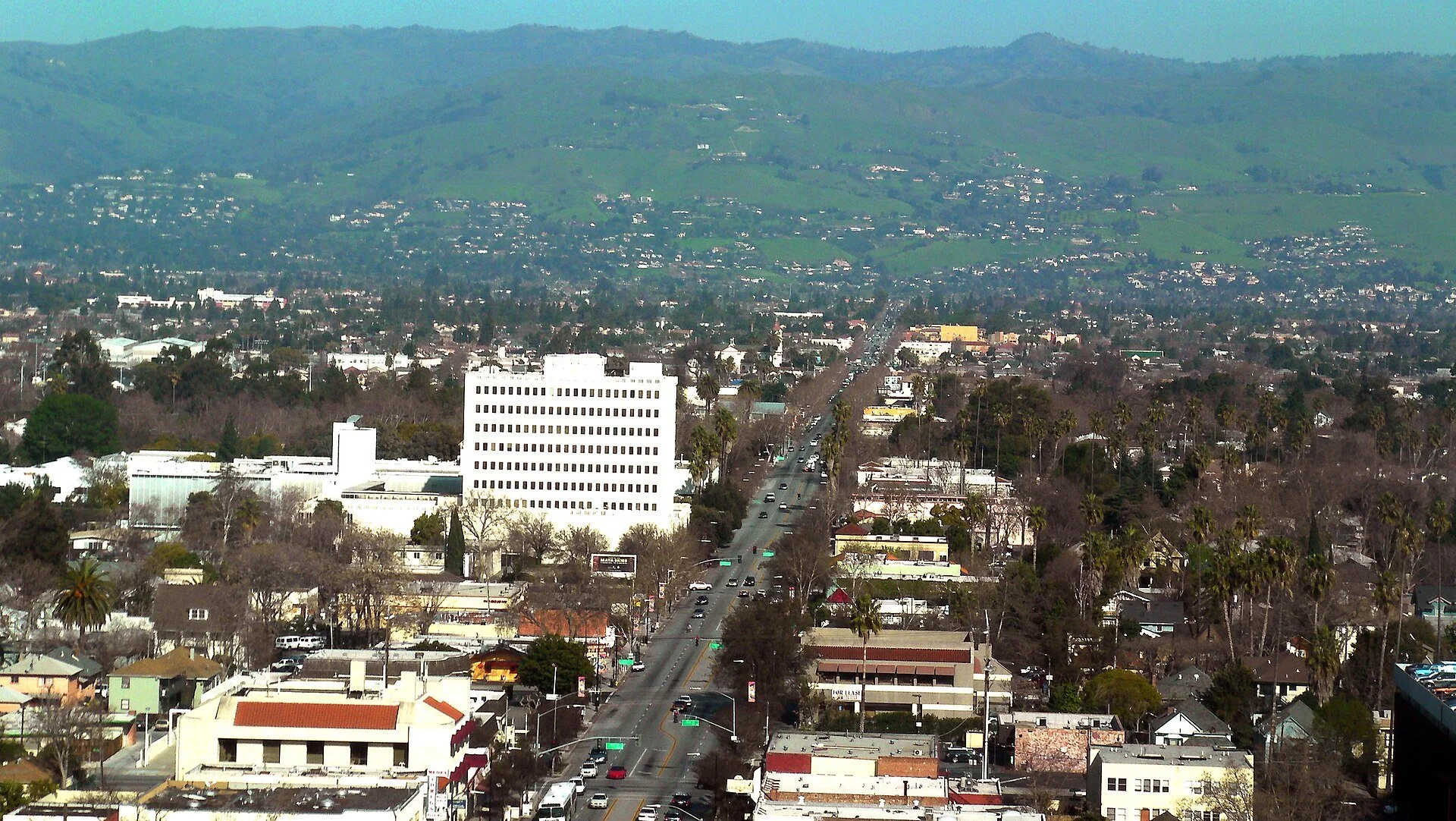
The eastern foothills rise above East San José. Representative view of the landscape around Bella Madeira, not the property itself. Photo: XAtsukex / Wikimedia Commons, CC BY 3.0
For generations, the first people of the Bay Area held no land of their own in their homeland. In August 2026, that changed. The Tribe announced that about 150 acres of grassland in the hills above East San José had come home.
Drive east on Alum Rock Avenue on a clear evening and the foothills fill the windshield, gold in summer and green after the first rains. Not everyone commuting below them knows that the hills were Ohlone country long before they were ranchland, or that the Muwekma Ohlone Tribe, whose ancestors were taken into Missions Santa Clara, San José and San Francisco, has spent the modern era landless in its own homeland.
On Aug. 8, 2026, the Tribe posted a short video of foothill grassland overlooking the city. The caption read: “One hundred and fifty acres of ancestral land have been returned to the Muwekma Ohlone Tribe.”
In the Tribe’s Words
The Tribe’s announcement is worth quoting in full:
“The return of 150 acres of ancestral land is more than the return of a place, it is an act of rematriation, restoring the relationship between the people and their homeland after generations of separation. This land will become a place where culture is strengthened, language is revitalized, ceremonies continue, and future generations can reconnect with the homeland their ancestors have always known. To every Tribal member, ancestor, partner, and supporter who made this moment possible this homecoming belongs to all of you.”
“To every Tribal member, ancestor, partner, and supporter who made this moment possible this homecoming belongs to all of you.” —Muwekma Ohlone Tribe, Aug. 8, 2026
The land is called Bella Madeira.
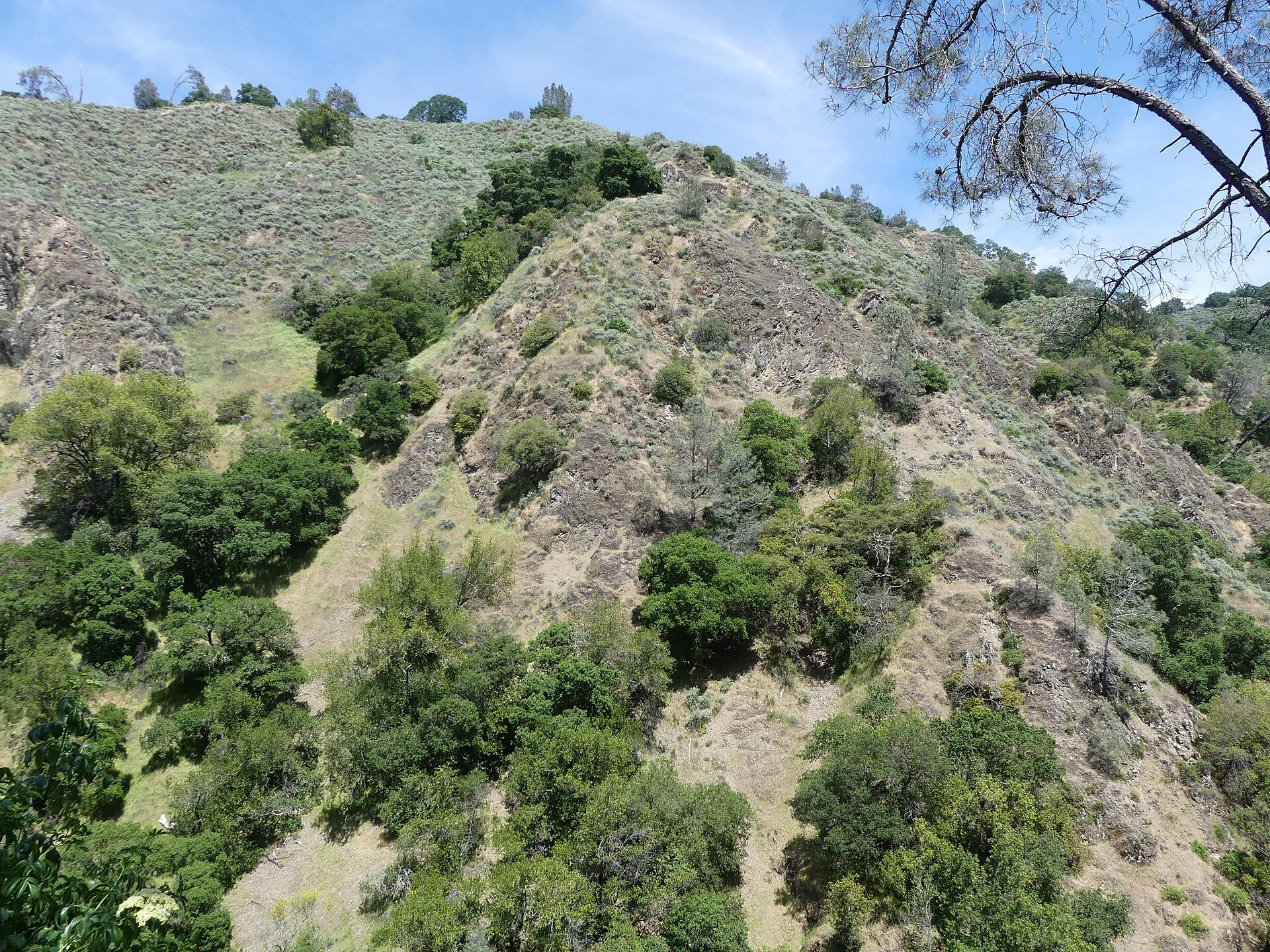
Coast live oak, foothill pine and California sagebrush at nearby Alum Rock Park. Representative view, not the Bella Madeira property. Photo: Advyth Ramachandran / Wikimedia Commons, CC BY-SA 4.0
How It Happened
The path ran through state government, and through a program most Californians have never heard of.
On Oct. 8, 2025, at a meeting in Eureka, the California Strategic Growth Council approved a Department of Conservation recommendation: $4,470,000 from the Sustainable Agricultural Lands Conservation Program, known as SALC, for the Muwekma Ohlone Tribe of the San Francisco Bay Area to buy, in fee title, a property of about 154 acres in the foothills of East San José, bordering the city. SALC protects farmland and rangeland at risk of development, including land tribes use for traditional foods, medicines, fibers and dyes. The money comes from California Climate Investments, funded by the state’s cap-and-invest program.
The state’s review spelled out what was at stake. The property was zoned for rural residential use and could have been carved into five-acre estate lots. Reviewers counted 37 potential development rights the project would retire. They rated it “project ready” and found it qualified for full SALC funding.
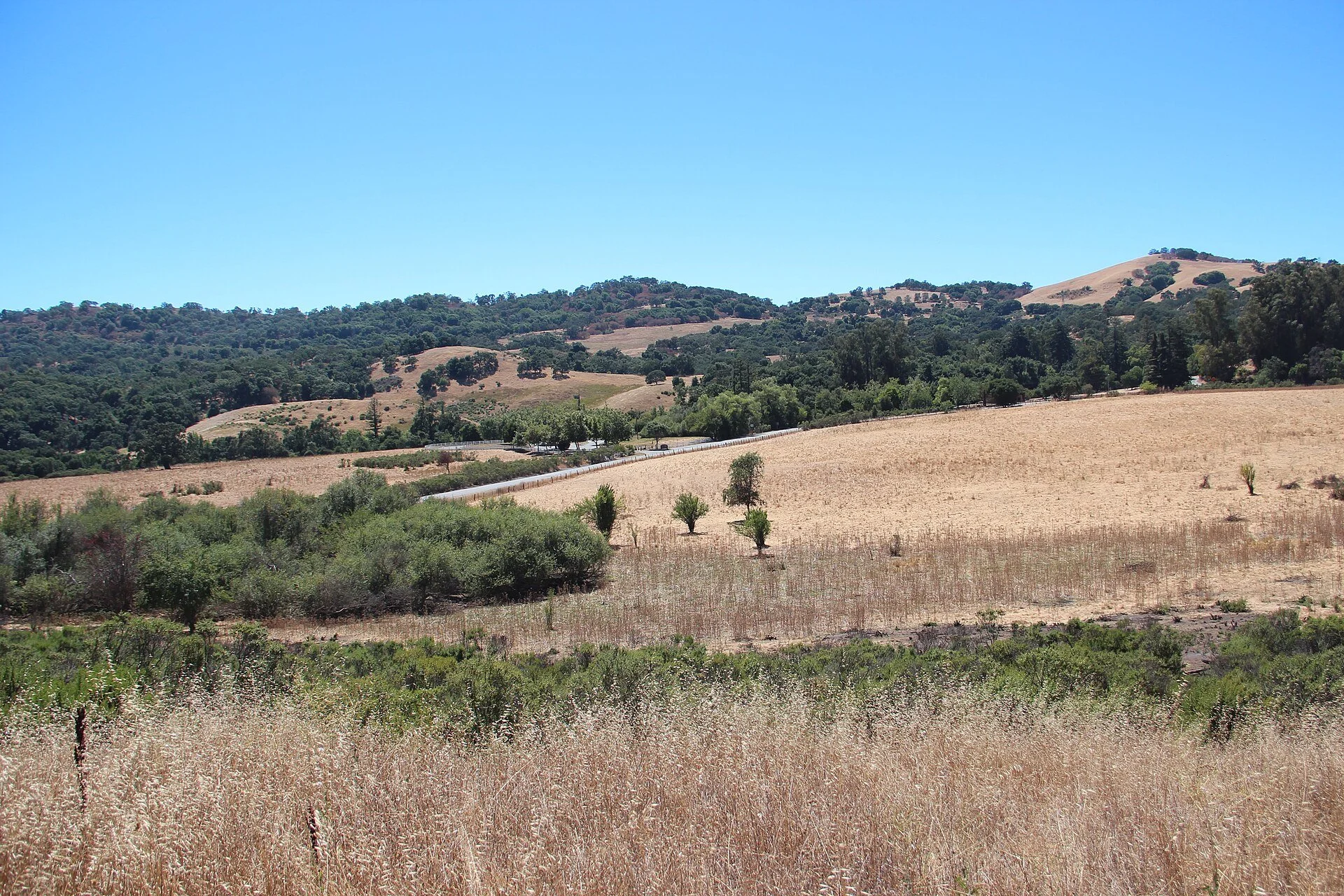
Oak grassland at Joseph D. Grant County Park, a neighbor of Bella Madeira in the eastern foothills. Representative view, not the property. Photo: Thomson200 / Wikimedia Commons, CC0
When the Round 10 awards were announced, Department of Conservation Director Jennifer Lucchesi spoke about all of them, not this project alone. “Once we lose California’s agricultural lands and open space, we can never recover them,” she said.
Two months later, on Dec. 10, 2025, the council approved a second, separate grant: $250,000 to build the Tribe’s Conservation Office. According to the state’s project summary, it is meant to support training for tribal members in ecological restoration, land management and traditional cultivation, and to create paid positions for the next generation of tribal leaders.
The state documents describe the property as about 154 acres; the Tribe’s announcement says 150. Other details of the transaction, including the closing date and final purchase price, have not been made public.
What the Land Is For
The Tribe’s state application describes the plan. Bella Madeira will grow traditional foods, medicines and basketry materials. It will be a protected place for ceremony and for passing knowledge from elders to youth. It will be managed with traditional ecological knowledge: cultural burning, mixed native plantings and supplemental grazing to bring the grassland back to health, along with protecting wildlife habitat and sensitive areas. The Tribe also committed to donating any surplus harvest to food banks serving low-income families in East San José. A cultural management and stewardship plan, also funded by SALC, will guide the work.
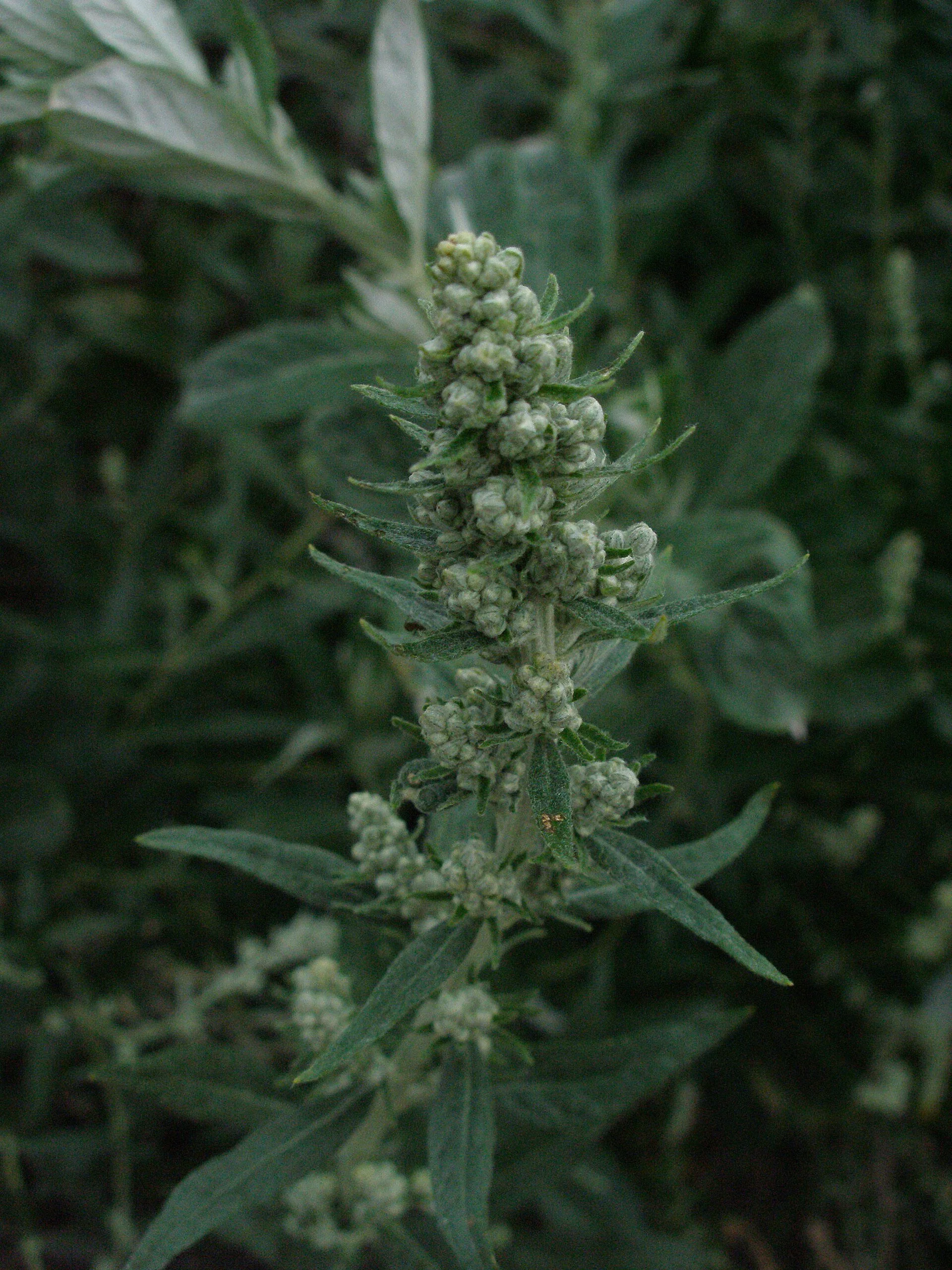
California mugwort (Artemisia douglasiana), one of the native plants Muwekma people have long gathered. Illustrative photo. Photo: stonebird / Wikimedia Commons, CC BY-SA 2.0
The Foundation, for its part, lists the Bella Madeira Horse Medicine Ranch among its enterprise initiatives, which it says will generate revenue and jobs for tribal members.
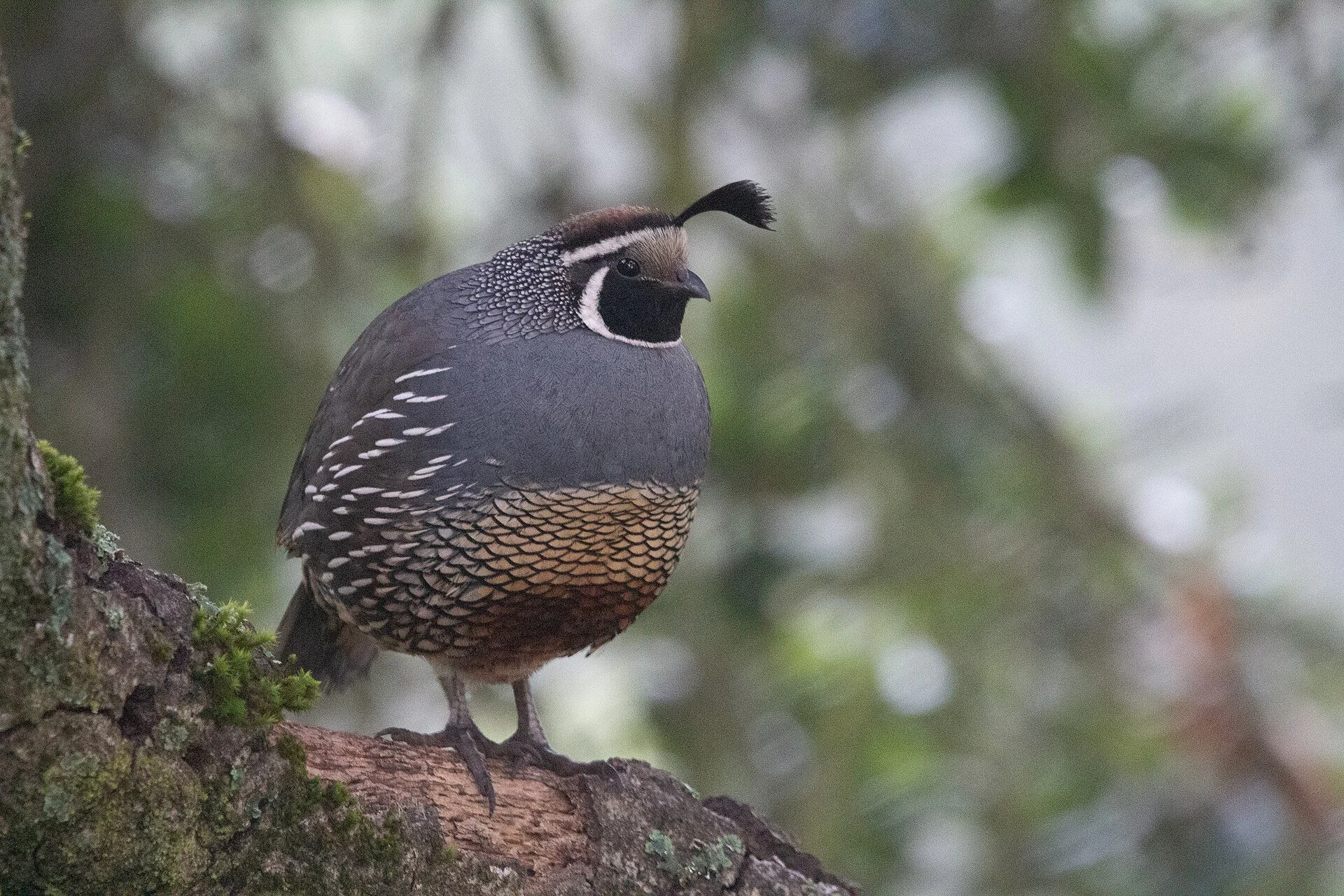
A California quail in Joseph D. Grant County Park, near Bella Madeira. Representative view, not the property. Photo: Karl Voelker / Wikimedia Commons, CC BY-SA 4.0
What It Means
In the narrow terms of a state grant, Bella Madeira is about 154 acres of grazing land with 37 development rights retired. For the Muwekma Ohlone, a tribe left landless in its own homeland, it is ancestral land returned. In the Tribe’s words, it is an act of rematriation.
It matters for everyone else in the valley, too. Grassland that could have become estate lots will stay open. The plan calls for bringing native plants back and for returning cultural burning to the land. And under the Tribe’s commitment, surplus from what the land grows will go to food banks serving East San José families.
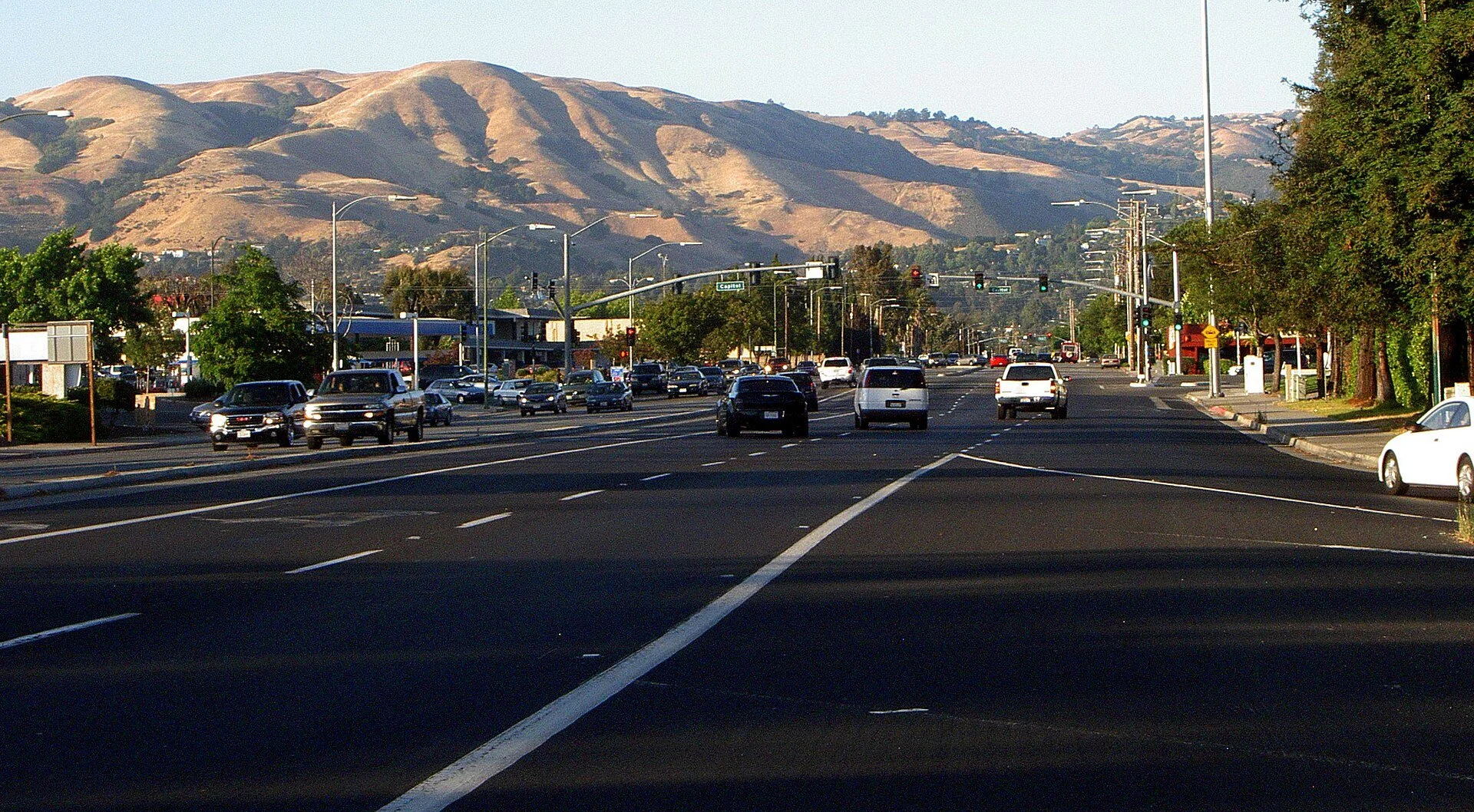
The eastern foothills of San José turn gold in early summer. Representative view, not the Bella Madeira property. Photo: XAtsukex / Wikimedia Commons, CC BY 3.0
The Tribe said the homecoming belongs to everyone who made it possible. The Foundation thanks the California Department of Conservation and the Strategic Growth Council, and every tribal member, ally and partner who carried this work. Getting land back is a beginning. The hard, good work of caring for it starts now.
To learn more about the land and how to support its care, visit the Foundation’s Bella Madeira page.
Editor’s note: Grant details come from Strategic Growth Council and Department of Conservation staff reports (Oct. 8 and Dec. 10, 2025) and the SGC’s Oct. 14, 2025 press release; state documents describe the property as about 154 acres, and the Tribe’s announcement says 150. The landscape photographs are representative views of the East San José foothills and nearby parks, not the Bella Madeira property itself. Charlene Nijmeh is president of the Muwekma Ohlone Preservation Foundation, which publishes this newsletter.