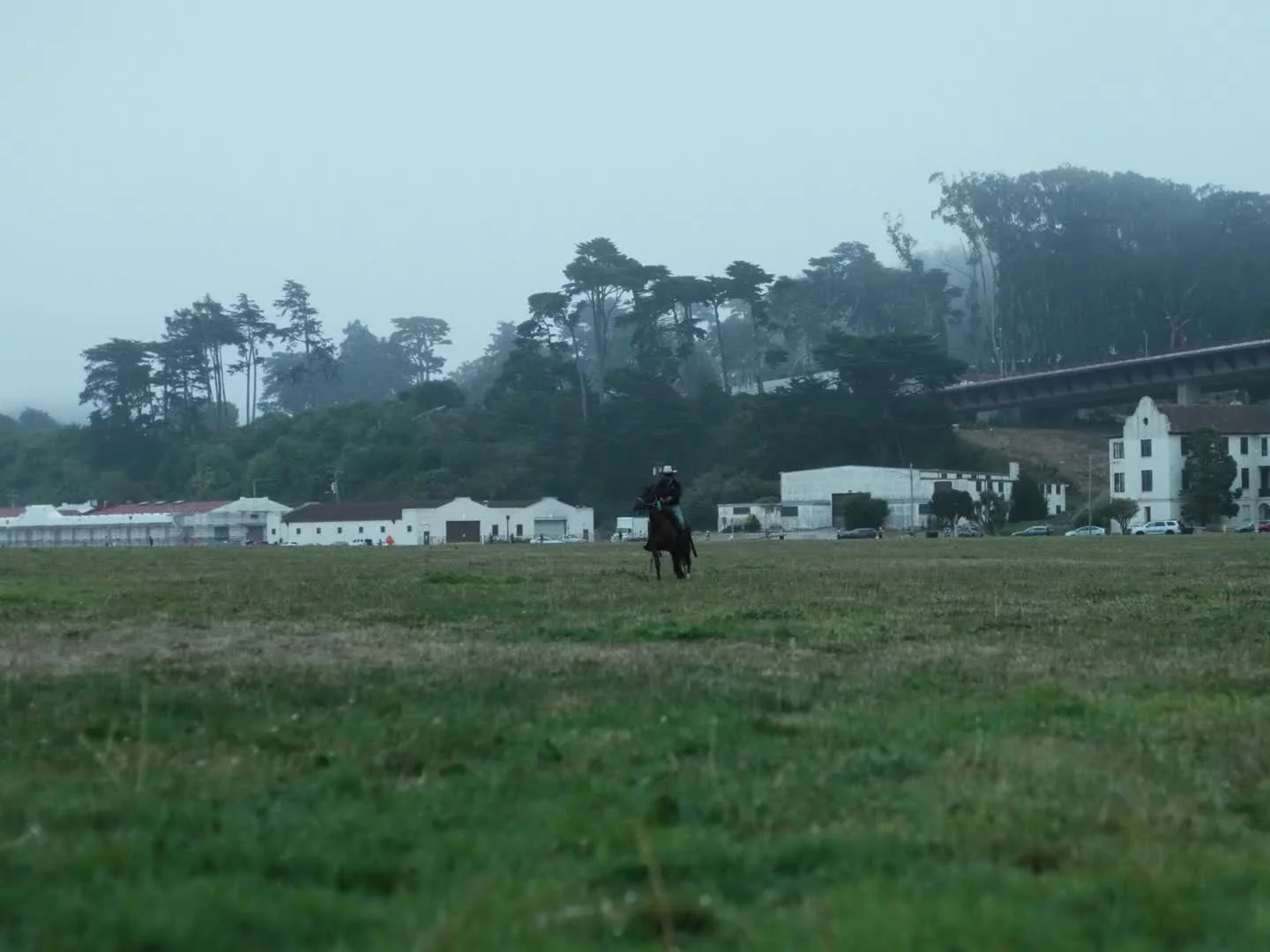
The Muwekma Ohlone Tribe's Trail of Truth is a 90-day horseback pilgrimage from San Francisco to Washington, D.C., launched August 4, 2024, to protest the Bureau of Indian Affairs' denial of federal recognition. Honoring their 10,000-year Bay Area legacy, the journey raises awareness, demands ancestral rights restoration, and culminates in D.C. advocacy, but was met with police violence at the hands of the Department of the Interior’s National Parks Police.
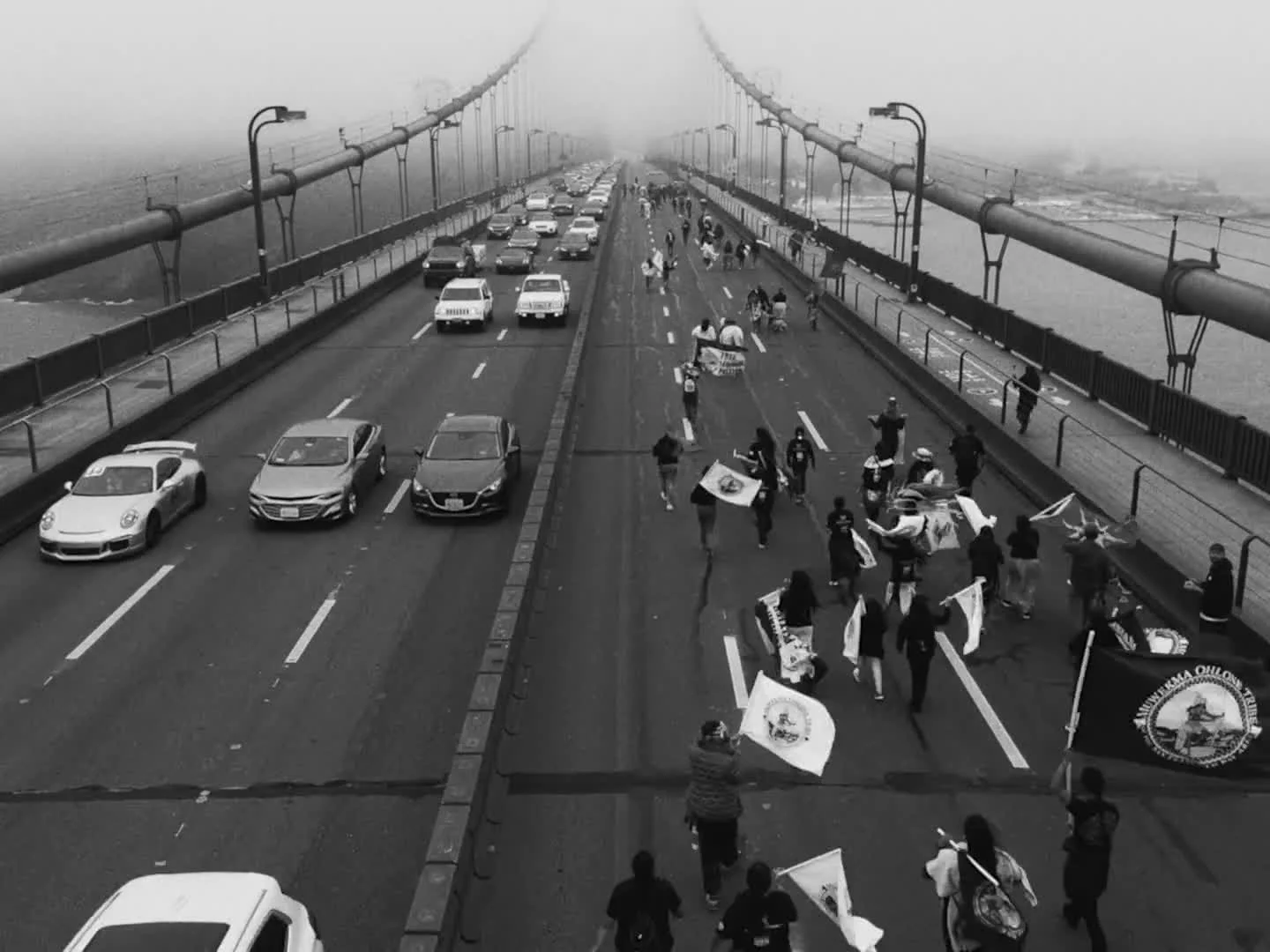
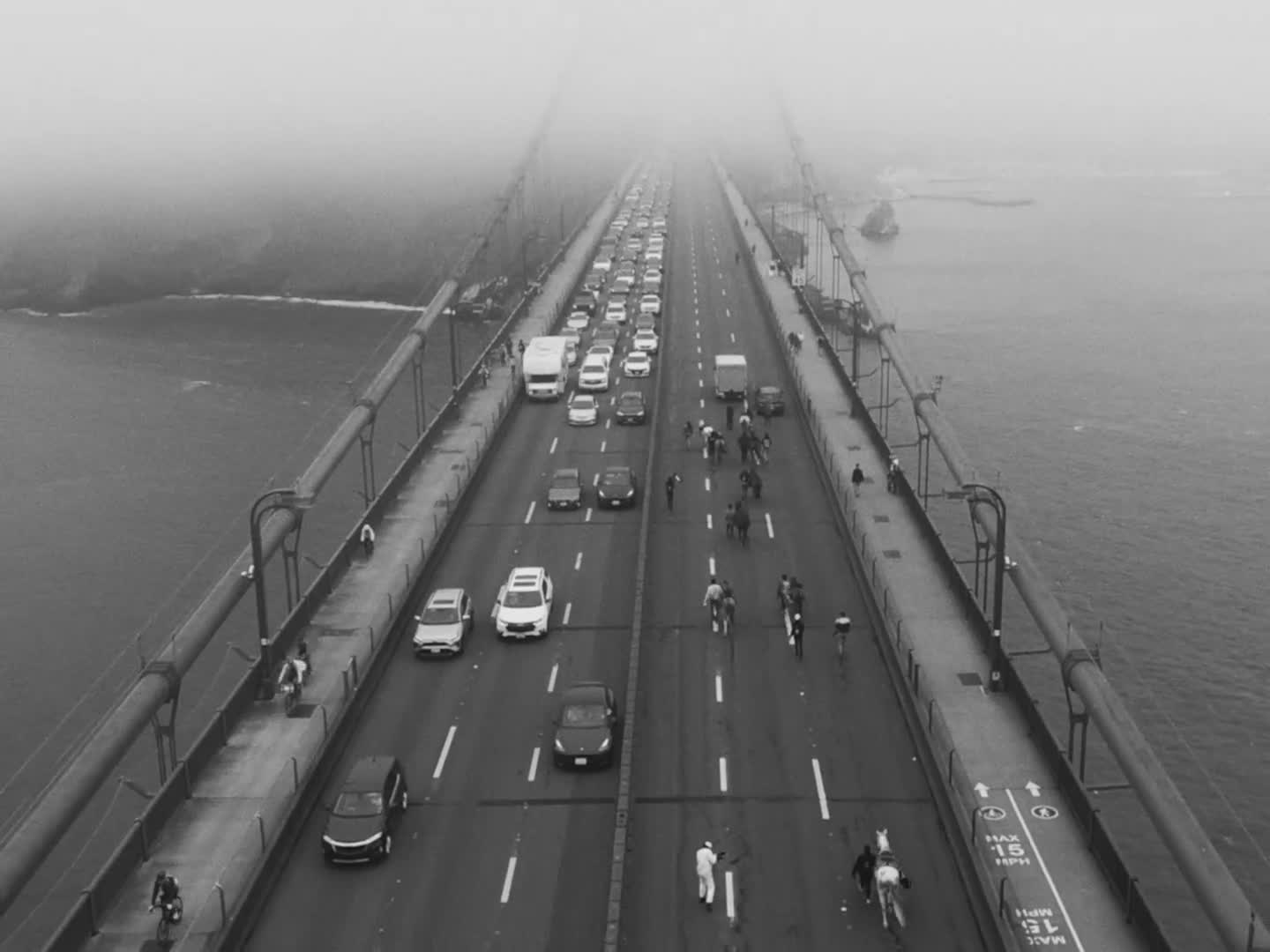
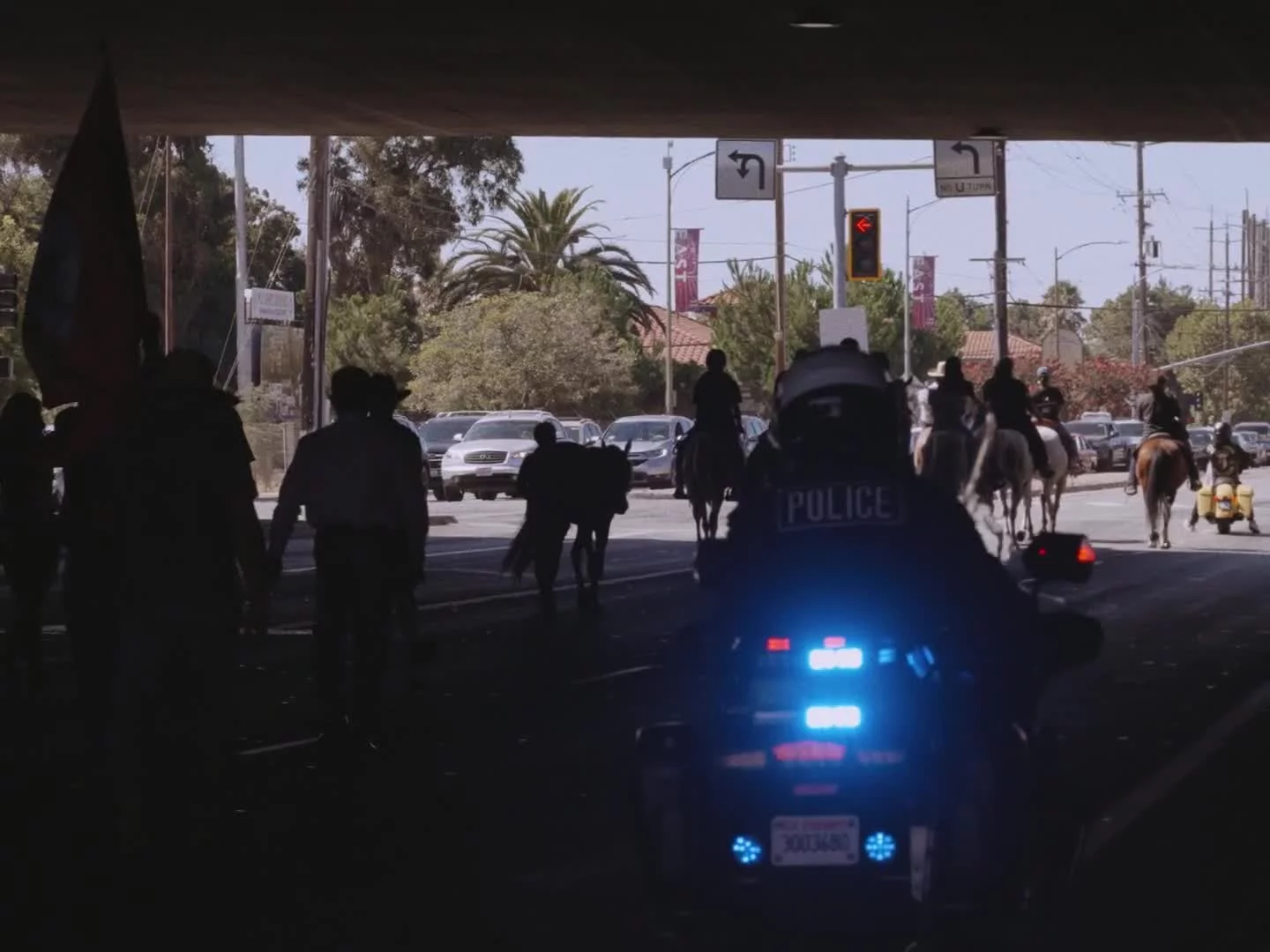
On August 4, 2024, hundreds gathered at San Francisco's Crissy Field for the Muwekma Ohlone Tribe's Trail of Truth embarkment ceremony—a vibrant rally of speeches by Chairwoman Charlene Nijmeh and allies like Nicole Shanahan, alongside Aztec and Ohlone tribal dances, and Miwok songs. The sacred horseback procession then crossed the Golden Gate Bridge, gracefully slowing traffic in a peaceful display of visibility and unyielding presence.
The Trail of Truth ignited spiritual catharsis for the Muwekma Ohlone Tribe, confronting the profound grief of tens of thousands of ancestors confined in Bay Area university anthropology departments —barred from NAGPRA repatriation without federal recognition.
In the late 1700s, our people were forcibly abducted and enslaved at Spanish missions: Dolores (1776), Santa Clara (1777), and San Jose (1797). Coerced into baptisms at the barrel of a gun and forced agricultural labor, they faced cultural erasure, brutal punishments, massacres for resistance, and devastating epidemics.
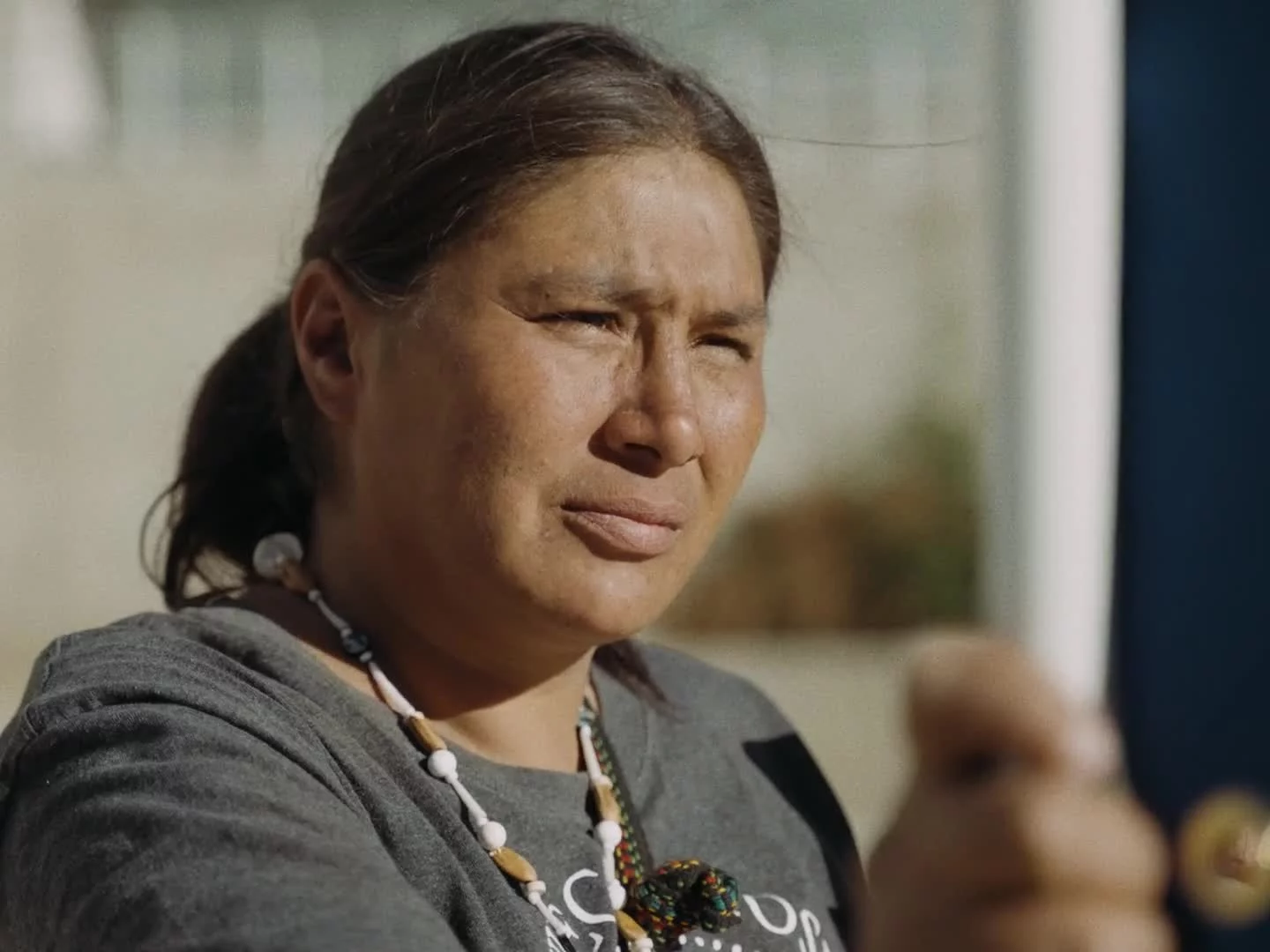
San Jose, California's capital from 1849-1851 amid the Gold Rush, witnessed Governor Peter Burnett's 1851 call for a "war of extermination" against Native Americans. He introduced bounties—$5 per Indian scalp—sparking genocidal violence that slaughtered up to 16,000 Indigenous lives, staining the state's origins with extermination policies.
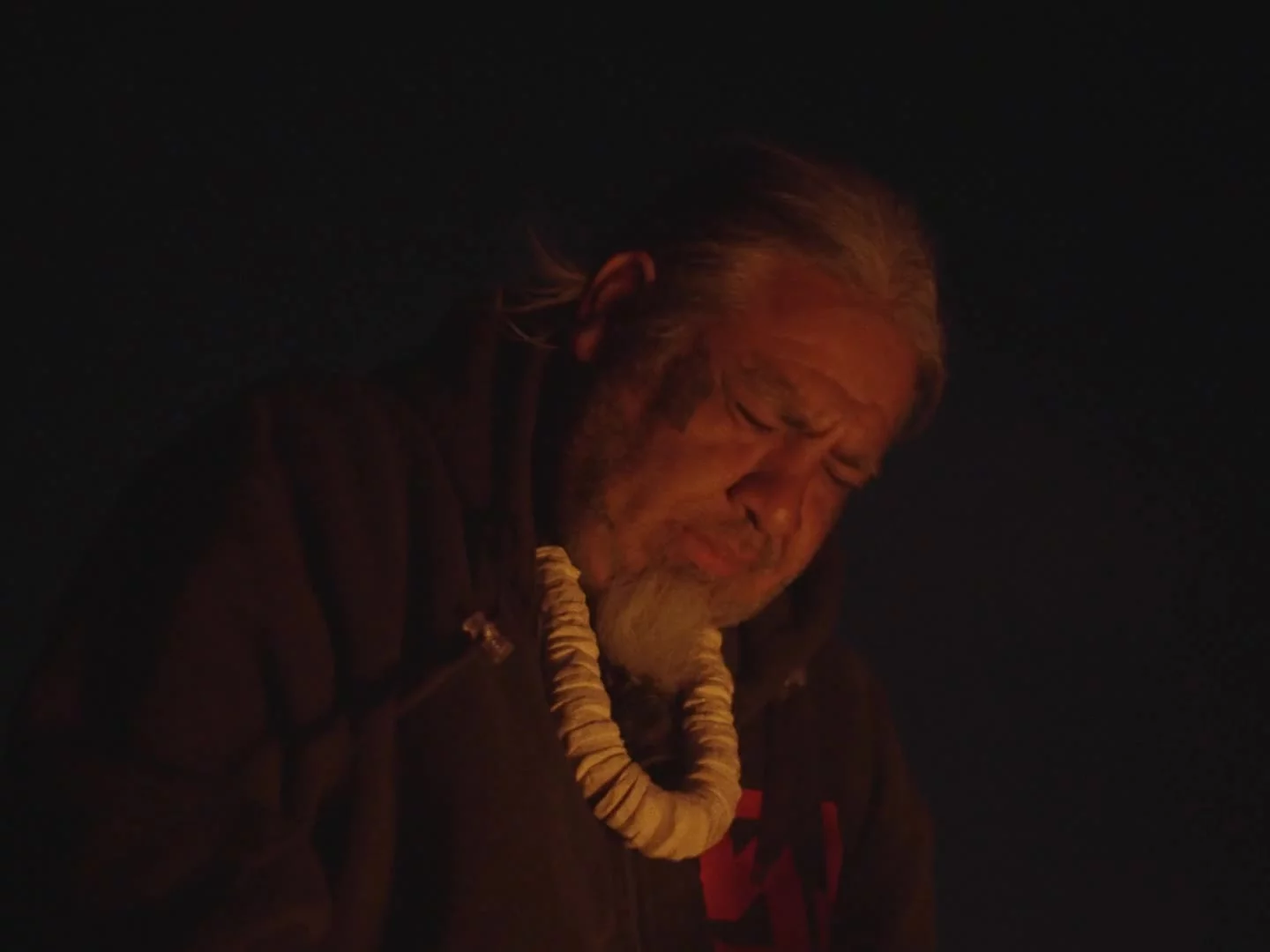
Pre-missionization, Ohlone peoples thrived in interconnected villages along the San Francisco Bay, harmonizing with land and sea through seasonal hunts, acorn feasts, tule crafts, and intricate basketry. Spiritually, Kuksu shamanism animated their world—elaborate dances in feathered regalia invoked trickster Coyote, sweat lodges purified souls, and cremation rites honored ancestors in shellmounds, weaving creation myths of watery origins into communal resilience.
Mashan Poseh Camp, Oglala Lakota warrior, forges a legacy of pan-Indigenous activism—from NoDAPL water defense to uranium resistance—uniting tribes against environmental genocide. On the Trail of Truth, his horseback solidarity with the Muwekma Ohlone amplified demands for federal recognition, weaving unbreakable alliances for sovereignty and healing.
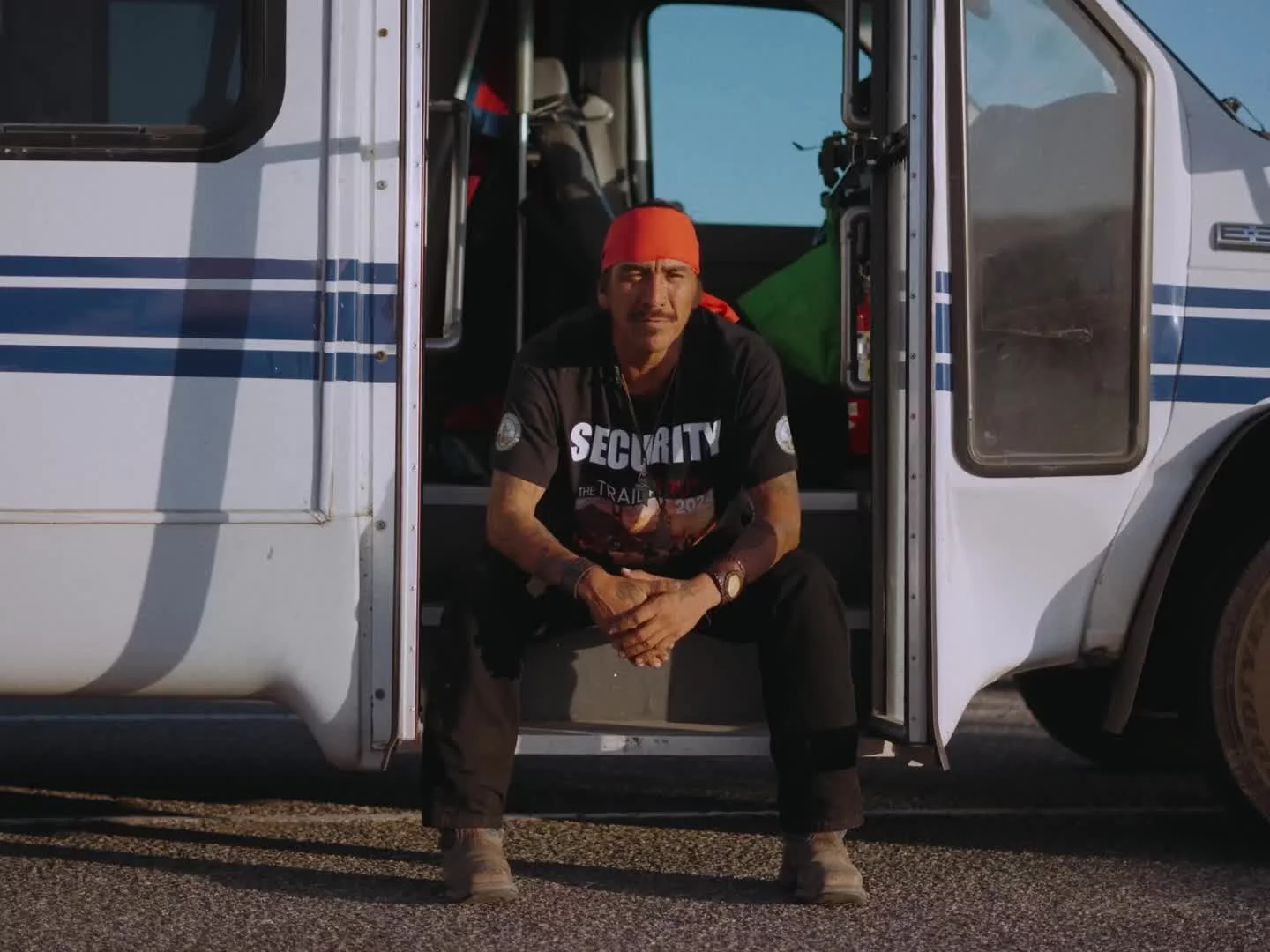
What irony lies in the federal government's authority to define Indigenous identity? The federal government’s own policies of genocide, forced assimilation, and cultural destruction have systematically sought to eradicate us from this earth. For tribes like the Muwekma Ohlone, this colonial legal architecture results in denied sovereignty, blocked repatriation, and economic marginalization—a profound miscarriage of justice.
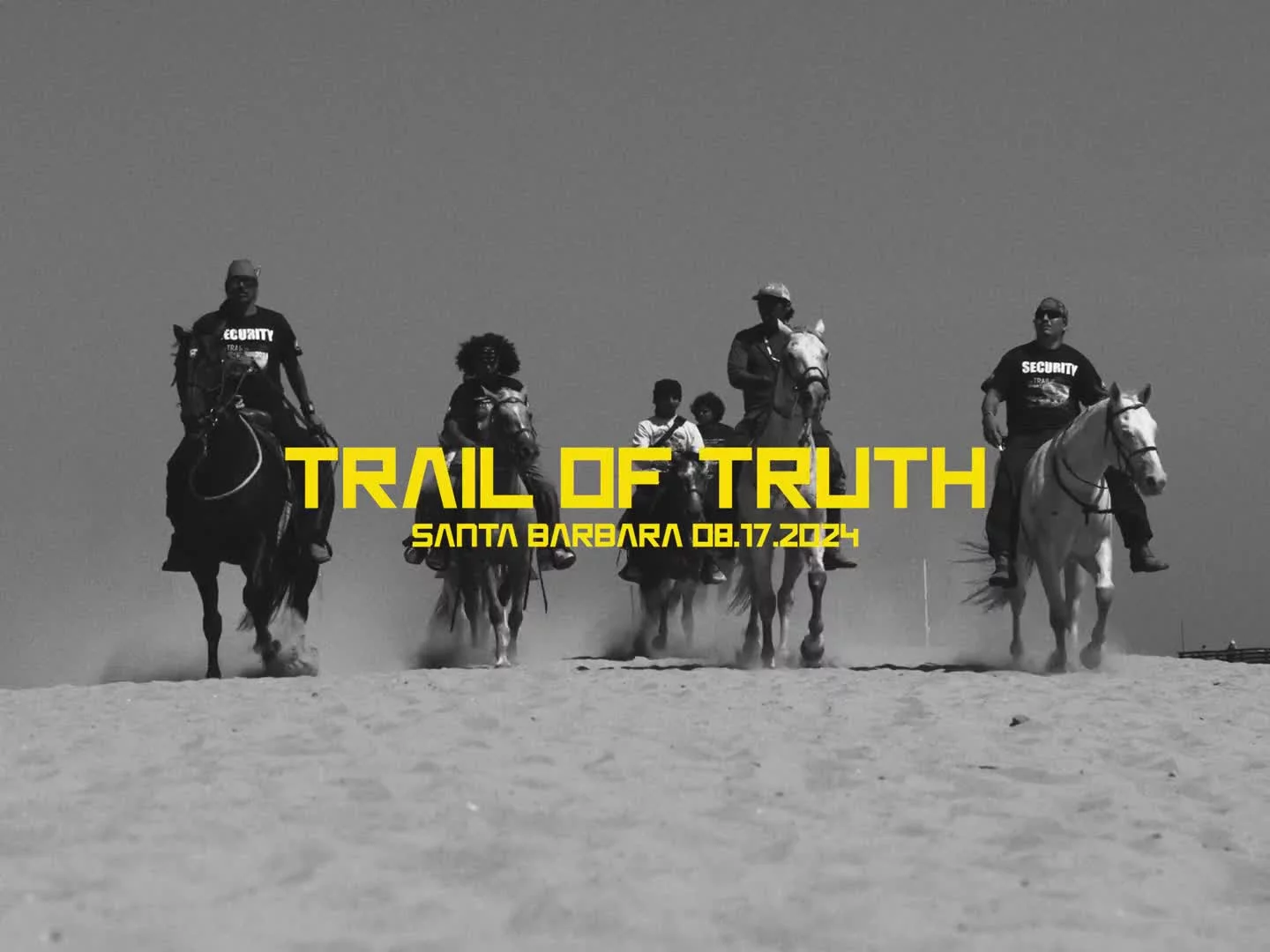
The Trail of Truth's horseback odyssey traced California's resilient spirit: departing San Francisco's shores on August 4, 2024, riders invoked ancestors en route to Sacramento's Capitol for justice pleas. Honing resolve in ancestral San Jose, we galloped southward along sun-kissed coasts to Santa Barbara's sacred sands on August 17, culminating in Los Angeles' vibrant embrace—hooves echoing demands for recognition amid coastal winds of unyielding hope.
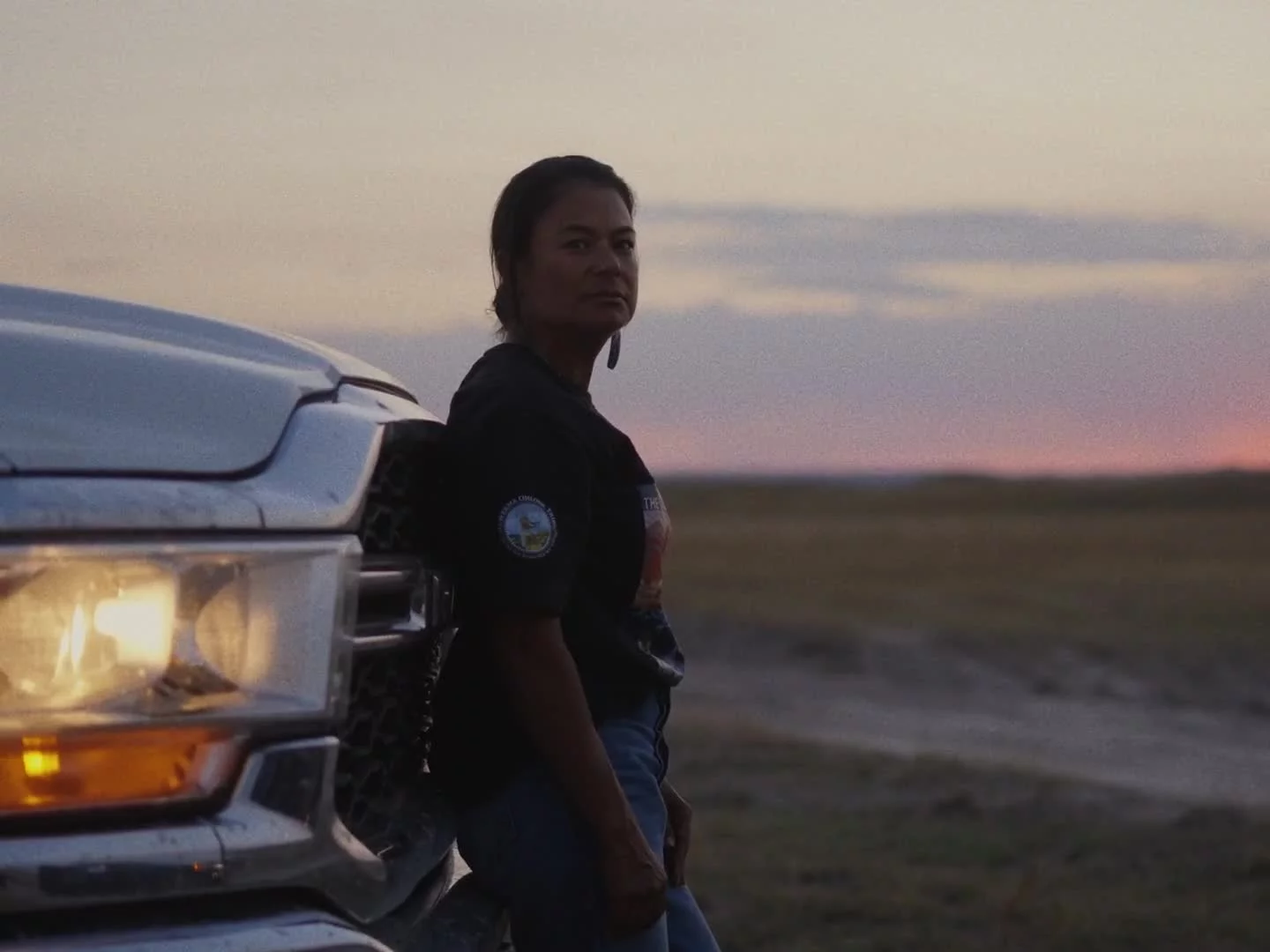
Colonial policies of conquest—genocidal violence, boarding schools, and forced assimilation—psychologically conditioned Indigenous peoples, embedding internalized oppression and cultural erasure. This trauma-engineered submission erodes one’s sense of self-worth and fosters intergenerational cycles of depression and identity loss, as historical traumas illuminate enduring inequities.
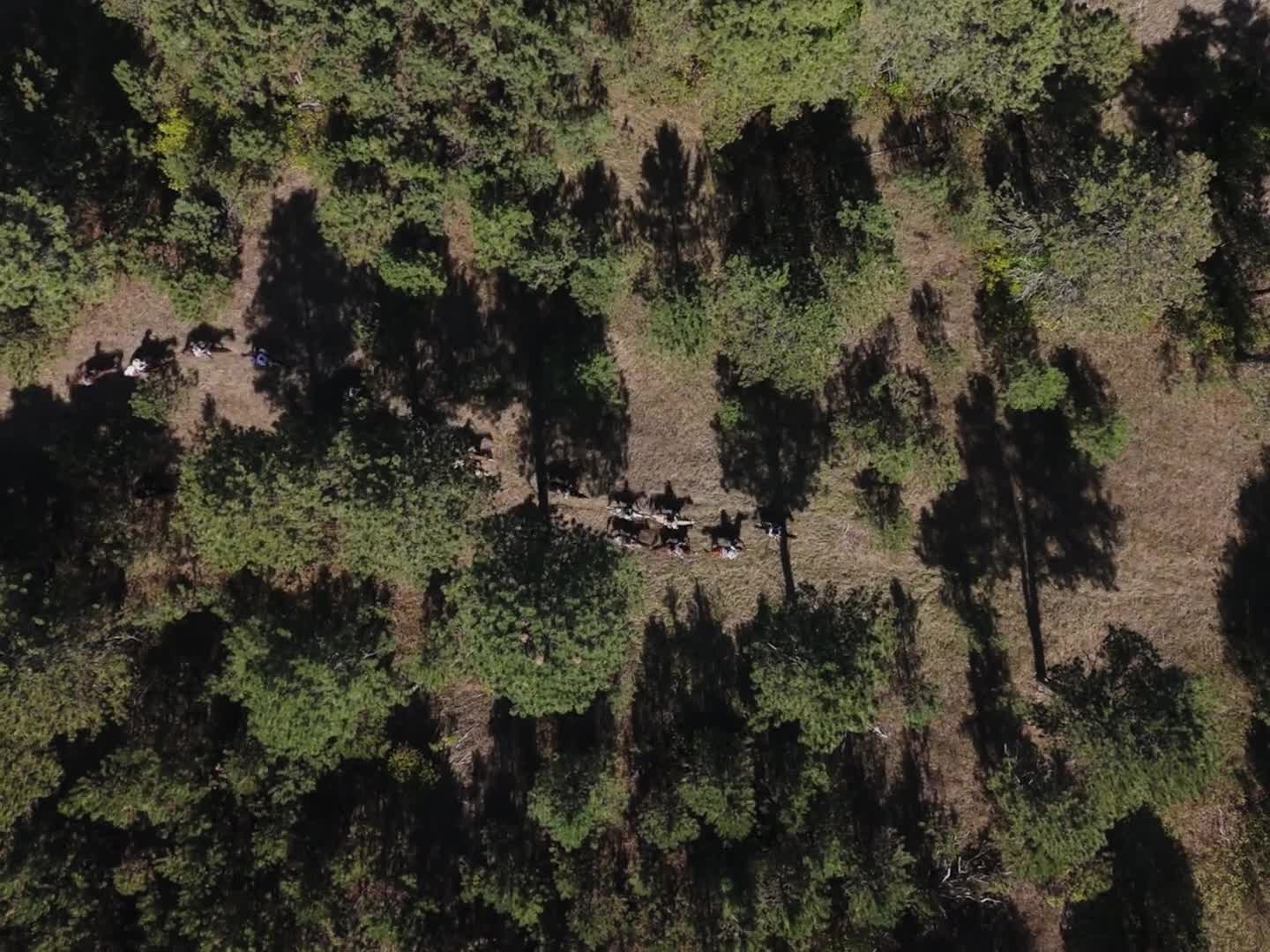
Through South Dakota's shadowed splendor, the Muwekma Ohlone's Trail of Truth unfurled cathartic grace: hooves echoing ancestral laments across Black Hills' sacred mountains, Rapid City's fleeting clamor, into Pine Ridge's unbowed embrace. On September 1, 2024, Oglala Lakota allies joined the ride—unity's fire mending wounds, honoring the land in shared, soul-stirring solidarity.
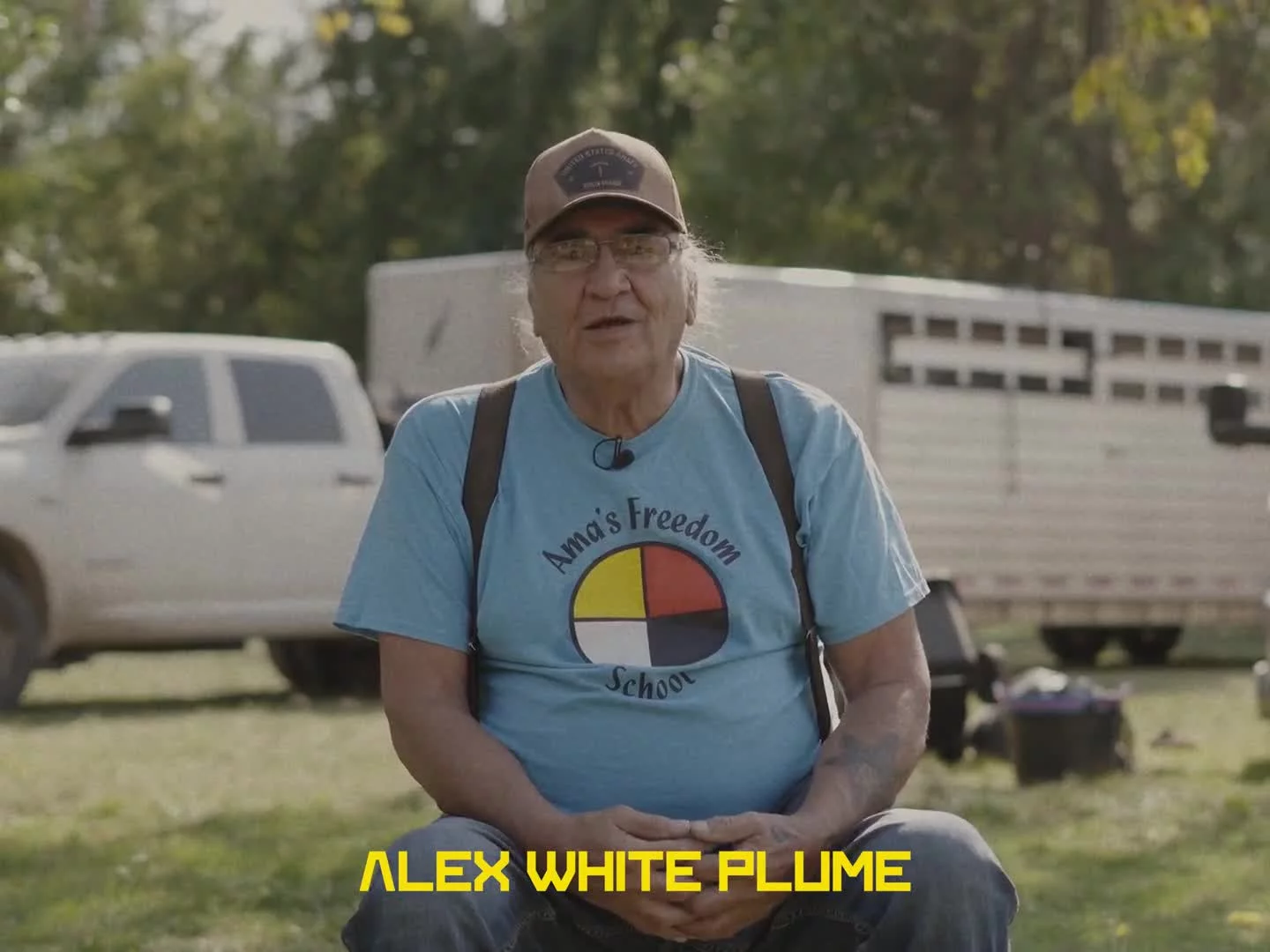
In sacred alliance, Muwekma Ohlone and Oglala Lakota wove unbreakable bonds on the Trail of Truth—hooves thundering in unison from Pine Ridge's resilient heart to D.C.'s shadowed halls. Lakota allies gifted horse medicine: steeds as spirit carriers, mending colonial fractures, igniting shared prayers for sovereignty, and breathing healing winds into Ohlone souls amid Turtle Island's vast embrace.
Traversing vast natural landscapes on horseback stirs profound spiritual awakening: earth's ancient whispers dissolve colonial scars, hooves syncing with heartbeat rhythms of rivers and winds. In this sacred pilgrimage, riders commune with unseen ancestors, shedding grief's weight for renewal—land as healer, journey as prayer, sovereignty asserted in every horizon's embrace.
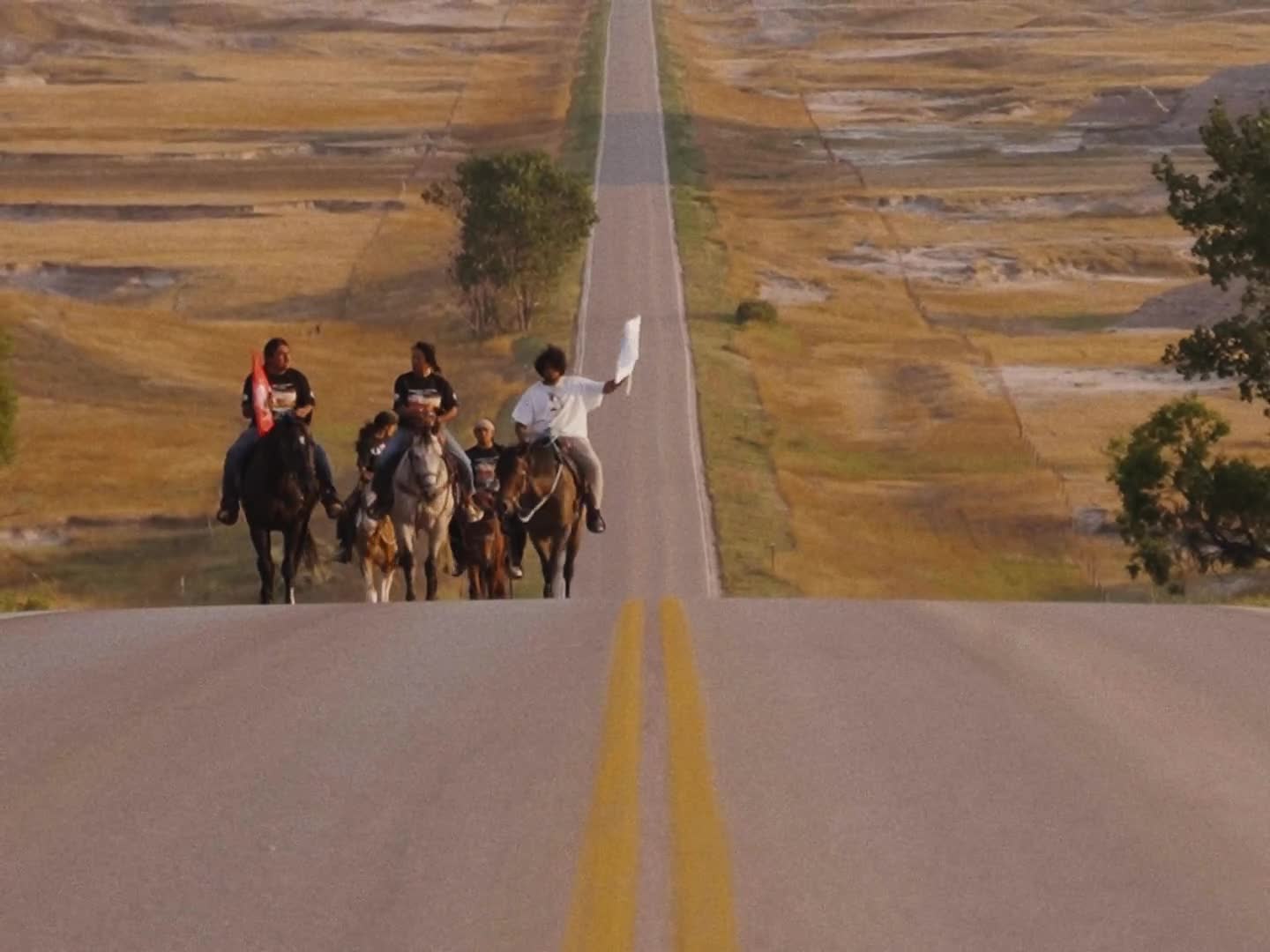
In the earth's vast cradle, long journeys—hooves kissing ancient soil—unravel colonial scars, awakening slumbering kin in wind-whispered dialogues. Each stride dissolves isolation's veil, forging unbreakable bonds with land's pulse and sky's memory. We emerge not weary, but invigorated: sovereignty etched in sweat, resilience blooming from the trail's eternal song.
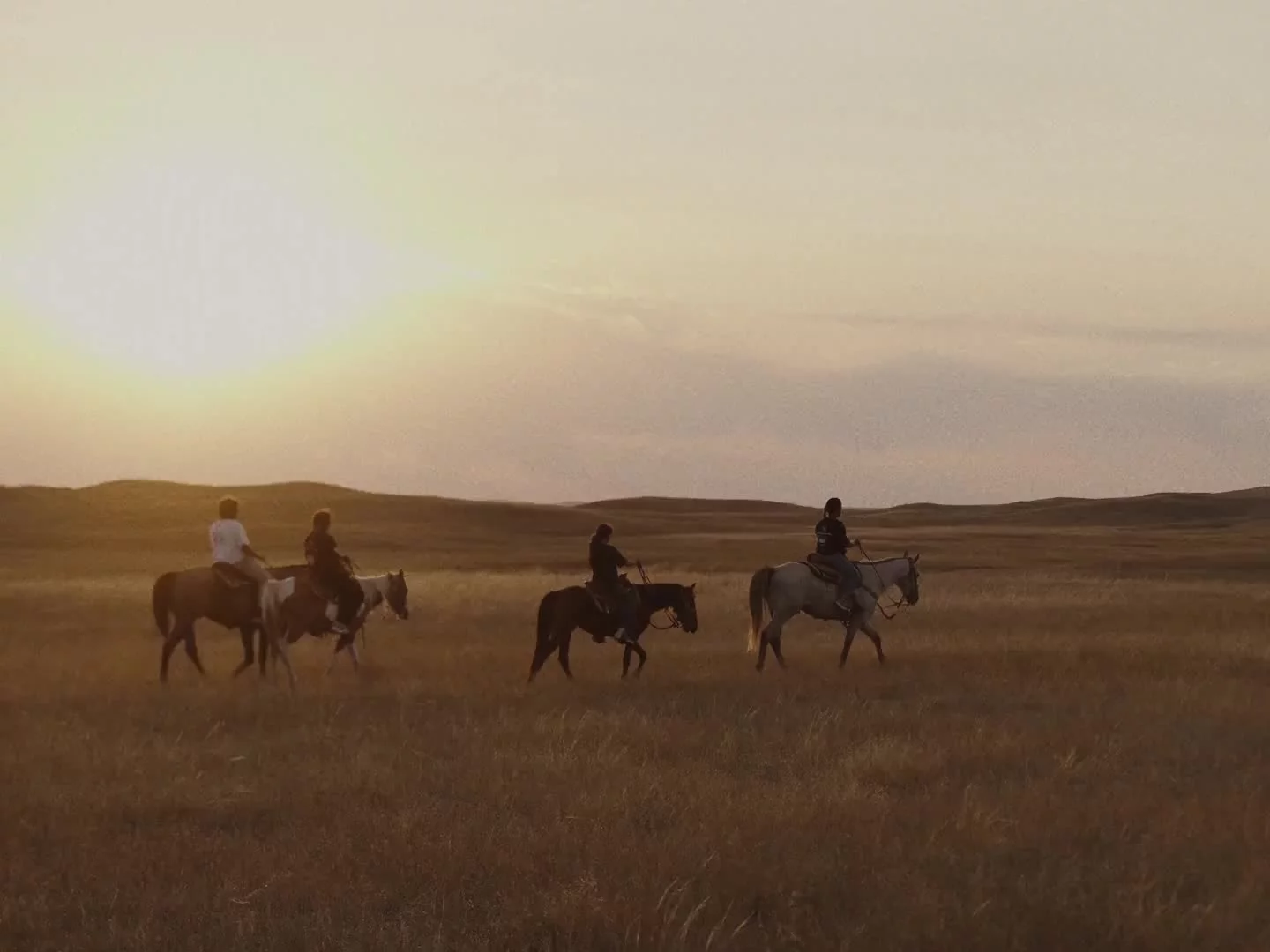
Visibility is a matter of survival for unrecognized Tribes like Muwekma—piercing federal veils of denial that withhold repatriation, lands, and self-determination. The Trail of Truth's bold procession amplifies silenced voices, forging alliances and awakening consciences. In this relentless gaze, erasure yields to equity, ancestral fires reigniting futures long dimmed by colonial neglect.
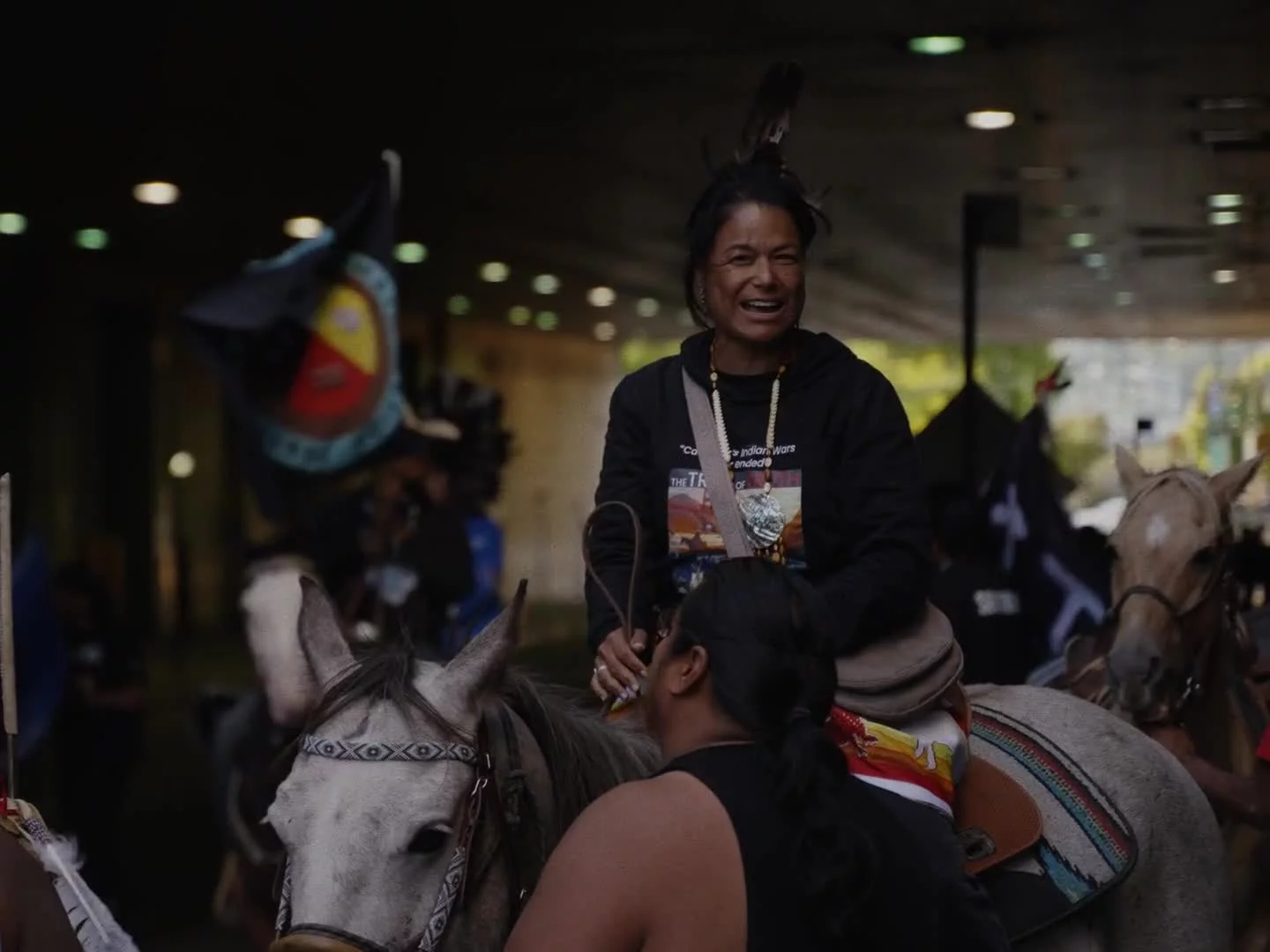
Indigenous warriors emerge in steel-veined cities, highways choked with commuter haste—hooves and moccasins defying erasure. In these inconvenient thresholds, we reclaim stolen sightlines: ancestors' echoes in fluorescent glows, sovereignty's spark amid traffic's snarl, turning colonial blind spots into mirrors of unyielding presence.
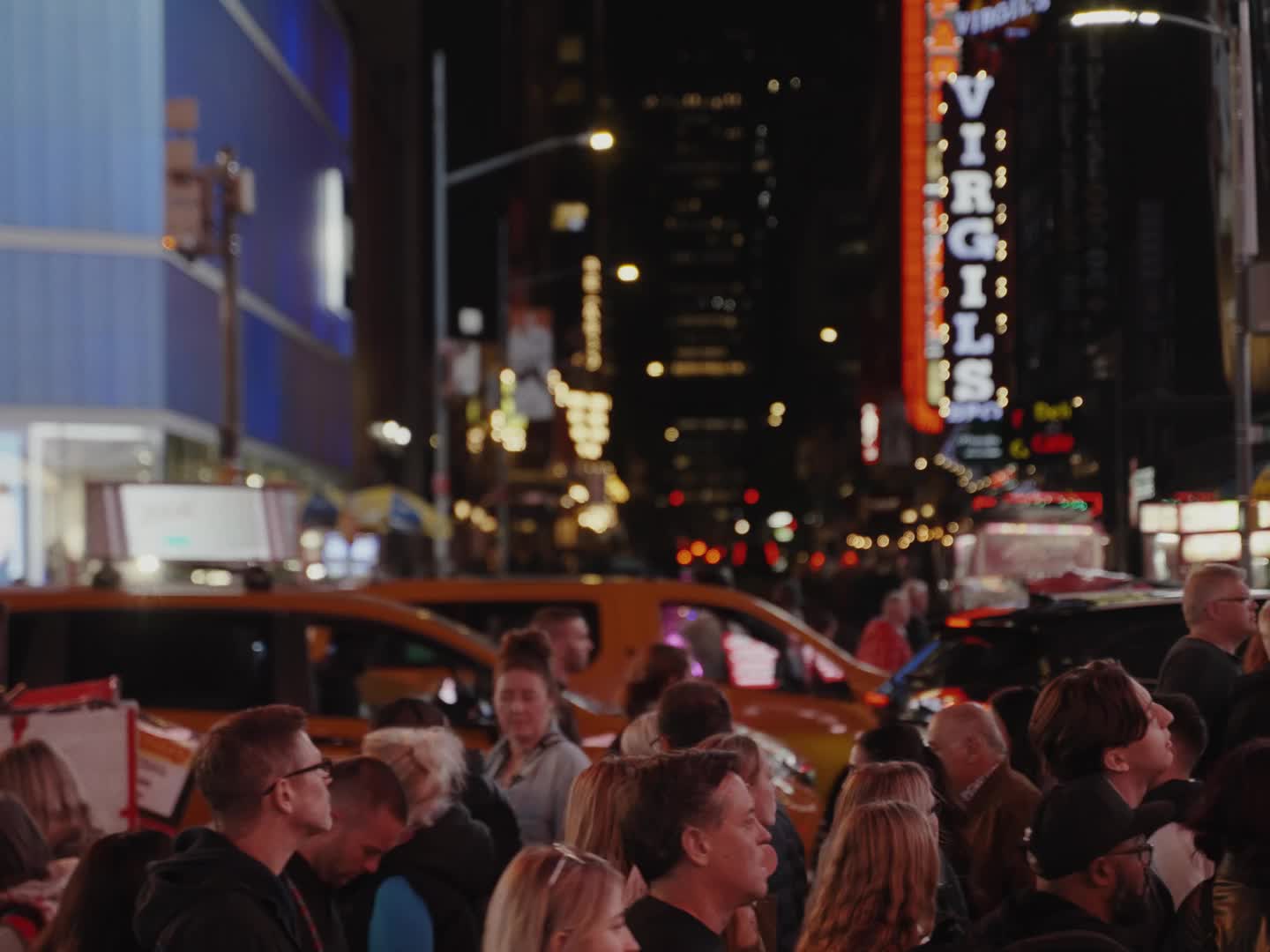
In Times Square's neon maelstrom—billboards hawking forgotten dreams—Indigenous warriors pierce the glare, feathers clashing with capitalist thunder. Amidst erasure's relentless tide, their chants defy commodified silence: sovereignty's flicker against empire's blaze, ancestors' ghosts reclaiming the glow, turning commercial cathedrals into arenas of unyielding, luminous resistance.
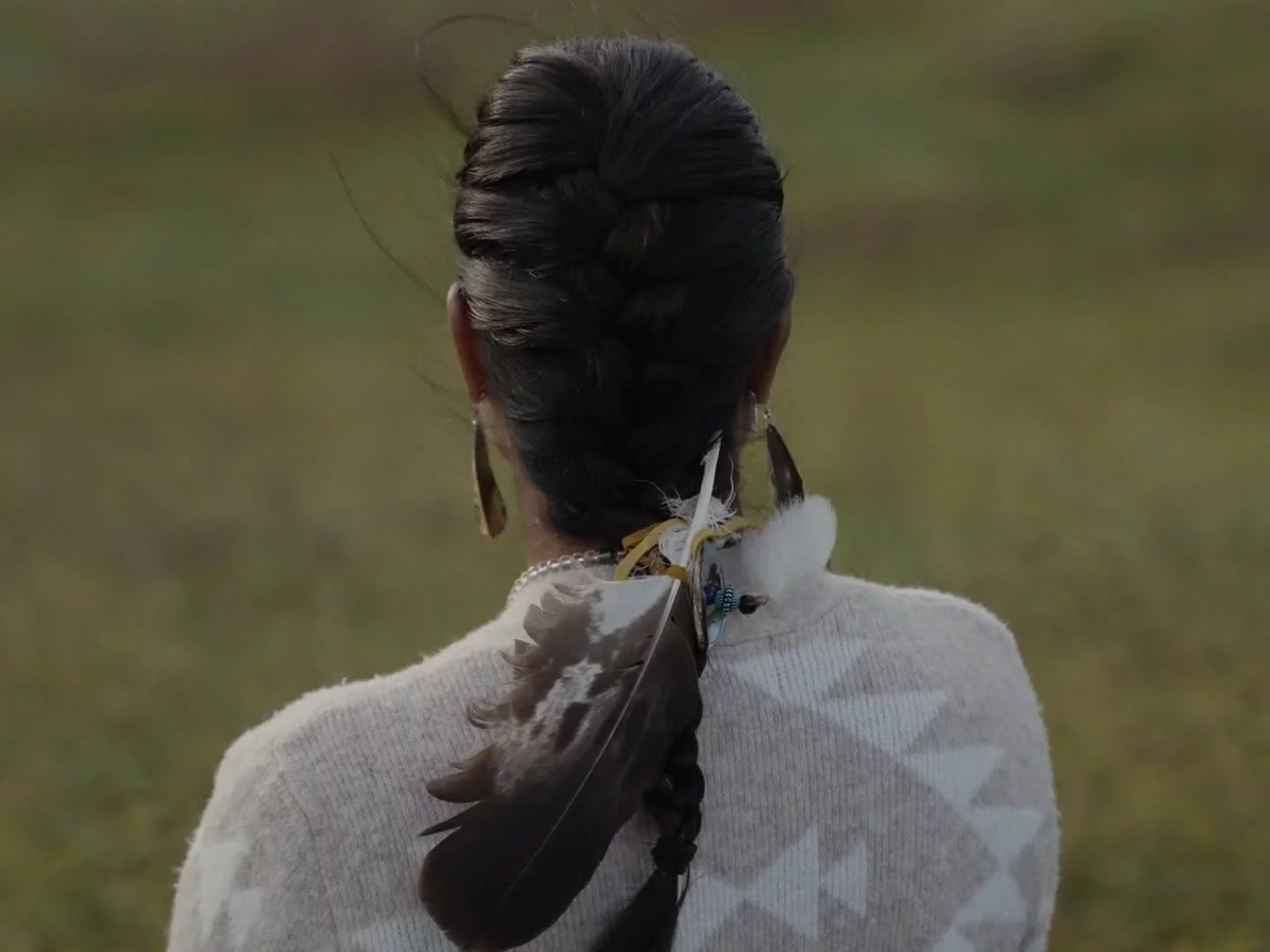
The Earth, our sacred Mother, cradles nations in her verdant womb—rivers as lifeblood, winds as whispered lore. Colonial blades scar her tender flesh, stealing breath from her lungs. We, her fierce children, rise as shields: prayers weaving roots, hooves reclaiming soil. In guarding her, sovereignty blooms eternal.
As the Trail of Truth nears Washington, D.C., anticipation pulses like ancestral drums—hooves carving final furrows through Virginia's veiled vales, winds carrying prayers across the Potomac's sigh. October 14 looms: Indigenous Peoples' Day, when Muwekma Ohlone riders will thunder over Arlington Bridge, banners blazing, to etch sovereignty's unyielding claim upon the National Mall's marble memory.
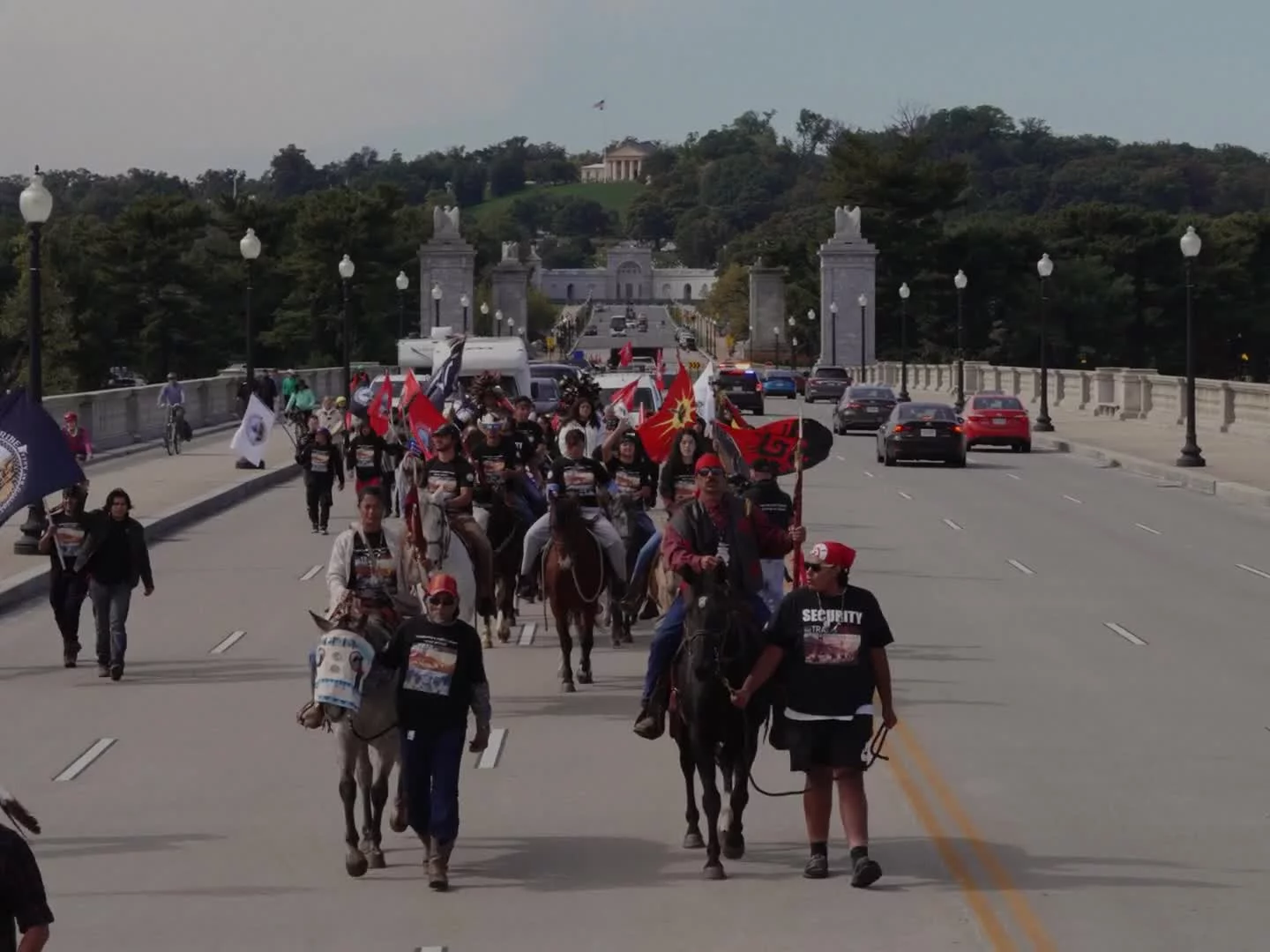
On Indigenous Peoples' Day, October 14, 2024, the Muwekma Ohlone Tribe's Trail of Truth thunders into Washington, D.C.—hooves bridging Arlington's span across the Potomac, procession unfurling along the National Mall to Capitol Hill. Allies converge in sacred fury: horses, bicycles, feet demanding federal recognition, etching ancestral sovereignty into marble-veined memory.
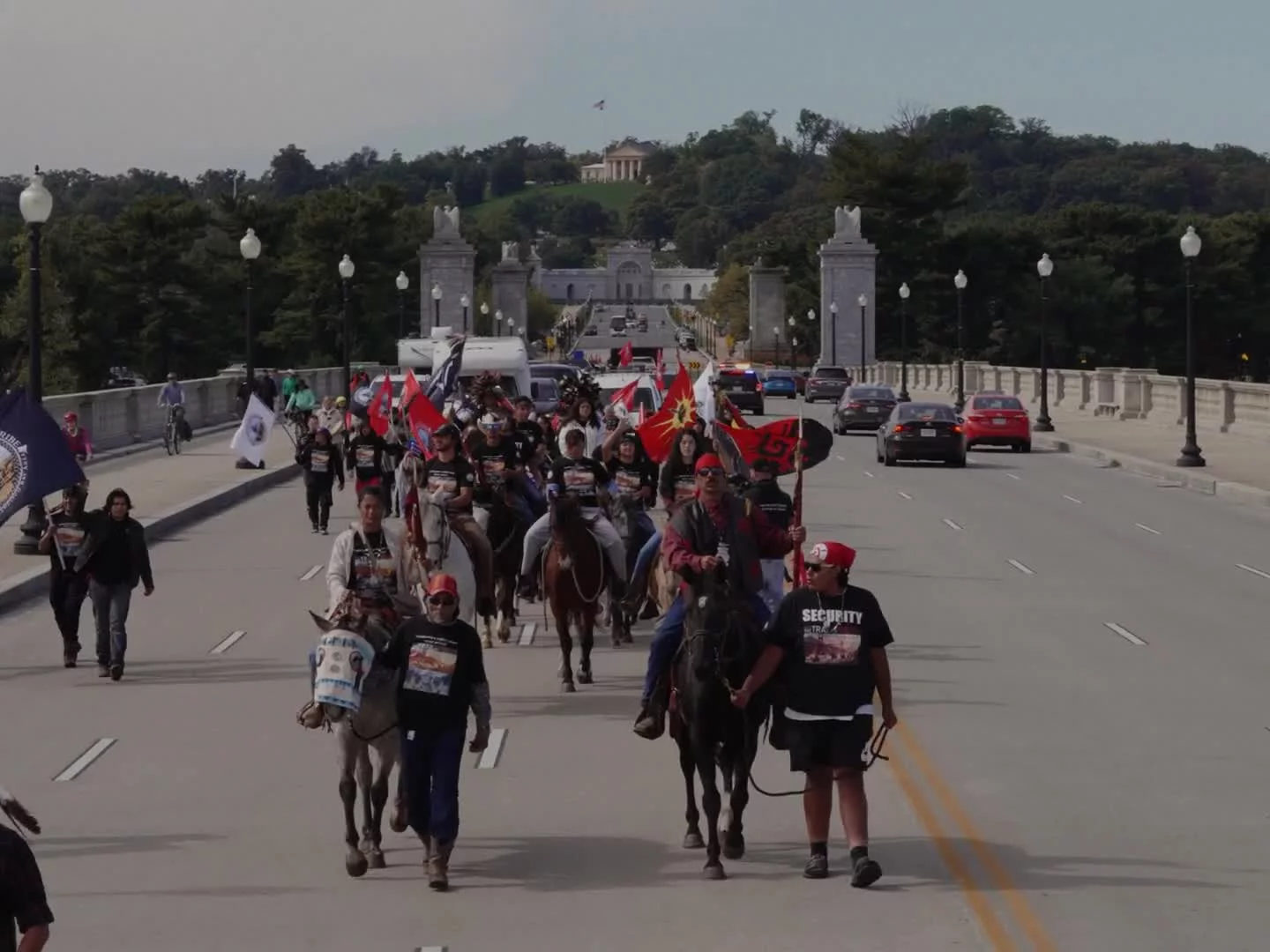
Amid marble colossi of empire—Lincoln's gaze, Washington's throne—Indigenous riders thunder the National Mall on hooves of thunder, feathers whipping winds of forgotten treaties. This spectral charge, Muwekma Ohlone's Trail of Truth, clashes colonial ghosts: justice's war cry echoing sovereignty's unbridled gallop, recognition forged in the heart of erasure's citadel.
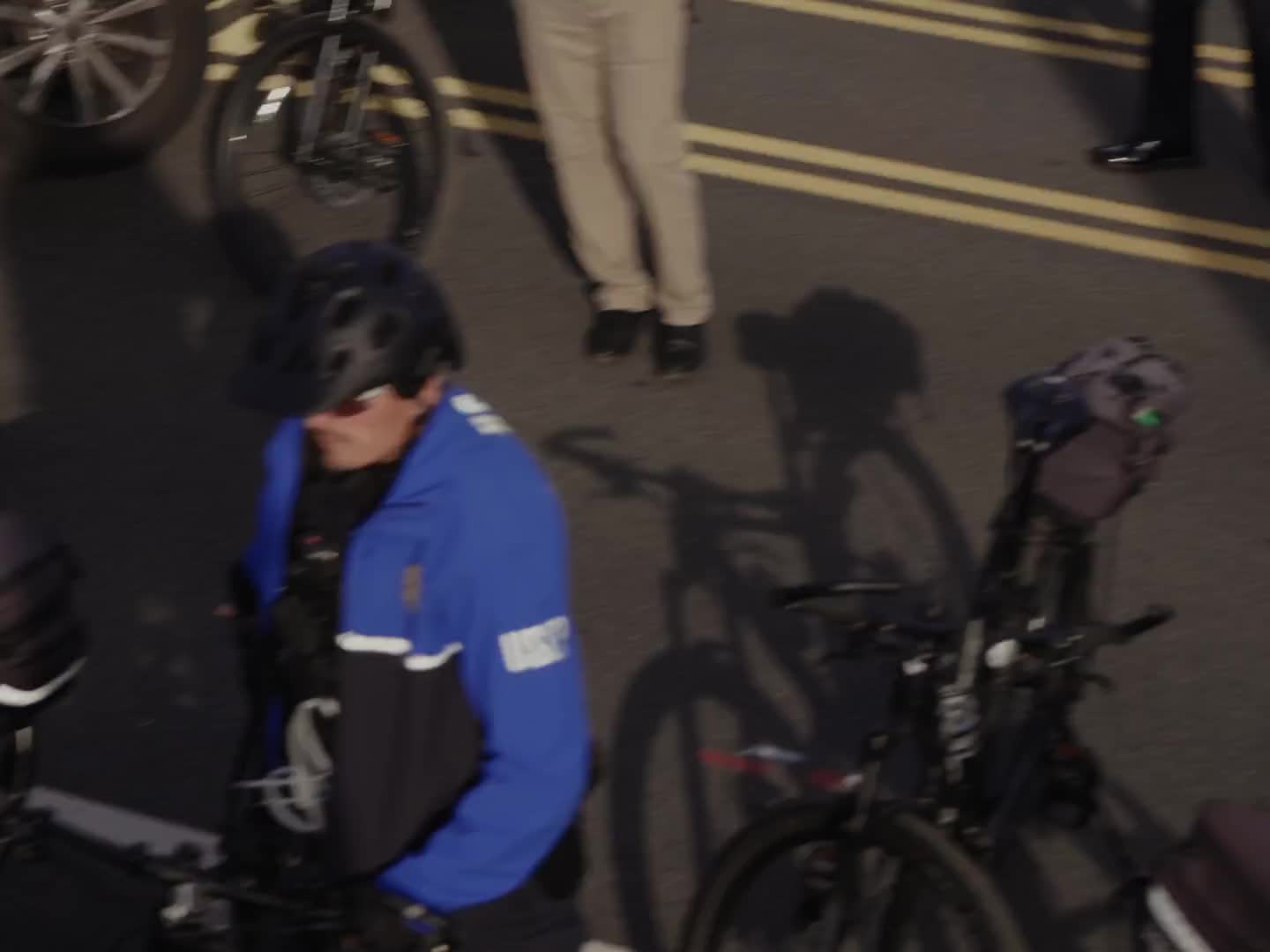
On October 15, 2024, while Tribal Chairwoman Charlene Nijmeh was enroute to a pre-scheduled meeting at with the Assistant Secretary of Indian Affairs, the delegation was ambushed by the National Parks Police who threatened to seize and kill our horses. We stood our ground to protect our horses, and we were violently, needlessly, and outrageously attacked by the National Parks Police. Riders battered, women and children manhandled and thrown to the ground, and nine arrested in a brutal ambush.
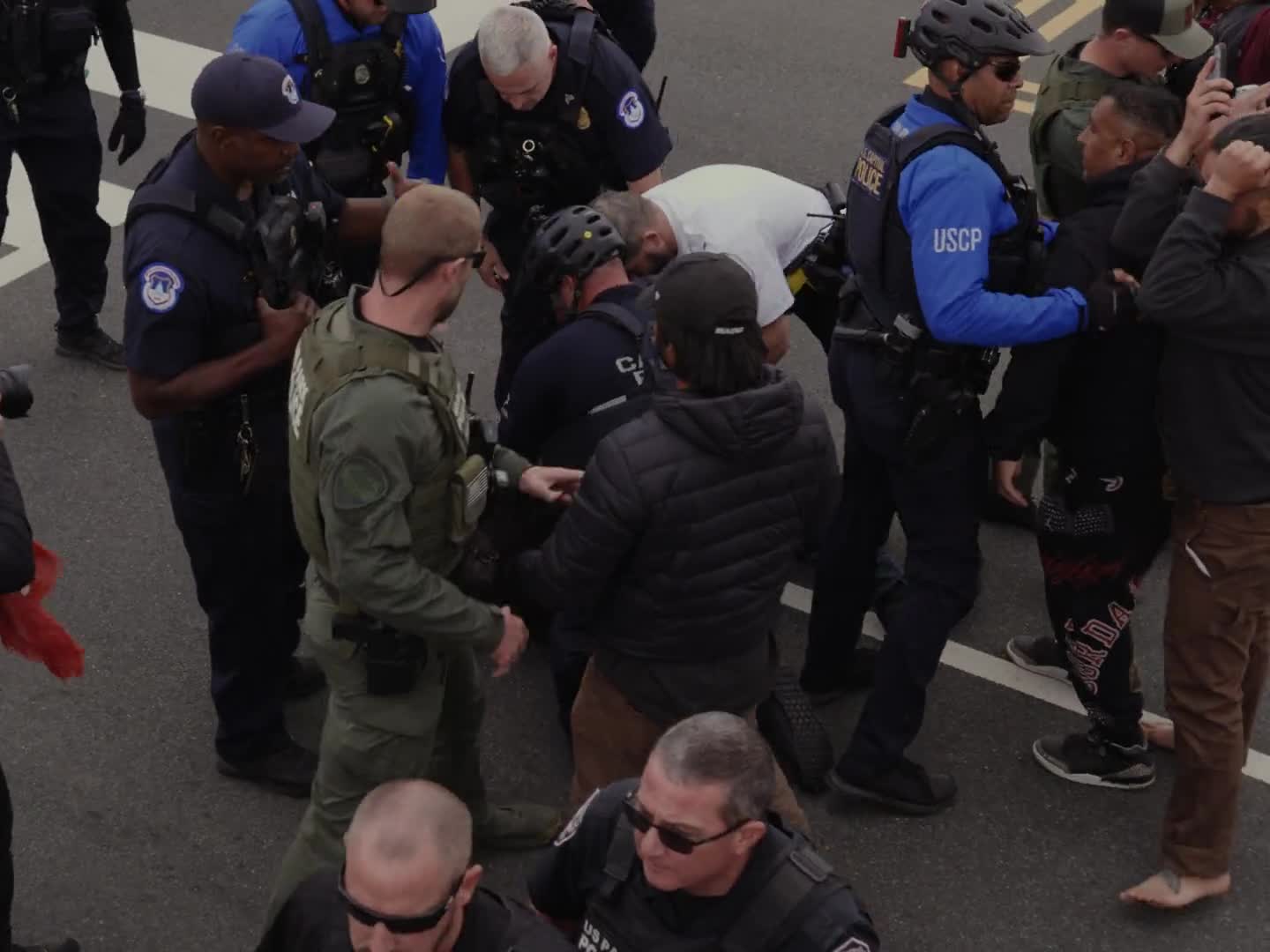
The threat to kill our horses invoked a dark and not-too-distant past. During the 19th-century Indian Wars, U.S. military campaigns systematically seized and slaughtered Indigenous horses—essential for transportation, hunting, and warfare. This tactic, documented in policies like the 1868 Fort Laramie Treaty violations, immobilized tribes, disrupted economies, and eroded cultural practices, exemplifying colonial strategies of subjugation and forced dependence.
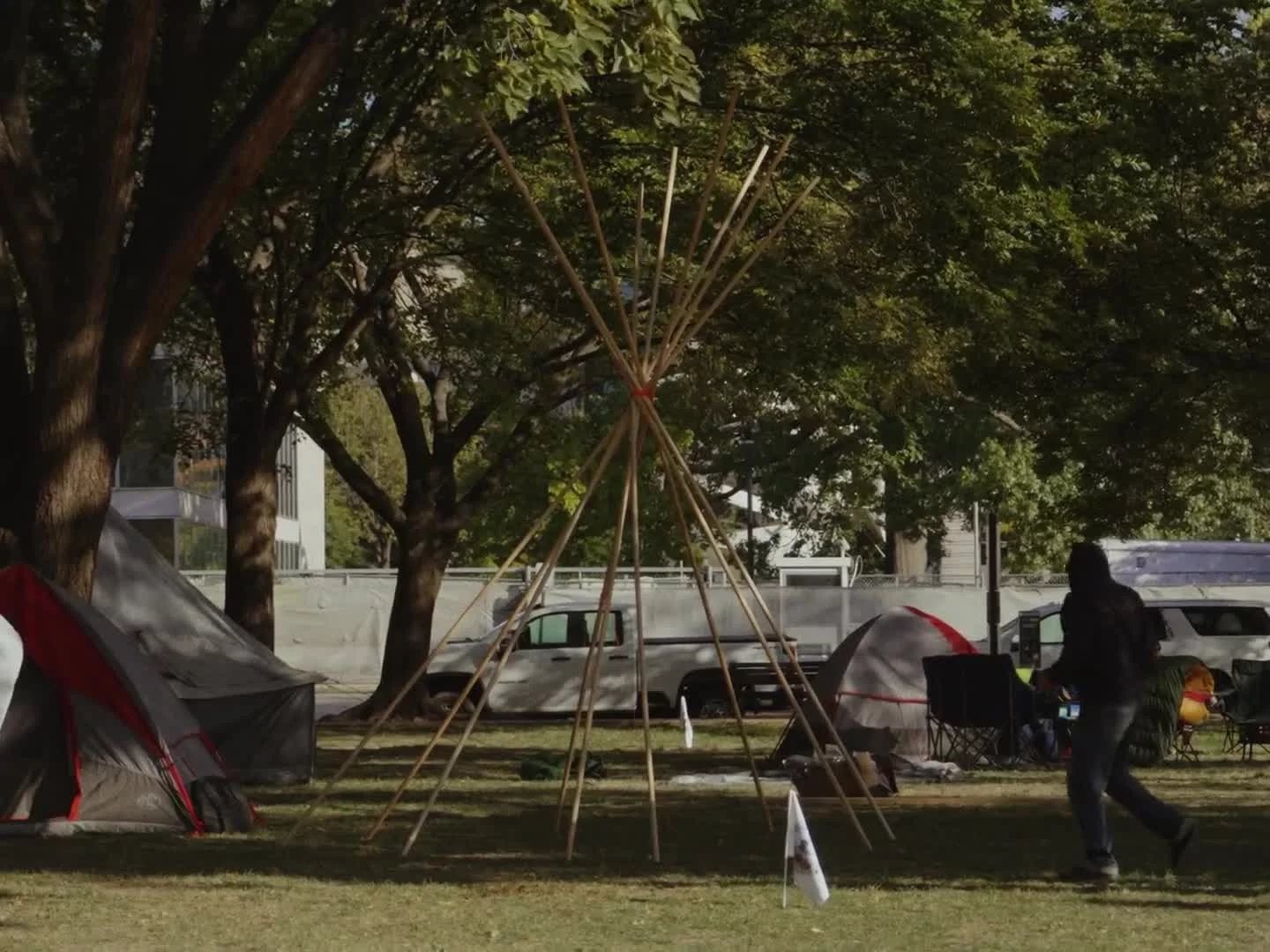
The Department of the Interior's institutional culture remains steeped in colonial paternalism, wielding bureaucratic barriers to deny federal recognition to tribes like the Muwekma.
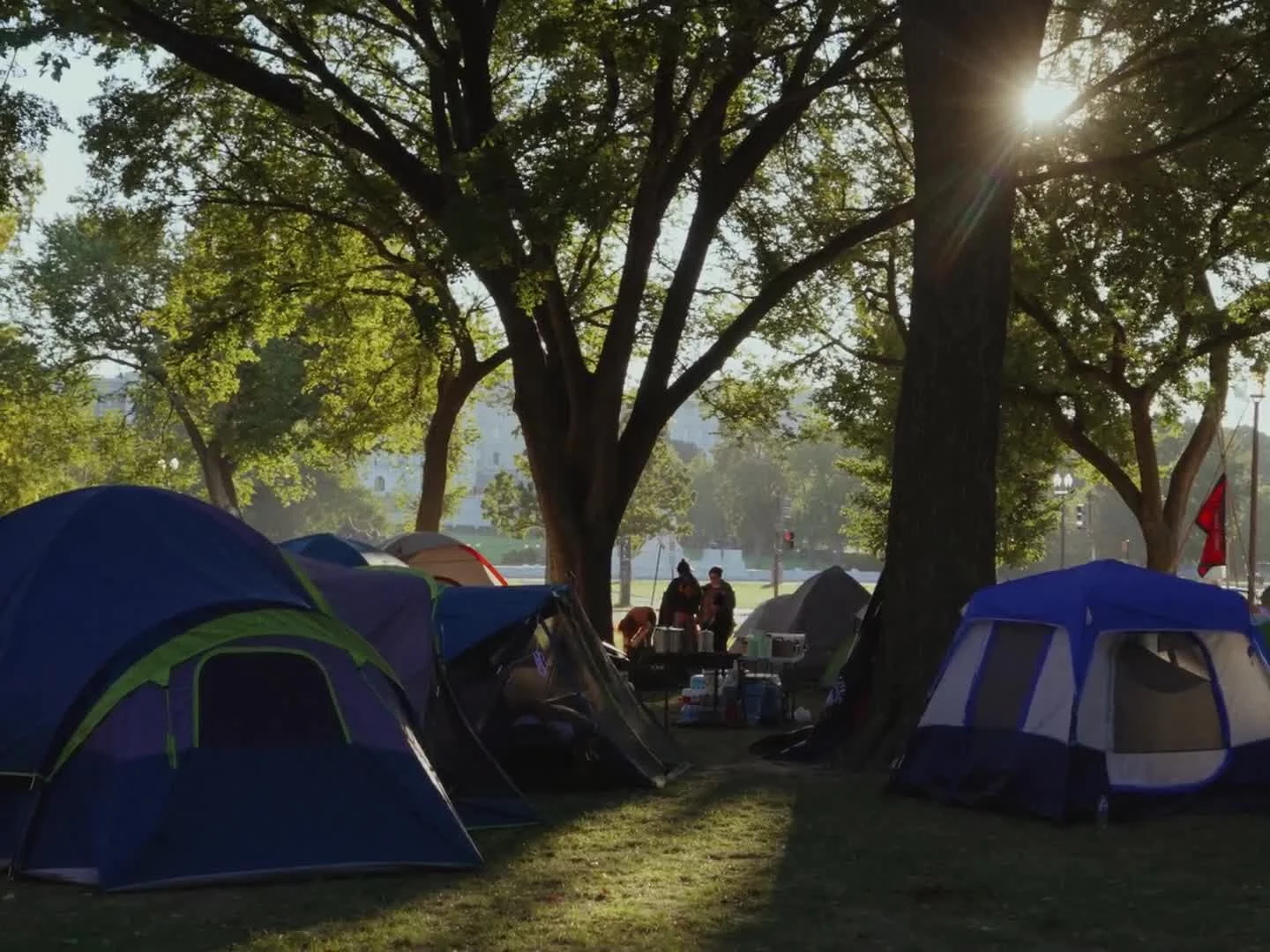
From colonial iron fists to bureaucratic batons—unprovoked, needless—Indigenous spirits endure, unyielding oaks in tempests of policy violence. Muwekma Ohlone riders, battered yet unbroken on sacred trails, transmute scars into songs of sovereignty. Resilience: not mere survival, but fierce rebirth, weaving ancestral fire through erasure's chill, igniting futures unchained.
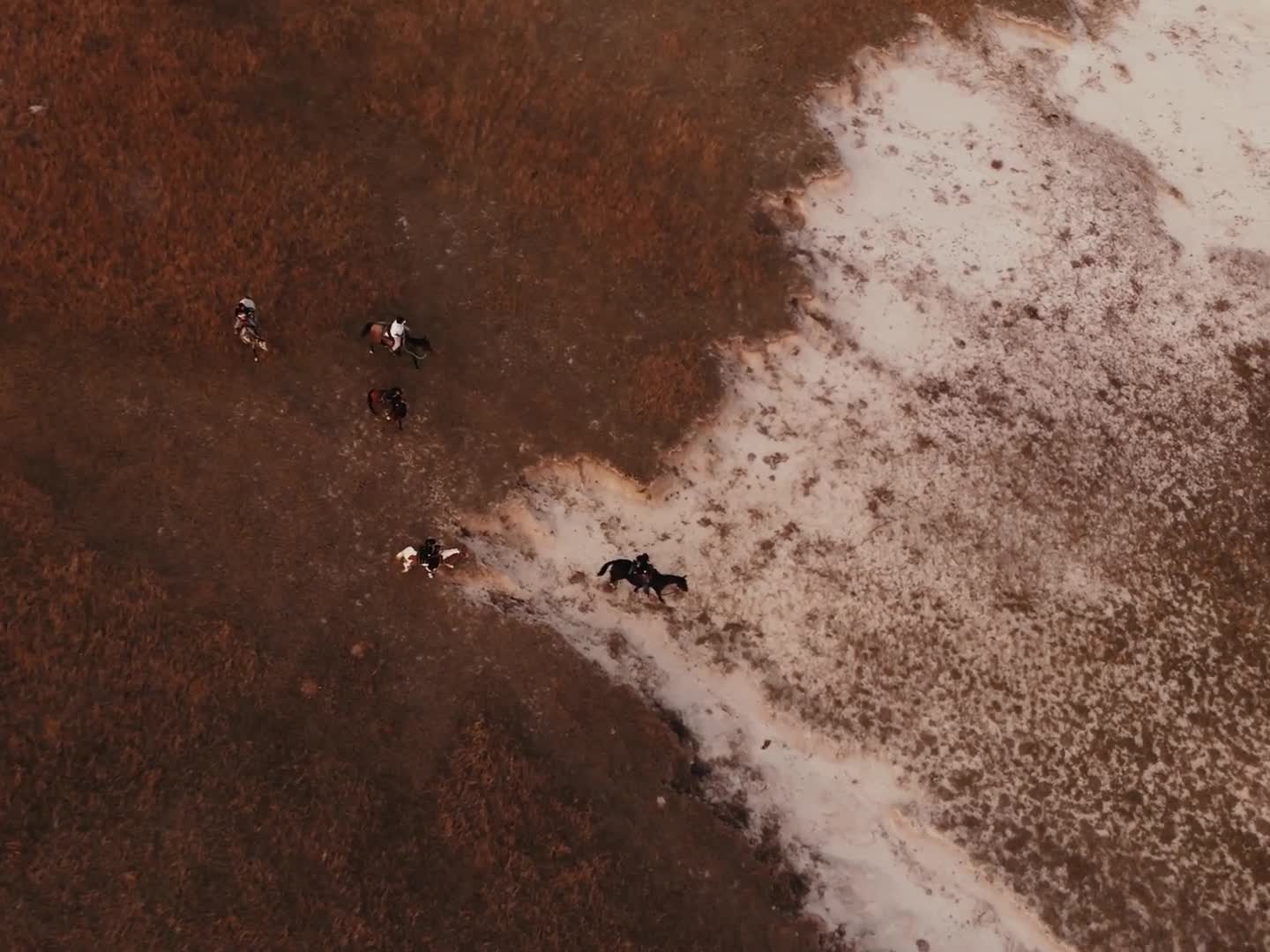
Landback surges as Indigenous justice's thunderclap—reclaiming stolen earth, mending colonial fractures of dispossession and genocide. It redistributes sovereignty's stolen breath: lands returned not as charity, but restitution, weaving reconciliation's fragile threads through restored waters, languages, and kinships. In this radical return, healing blooms from roots long severed, honoring ancestors' unyielding claim.
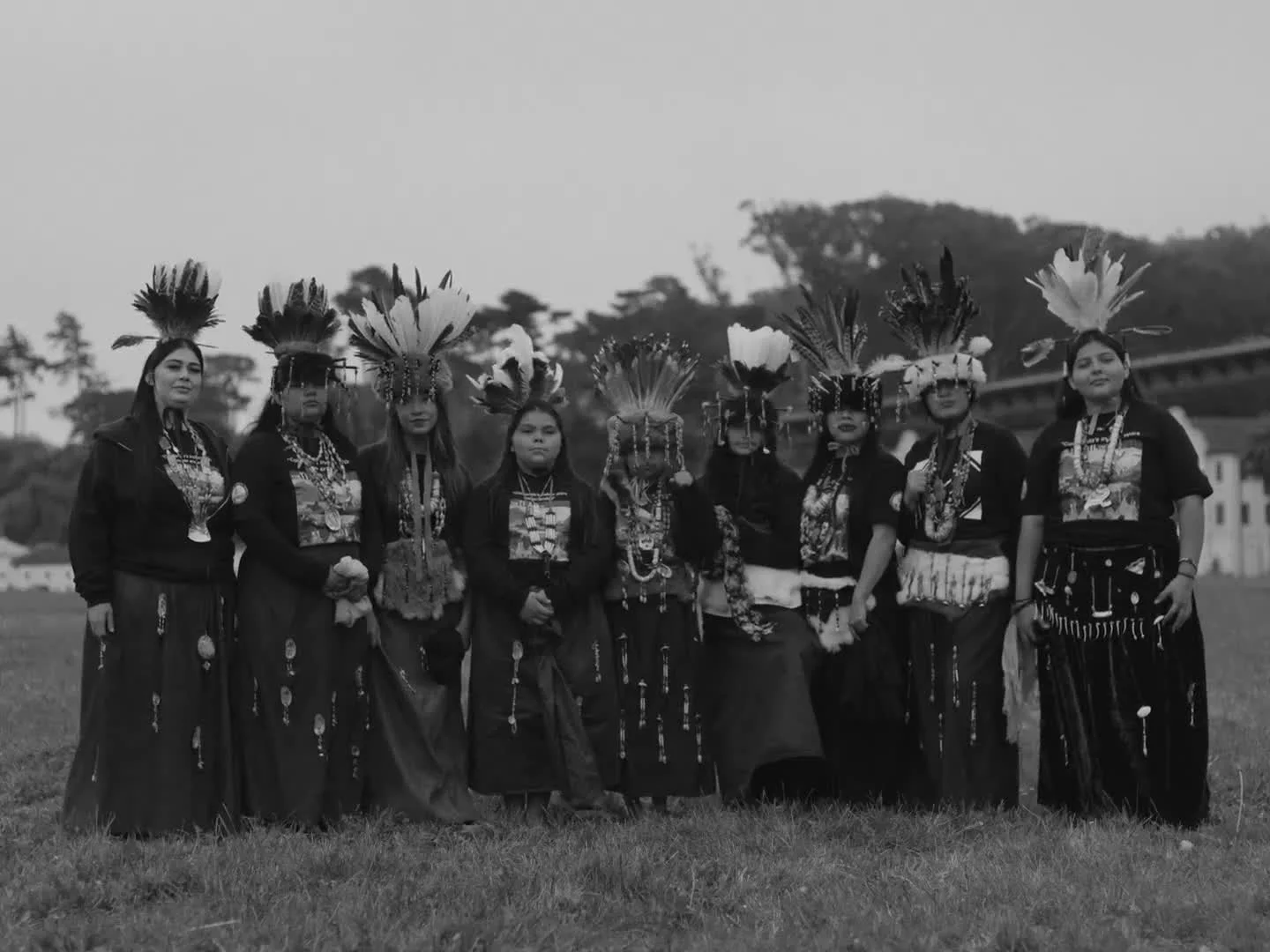
The Muwekma Ohlone, indigenous stewards of the San Francisco Bay for over 10,000 years, endured Spanish mission enslavement and Gold Rush-era genocidal bounties that decimated their communities. We demand repatriation of our ancestors' remains and the acknowledgement of our sovereignty.
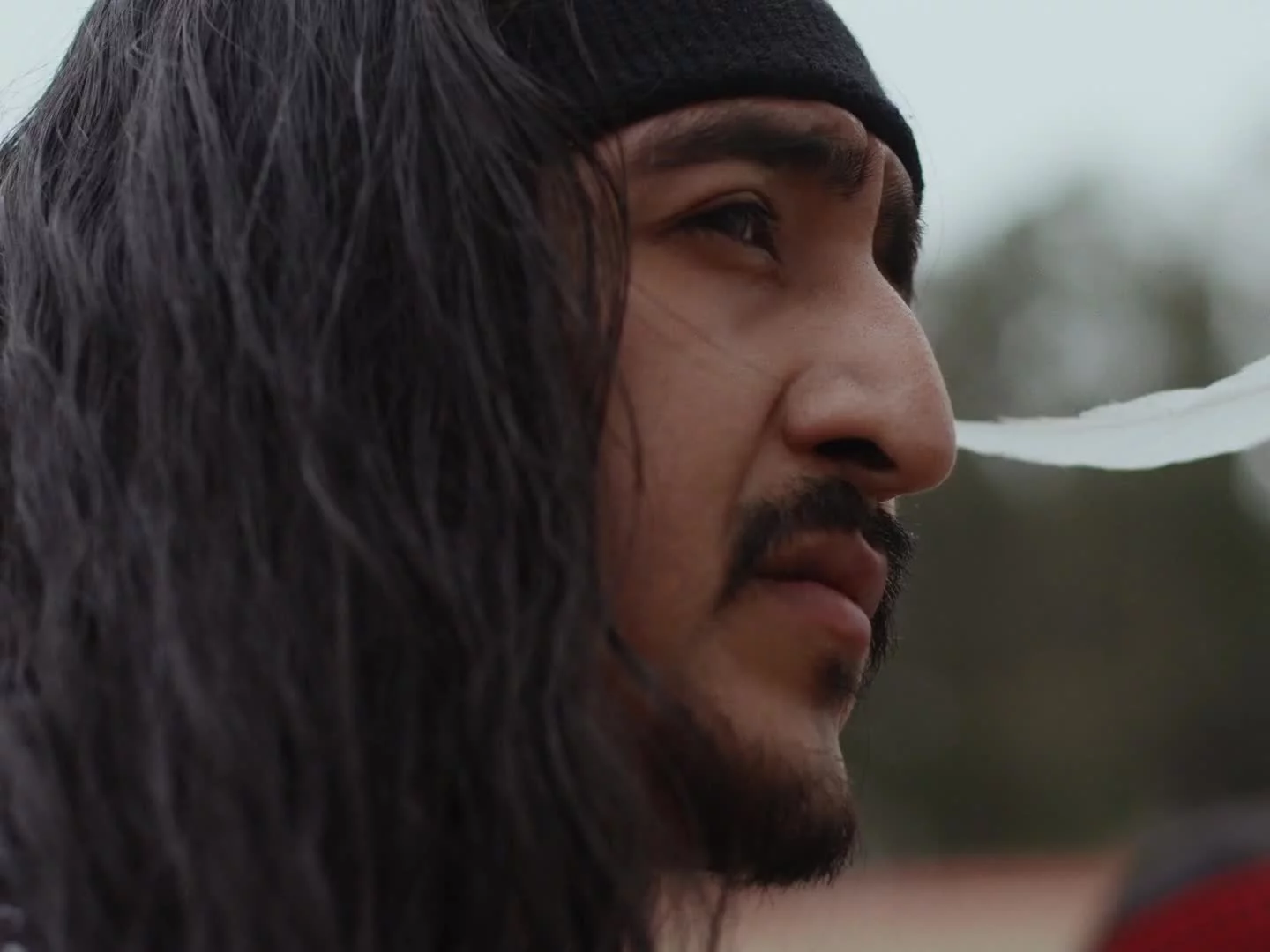
California's Indian Wars—sparked by Spanish missions' enslavement and Gold Rush bounties on scalps—endure in bureaucratic savagery. Federal non-recognition chains Muwekma Ohlone sovereignty; police batons crush Trail of Truth processions; ancestors rot in university vaults. Genocide's embers smolder, not extinguished, in systemic erasure's unyielding grip.
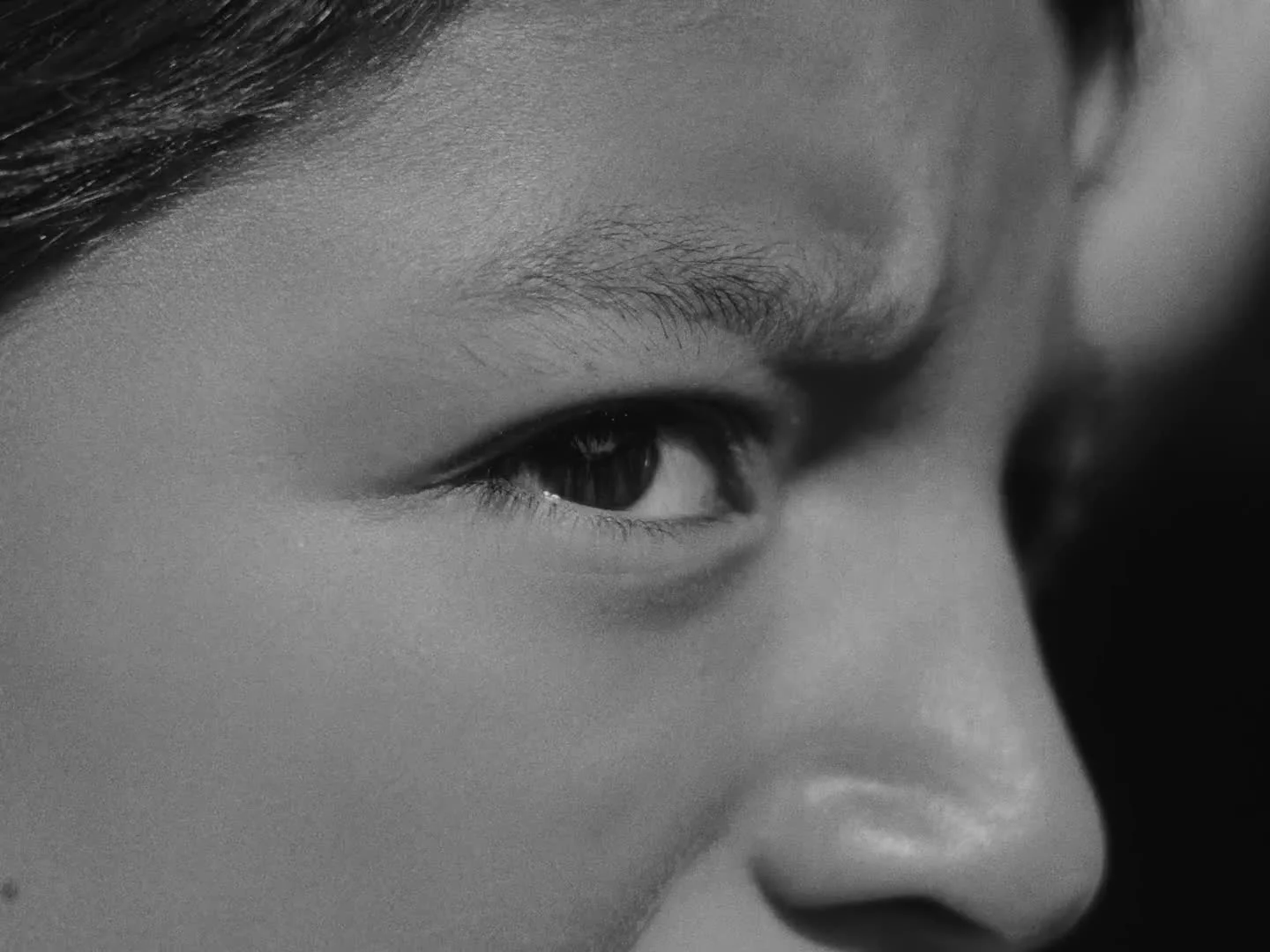
The Trail of Truth endures beyond its 90-day gallop—a living flame of Muwekma Ohlone resilience, igniting endless paths. From renewed horseback odysseys to digital dispatches, classroom reckonings, and allied marches, it morphs into myriad forms: prayers on pavements, stories in streams, sovereignty's unquenchable echo demanding federal reckoning.
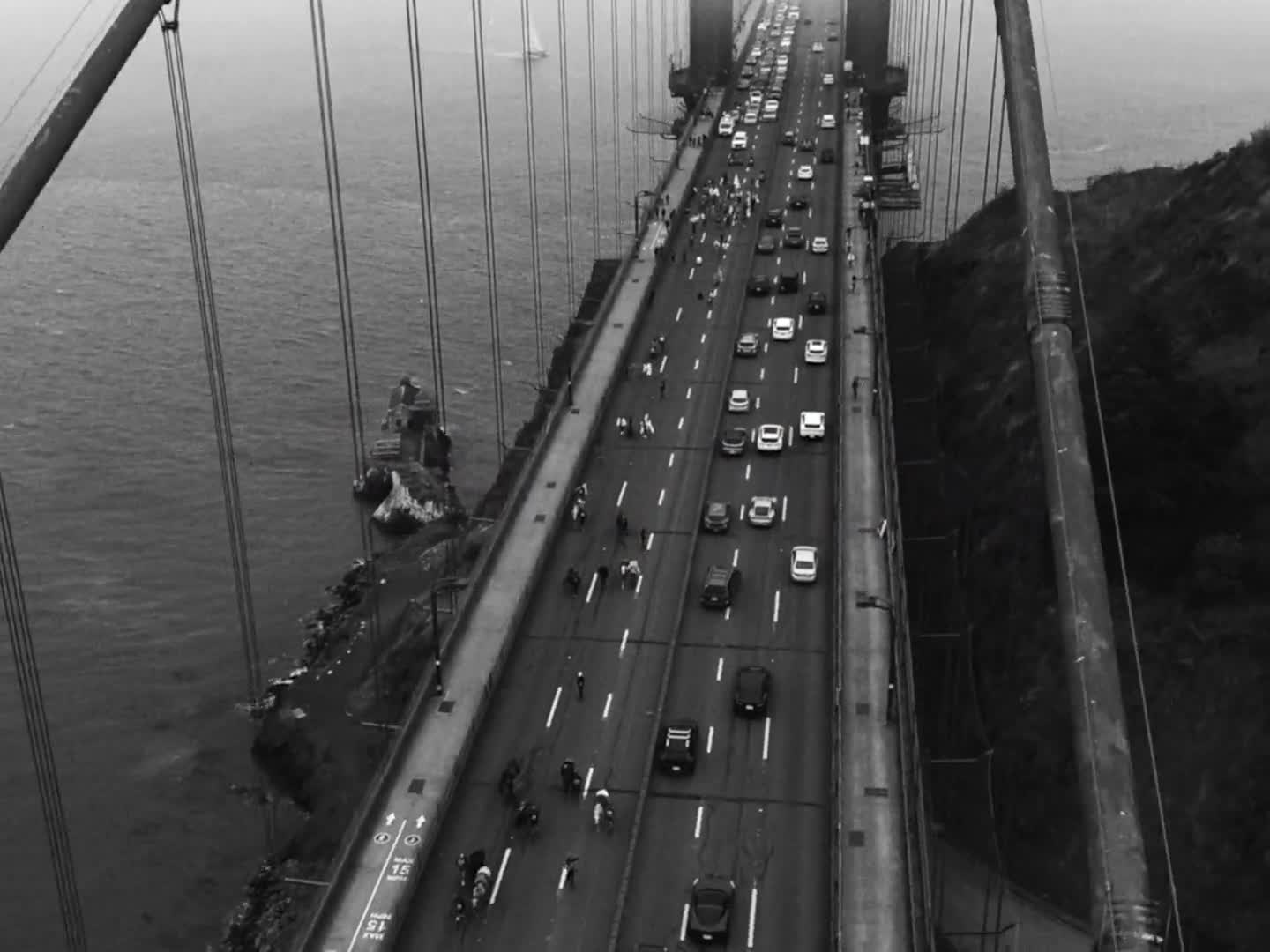
The Trail of Truth—a 90-day horseback odyssey from San Francisco to D.C.—catapulted Muwekma Ohlone's federal recognition plight into a national spotlight, igniting media scrutiny and bipartisan dialogues. Arrests by federal police amplified colonial ironies, forging pan-Indigenous alliances and educational curricula that dismantle BIA's bureaucratic barriers, breathing urgency into sovereignty's stalled quest.
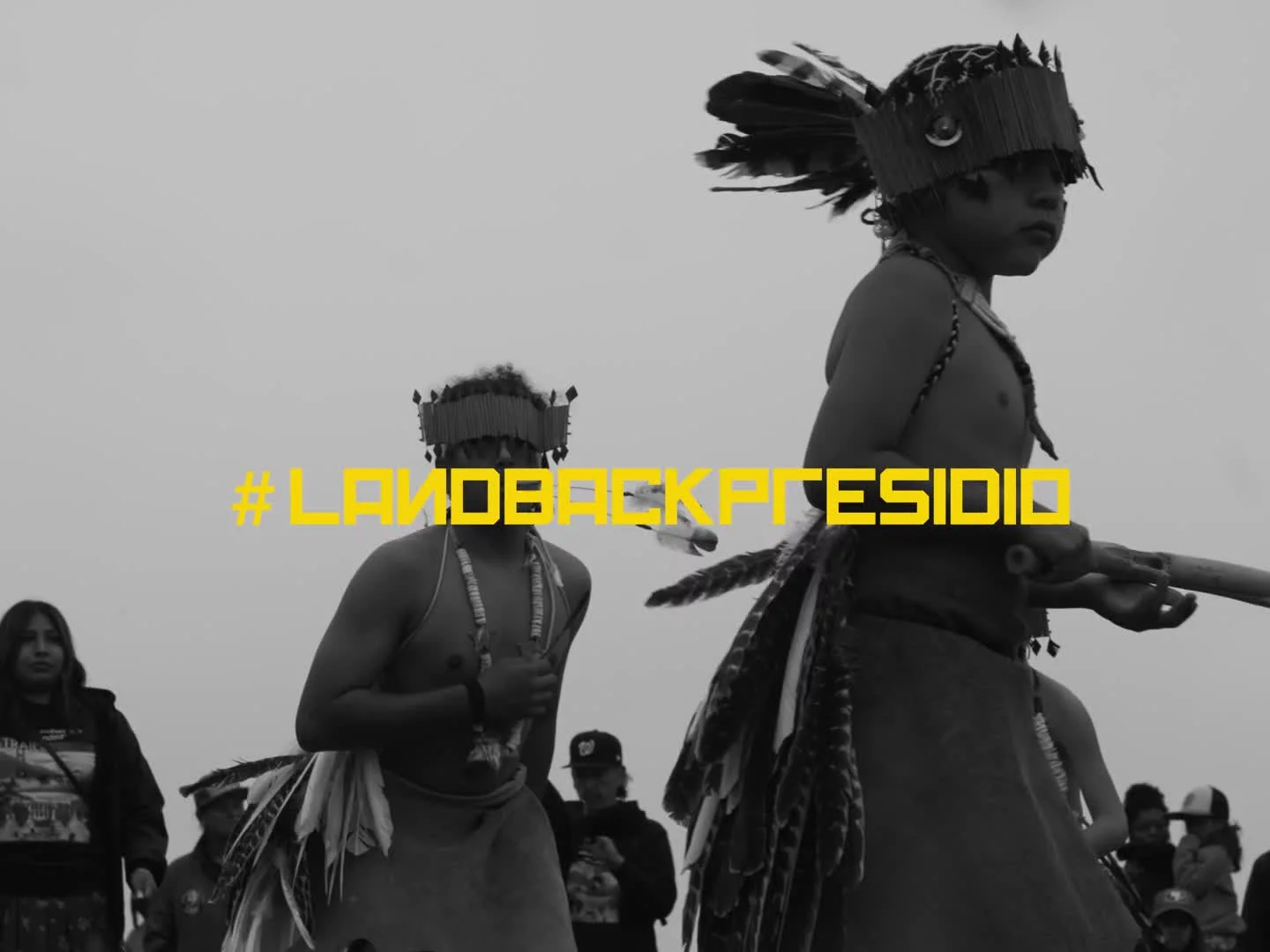
Rematriation of the Presidio would reclaim Muwekma Ohlone stewardship over ancestral San Francisco lands occupied for millennia, proclaiming it an Indian reservation—a profound reconciliation healing colonial scars. It fosters cultural revival, tourism-driven economic sovereignty, and reduced federal burdens, weaving tule-rooted futures amid fog-kissed shores long stolen yet eternally ours.
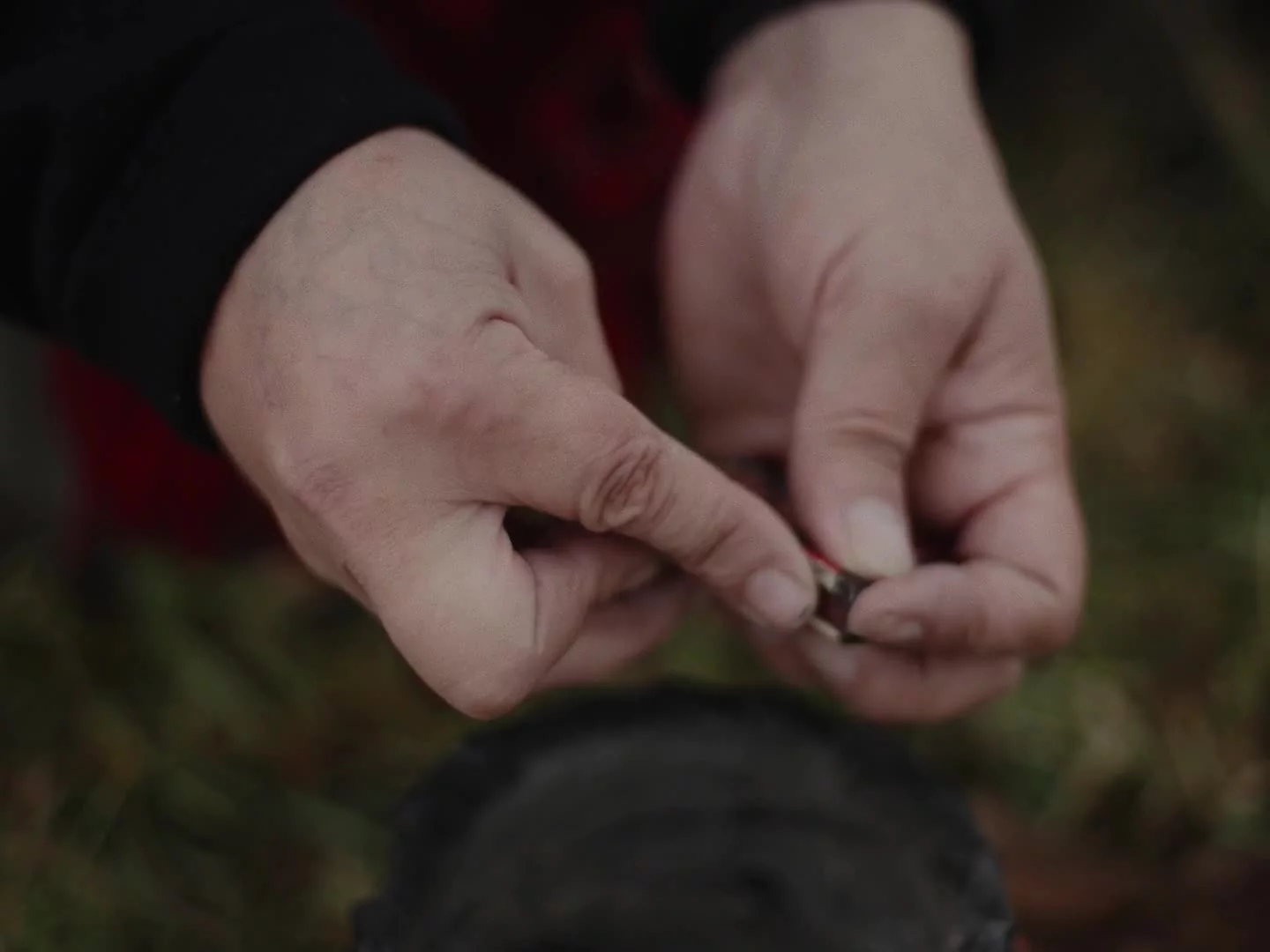
In March 2025, the Muwekma Ohlone Tribe asked President Donald J. Trump to repatriate the Presidio of San Francisco—ancestral lands occupied for millennia—proclaiming it an Indian reservation under aboriginal title. This bold act of reconciliation demands healing from colonial dispossession, slamming past congressional denials by Pelosi and Feinstein, igniting sovereignty's resurgence amid fog-veiled shores.
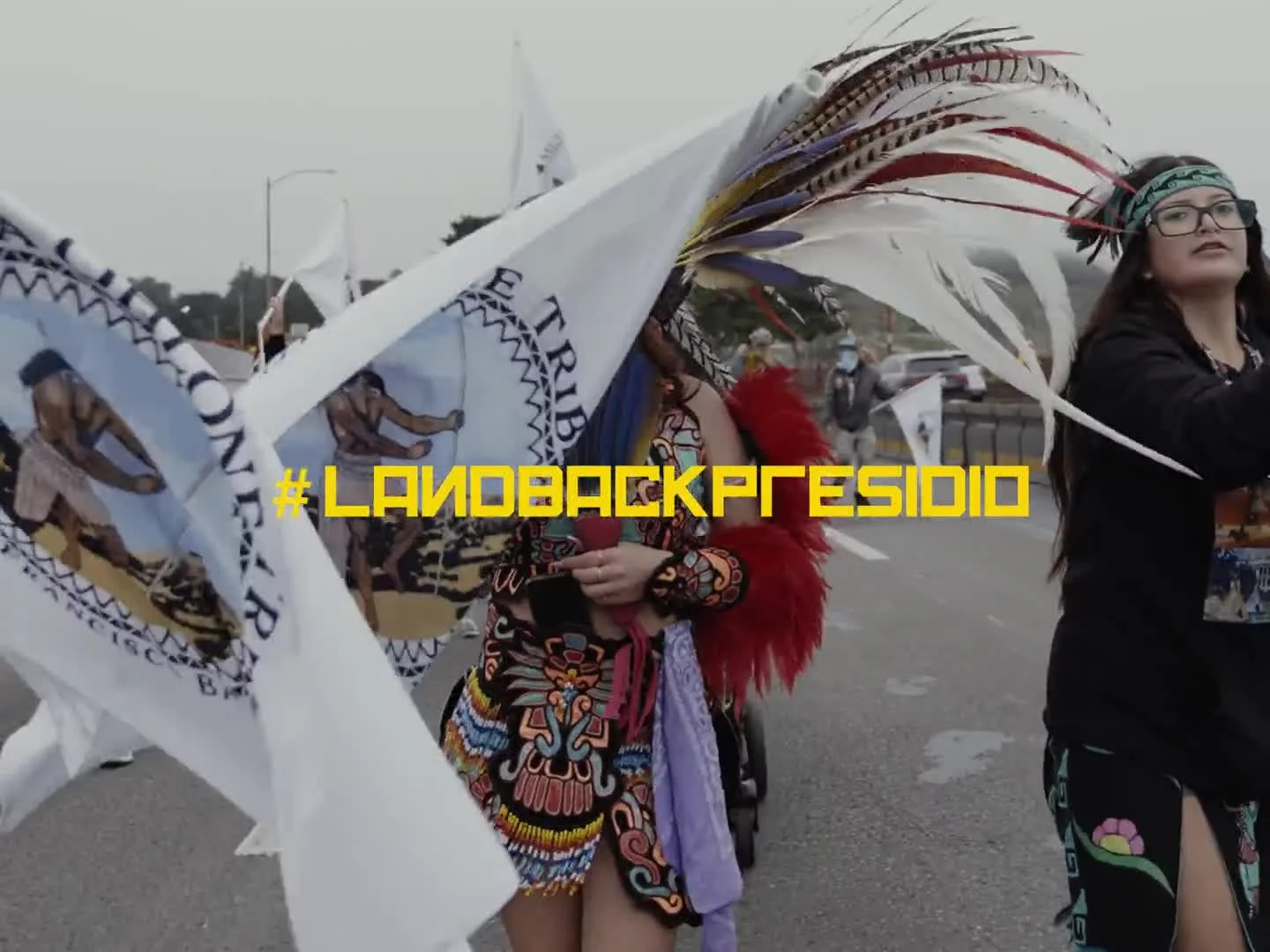
Rematriating the Presidio to the Muwekma Ohlone Tribe would restore stewardship of their ancestral San Francisco homelands, occupied for over 10,000 years, healing centuries of colonial dispossession from Spanish missions to U.S. military forts. It enables cultural revitalization, economic self-determination through tourism, and federal recognition—transforming a symbol of conquest into one of Indigenous sovereignty and reconciliation.
