
The Ridge Listens
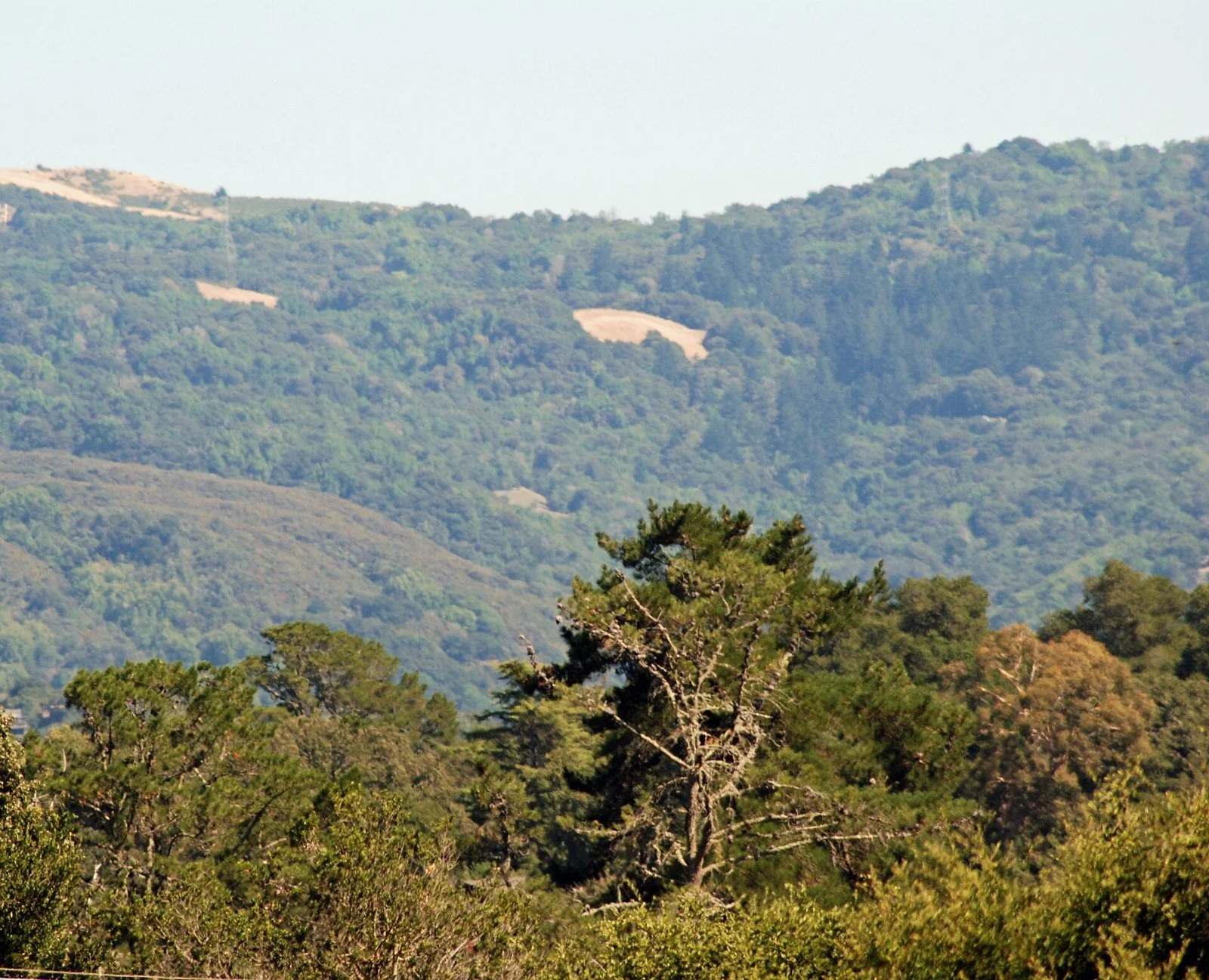
Looking southeast from ’Ootchamin ’Ooyakma (Jasper Ridge Biological Preserve) toward the upper San Francisquito Creek watershed and the Santa Cruz Mountains. Photo: Schmiebel / Wikimedia Commons, CC BY-SA 3.0
Last November, a Stanford field station handed its podium to the people whose land it sits on. On two Tuesday nights, the Muwekma Ohlone Tribe’s chairwoman told the story of the Trail of Truth, and its language keeper taught a room full of people to say hello in Chochenyo.
Jasper Ridge Biological Preserve sits in the eastern foothills of the Santa Cruz Mountains, just over Sand Hill Road from the venture firms. For half a century, Stanford has used its oak woodland, chaparral and serpentine grassland as an outdoor laboratory. In Chochenyo, the language of the East Bay Ohlone, the place is ’Ootchamin ’Ooyakma: red ridge.
Every academic year the preserve runs a public lecture series. Its speakers are mostly scientists, and its subjects are things like pumas, grasses and the microbes in flower nectar. In the fall of 2025, the preserve did something different. It opened the season with two women from the Muwekma Ohlone Tribe of the San Francisco Bay Area and gave them the room.
The Trail of Truth, Told at Home
On Nov. 11, 2025, more than 120 people came to hear Chairwoman Charlene Nijmeh. According to the account the preserve’s staff later published, the audience was “a broad spectrum of students, faculty, researchers, docents, staff, alumni, and many from across the Bay Area.”
Tadashi Fukami, the preserve’s faculty director, opened the evening by reading a message from Stanford President Jon Levin. The preserve wrote that the message recognized the chairwoman’s leadership and her championing of the long partnership between the university and the Tribe. Michael Wilcox, a senior lecturer in Stanford’s Center for Comparative Studies in Race and Ethnicity, introduced her. In the preserve’s summary, he told the audience that Stanford has a lot to learn from the Muwekma Ohlone and other Indigenous communities, whose stewardship of the Bay Area spans millennia.
Her talk was called “The Trail of Truth Continues.” In 2024, Muwekma riders left San Francisco on horseback and carried the Tribe’s case for restored federal recognition across the country to Washington, D.C. Nijmeh told the story of that journey and what it was for: reclaiming the recognition the United States once extended to the Tribe as the Verona Band of Alameda County, preserving its culture, and honoring the resilience of its people.
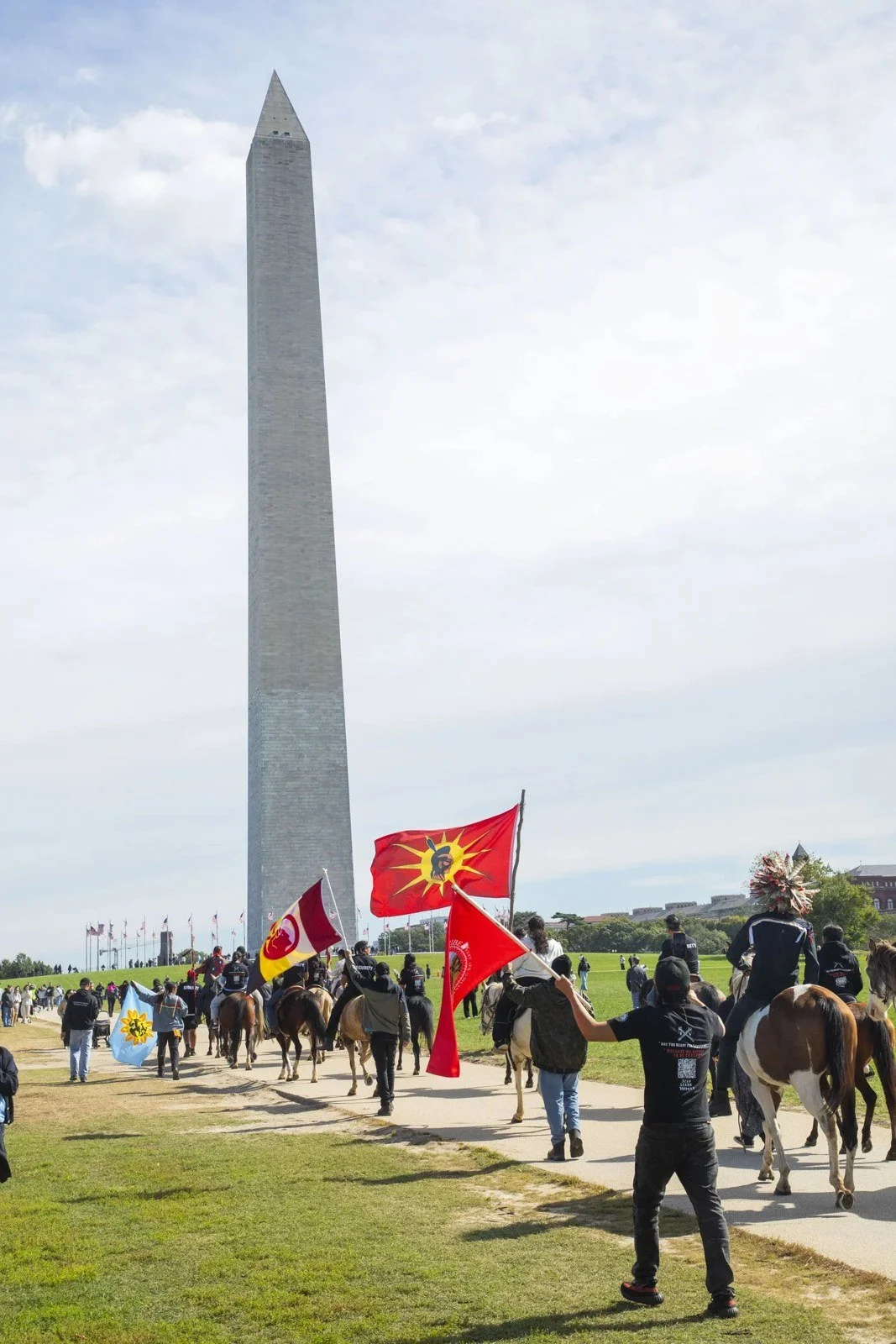
Trail of Truth riders and walkers carry Muwekma flags near the Washington Monument, October 2024. Chairwoman Nijmeh’s lecture told the story of the journey. Photo: Muwekma Ohlone Preservation Foundation
Then came the questions, and many of them were not really questions. The preserve’s write-up describes “numerous questions and messages of support from community members, including Indigenous students.” Other tribal members, invited by the chairwoman, joined the conversation from the audience.
The recording is now online. The preserve advises viewer discretion for about a minute of footage, around the 29-minute mark, that shows violence. It comes from the Trail of Truth’s arrival in Washington in October 2024.
A Language Reawakened
One week later, on Nov. 18, Bernadette Quiroz took the same podium. Quiroz is the Tribe’s Language Revitalization Chair and the executive director of Muwekma Archaeological Services. Her talk was titled “Chochenyo: A Language Reawakened.”
She did not start with grammar. She started with the land. Quiroz described the biodiversity of the Bay Area before European contact, and the role and responsibility the ancestral Muwekma Ohlone held within it. Then she traced Chochenyo itself: its geography, the languages around it, and how it was documented after contact. That documentation includes old sound recordings. The preserve’s writers described them as “low, guttural sounds that evoke the ocean and natural setting of her people.”
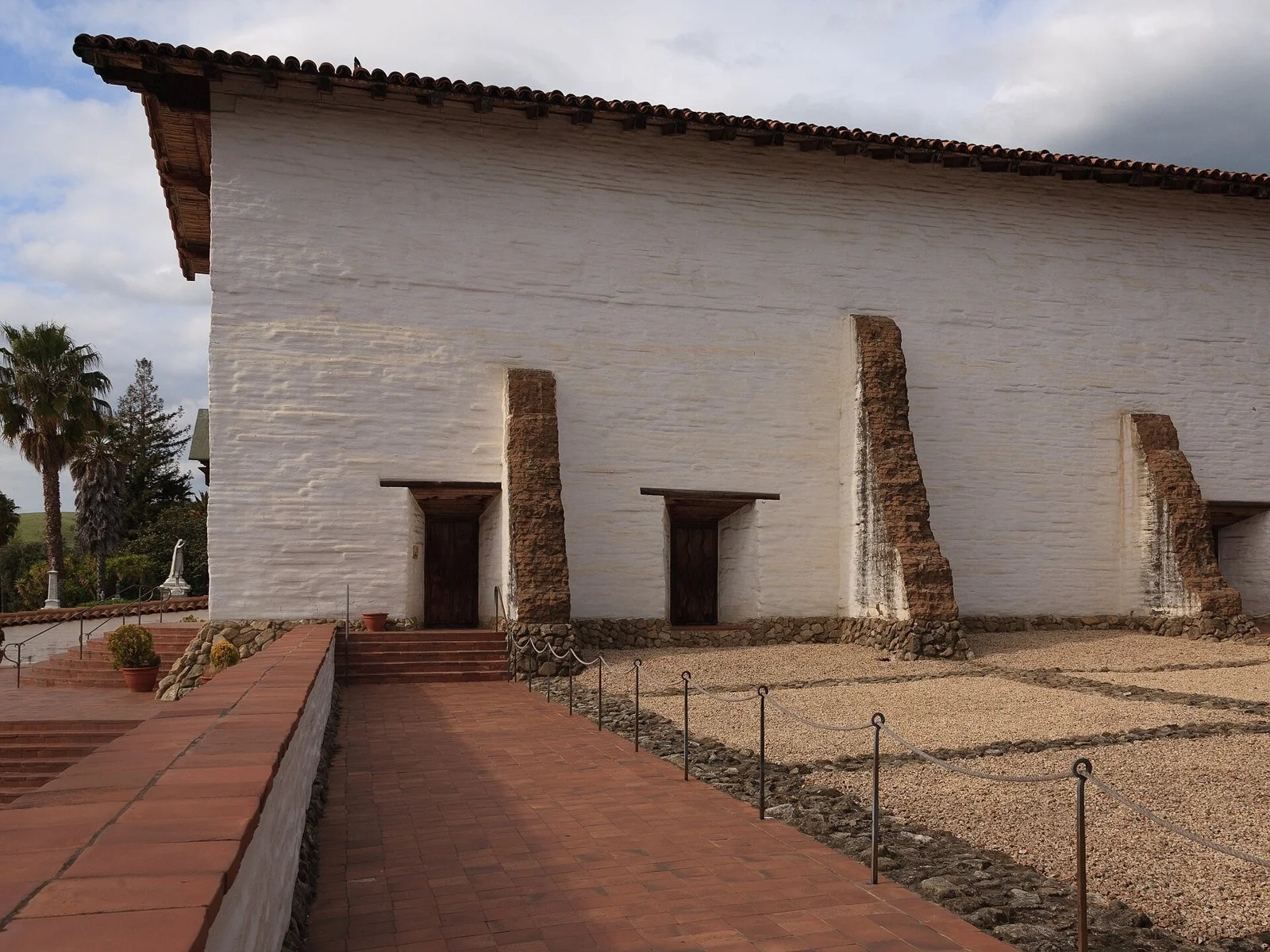
Mission San José in Fremont. Many Chochenyo-speaking ancestors of today’s Muwekma families were baptized there. Photo: King of Hearts / Wikimedia Commons, CC BY-SA 4.0
Quiroz’s family line runs through that history. According to her Santa Clara University biography, her great-grandmother Dolores Sanchez was born on the Sunol Rancheria in 1911 and baptized at Mission San José. Today Quiroz builds the tools that let tribal members hear and speak their language again: online modules, activities and workbooks. Then, in a Stanford lecture room, she taught a roomful of listeners the Chochenyo greetings and walked them through the pronunciation.
In the Q&A, she came back to the point Nijmeh had made the week before. According to the preserve, Quiroz said that much of the Tribe’s material culture, including language recordings, is held at UC Berkeley and is currently out of the Tribe’s reach. Federal recognition, and the access that comes with it, would greatly advance the Tribe’s cultural and language work.
Two Ways of Seeing
The preserve framed the two evenings as part of a commitment it calls “two-eyed seeing.” The concept comes from the Mi’kmaw Elders Murdena and Albert Marshall, and it treats Indigenous and Western science as two ways of knowing that work together. In its write-up, the preserve argued that as an urban preserve, ’Ootchamin ’Ooyakma “is positioned to make a unique contribution to new ways of balancing numerous human demands towards stewardship of the land via two-eyed seeing.”
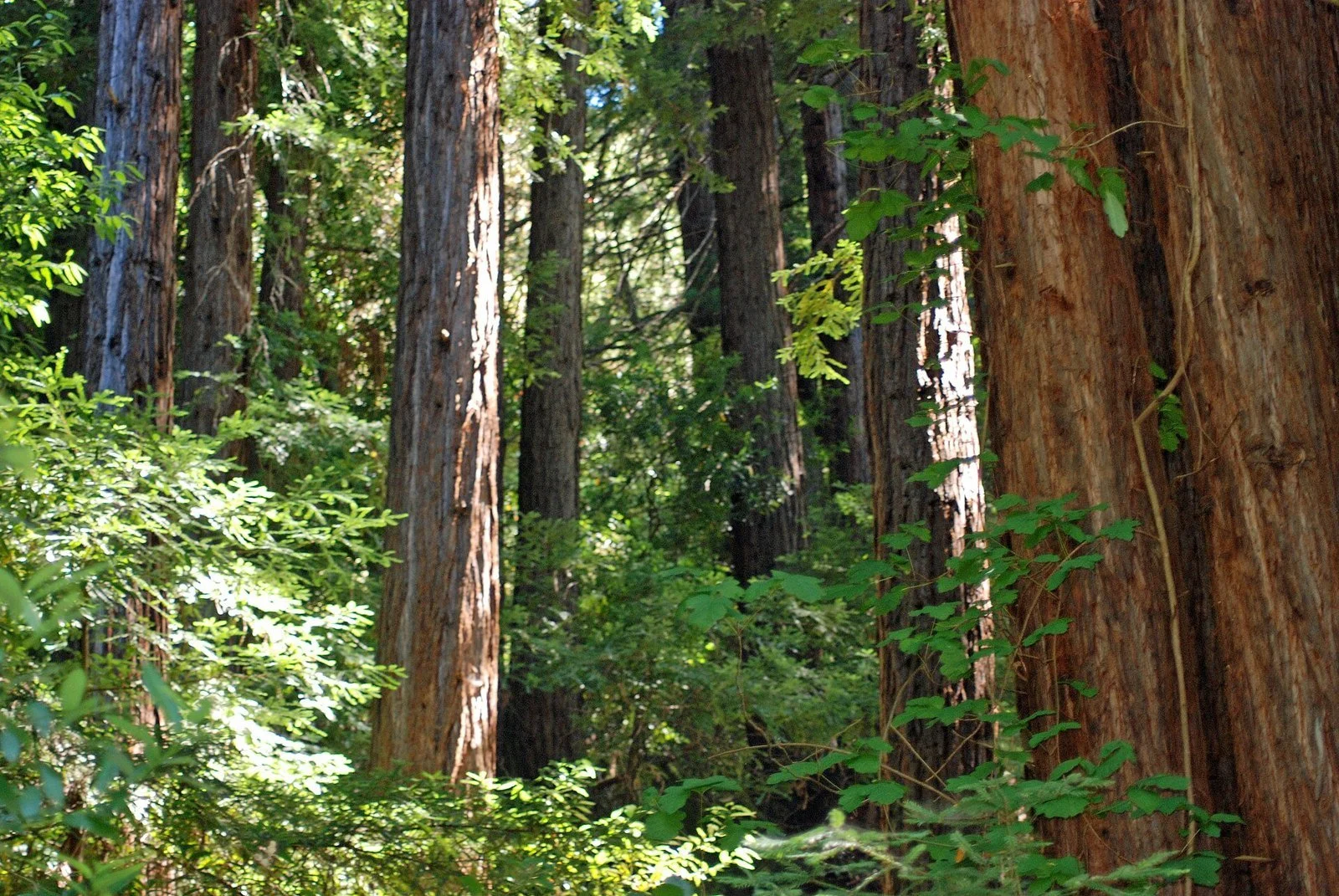
Coast redwoods above San Francisquito Creek inside Jasper Ridge Biological Preserve. Photo: Schmiebel / Wikimedia Commons, CC BY-SA 3.0
The season kept to that theme. On Jan. 14, 2026, Wilcox gave his own lecture at the preserve’s Sun Field Station: “Cultural and Natural Landscapes of the Muwekma Ohlone Tribe: Reclaiming Indigenous History in the San Francisco Bay Area.” On Feb. 18, Deborah Sivas of Stanford Law School, who leads its Environmental Law Clinic, spoke on “Tribal Land Stewardship: Opportunities and Challenges.” On March 11, the Santa Clara University anthropologist Lee Panich presented “From Land Grants to Land Grab,” about how Ohlone lands in the South Bay were taken in the years just before statehood.
By then the preserve and the Tribe had done more than talk. In January 2026, Muwekma leaders lit the Tribe’s first cultural burn in nearly a century and a half on the preserve’s land. Our first Newsletter feature, “The Fire Comes Back to the Ridge,” tells that story. In September, the Organization of Biological Field Stations gave Jasper Ridge its 2026 Advancing Equity Award, citing its youth exchanges, cultural burning work and public programs with the Tribe. One member of the review committee summed up the partnership in a line the preserve published: “This is what a land acknowledgement should be: a whole program.”
“This is what a land acknowledgement should be: a whole program.” —OBFS award committee member, on Jasper Ridge’s partnership with the Muwekma Ohlone Tribe
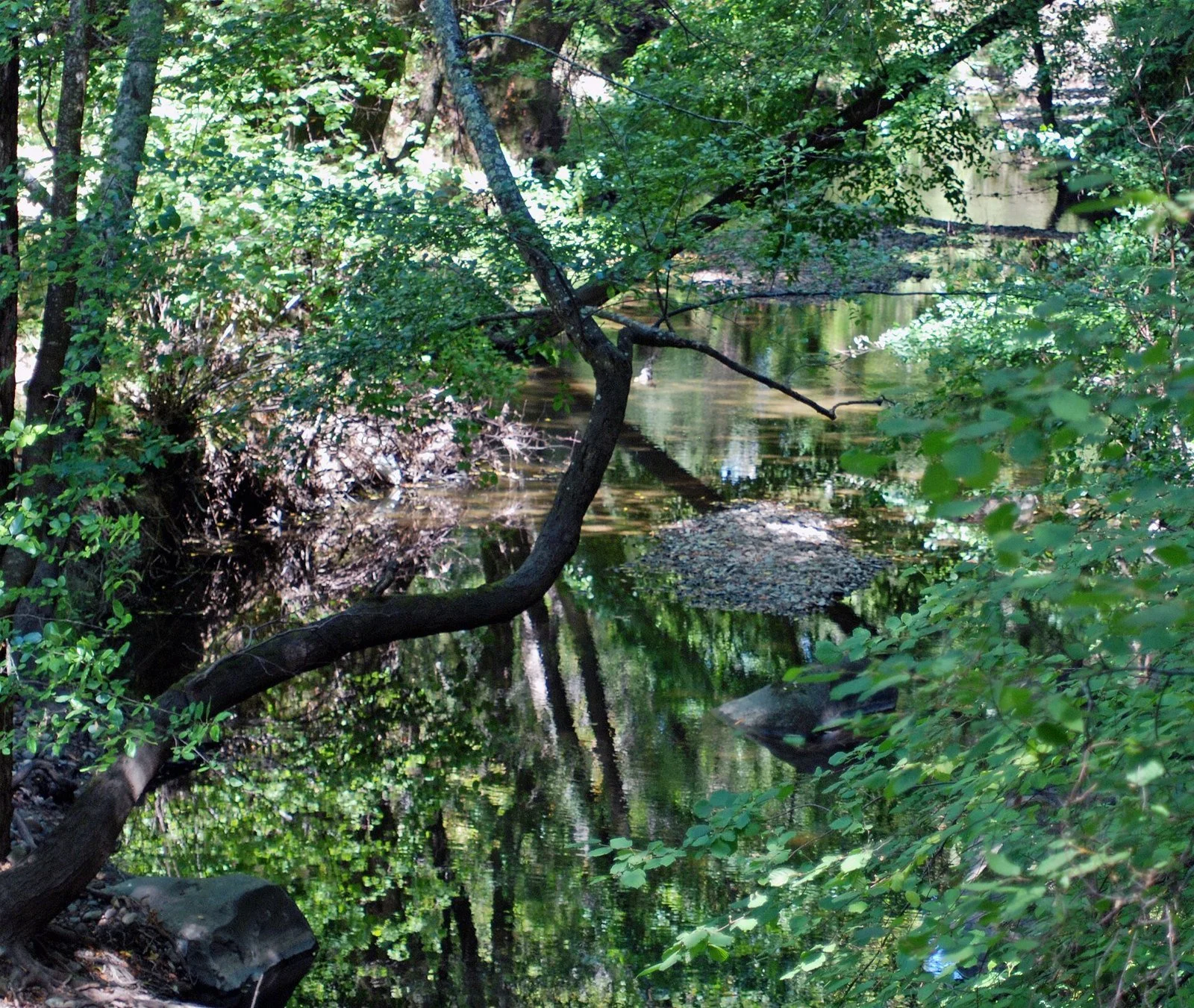
Corte Madera Creek, a headwater of San Francisquito Creek, runs through the preserve in midsummer. Photo: Schmiebel / Wikimedia Commons, CC BY-SA 3.0
The fall talks are where that program found its voice. A chairwoman told the story of a ride across a continent to people who live along its first few miles. A language teacher had Stanford saying hello in the oldest language spoken on that ridge. Both recordings, with captions, are on the preserve’s website. They are worth an evening.
Watch: “The Trail of Truth Continues” (Charlene Nijmeh, Nov. 11, 2025) and “Chochenyo: A Language Reawakened” (Bernadette Quiroz, Nov. 18, 2025) are on the Jasper Ridge Biological Preserve’s Past Lecture Series page.
Editor’s note: Charlene Nijmeh is president of the Muwekma Ohlone Preservation Foundation, which publishes this newsletter, and Bernadette Quiroz is a member of its board. Accounts of the lectures come from the preserve’s published summaries by Katie Glover and Tadashi Fukami (Jan. 7 and June 1, 2026), which the Foundation has also posted. All quotations come from published sources listed in the source notes.