
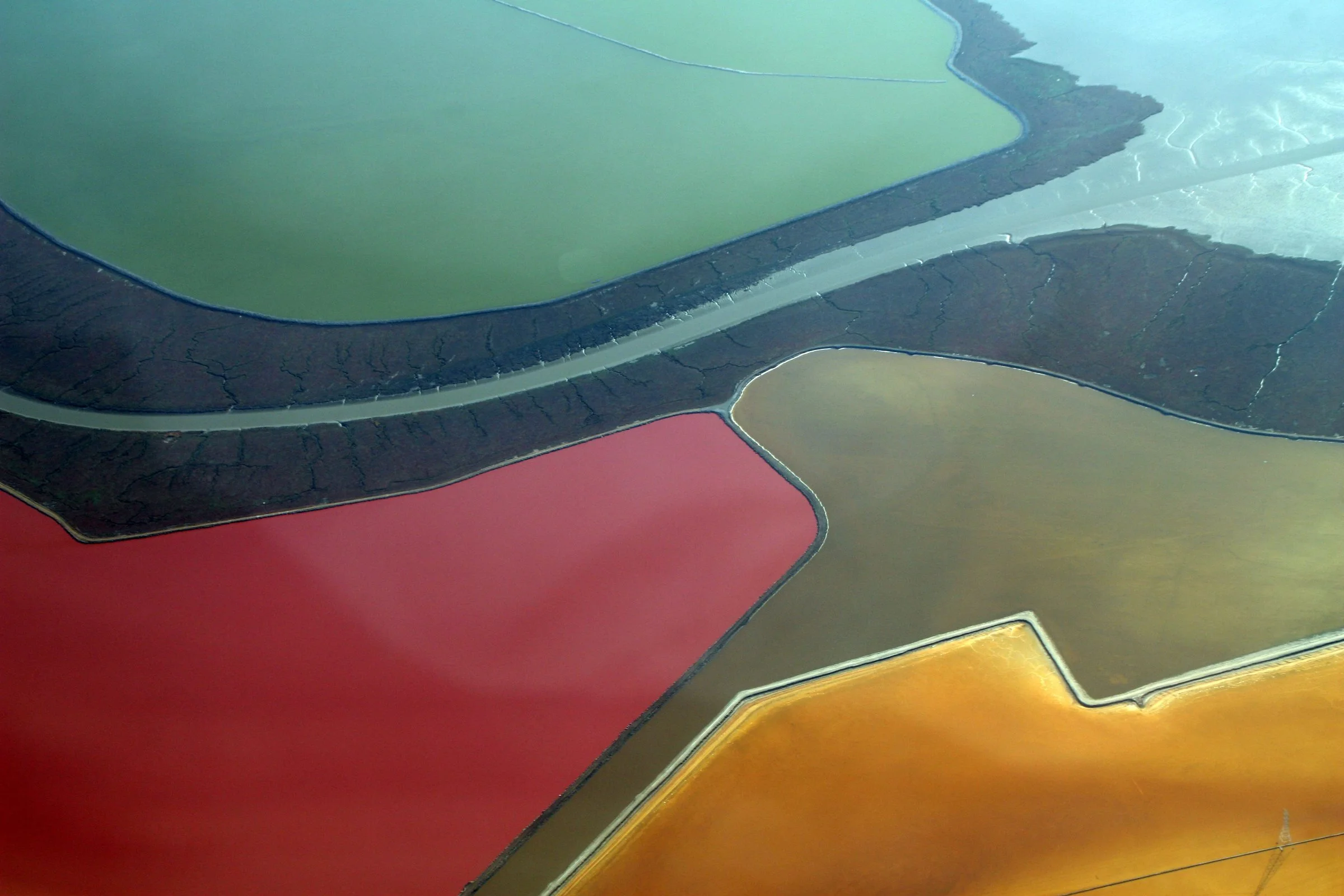
Letting the Bay Back In
Under a new state law, every city and county on San Francisco Bay must have a plan for rising water by 2034. Along the South Bay, levees are being opened and former salt ponds are turning back into tidal marsh. We look at the deadline, the science, and the older shoreline of the Muwekma Ohlone homeland underneath it all.
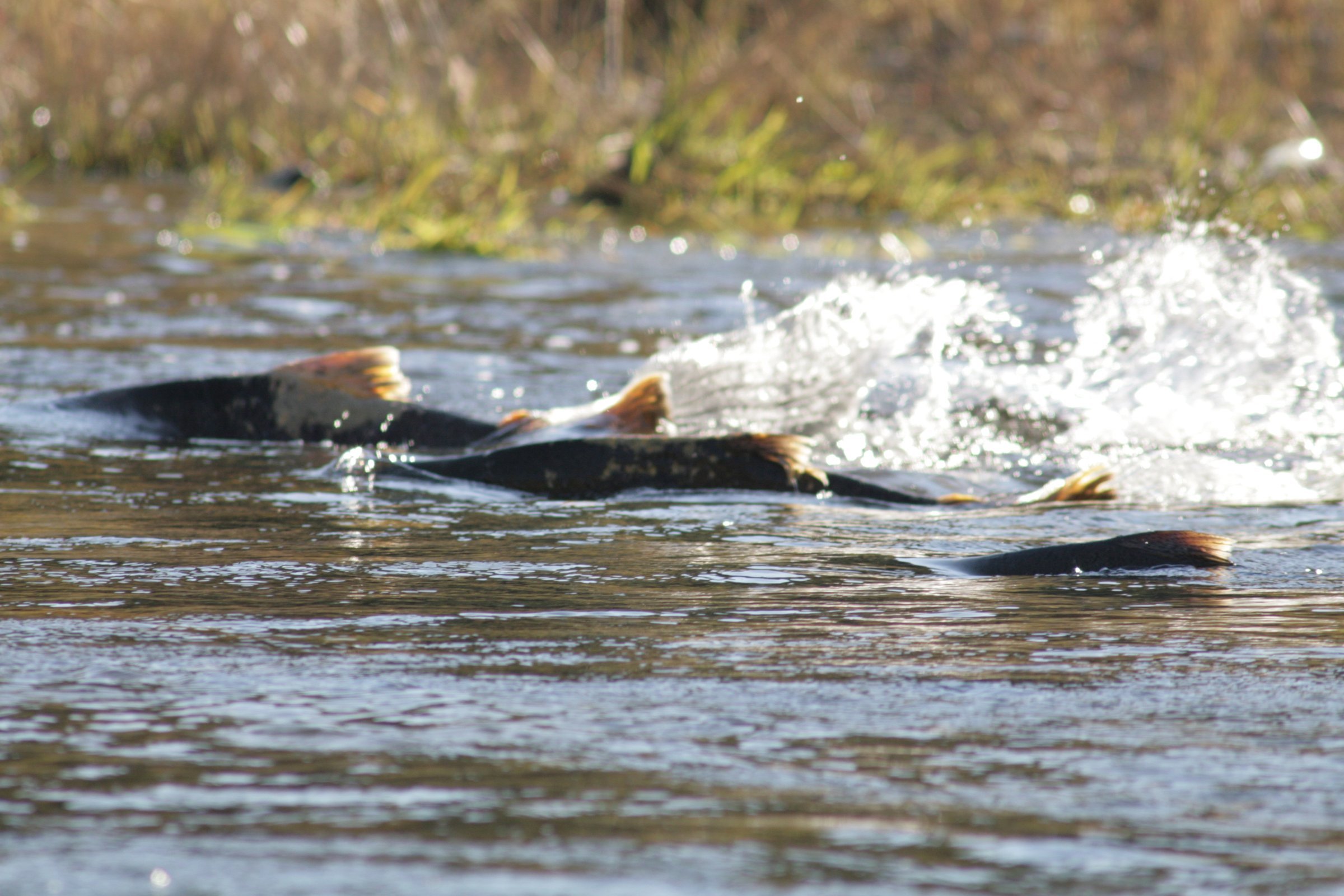
The Creek That Waited
Days after the last barrier on Alameda Creek came out, Chinook salmon swam into the Sunol Valley for the first time since the 1950s. As the fall run nears and the first Bay Area Steelhead Summit convenes, we look at what it will take for the fish to stay, in a creek that runs through Muwekma Ohlone homeland.

A Year of Being Seen
In twelve months, the Muwekma Ohlone Tribe raised its flag at San José City Hall, lit its first cultural burn in nearly 150 years, won state funding to buy about 154 acres of its homeland, and testified at the Capitol. Here is the year, month by month.

The Fire Comes Back to the Ridge
In January, on a Stanford preserve in the Santa Cruz foothills, the Muwekma Ohlone Tribe lit its first cultural burn in nearly a century and a half. Nine months later, the science is in print, and California is still deciding who gets to carry the fire.

Gathering Together at Dawn
Before sunrise on Indigenous Peoples’ Day, Muwekma dancers and singers gathered in front of the Mission Church at Santa Clara University. The day, ÓTTÓY RÓOTE HUŠÍŠTAK, opened the mission’s 250th-anniversary year by starting with the time before the mission.

One Hundred Fifty Acres
For generations, the first people of the Bay Area held no land of their own in their homeland. In August 2026, that changed. The Tribe announced that about 150 acres of grassland in the hills above East San José had come home.

We’re Not Going Anywhere
In Sacramento last August, state auditors told lawmakers the University of California could take until 2089 to return what it holds. Then the Muwekma Ohlone chairwoman stood up with the next generation behind her and told them what it would take.